
About Earthbound Expeditions
Who is Earthbound Expeditions?
A licensed and registered trekking and tour company in Kathmandu, founded in 1999 by trek guide Rajan Simkhada. We run treks, climbs, tours, retreats and pilgrimages in Nepal, Tibet, Bhutan, India and beyond.
Where are you based?
Our office is in Thamel, Kathmandu. Our guides and staff come from the regions we trek in.
Do you offer tailor-made trips?
Yes. Any trek, tour, retreat or pilgrimage can be changed to suit your dates and interests, or planned from scratch. See tailor-made trips.
Do you support local communities?
Yes. We employ local staff, buy local produce, and have helped build more than 150 classrooms and four libraries. See our community work.
Where can I read reviews?
On Tripadvisor, and in the reviews on our trip pages.
How do I contact you?
Through the contact form, by email, or on WhatsApp.
Trekking in Nepal
What is a teahouse trek?
A trek where you sleep and eat in lodges along the trail, many of them family homes turned into guest houses. Rooms are simple and clean, usually with shared bathrooms, and hot showers depend on solar heating. Most of Nepal's popular treks, including Everest, Annapurna, Langtang, Manaslu and Mustang, are now lodge to lodge; only remote areas need camping.
What is included in a trekking package?
Usually airport transfers, hotels in Kathmandu, permits, a licensed guide, porters, meals and lodges on the trek. Each trip page lists exactly what is and is not included.
Are the guides licensed?
Yes. Our guides are licensed by the Government of Nepal and trained in first aid and altitude sickness.
Are treks suitable for beginners?
Many are. Choose a shorter or lower trek, and every high-altitude itinerary includes acclimatisation days. Each trip page shows its grade.
Who carries the bags?
A porter carries your main bag from lodge to lodge, the same porter for the whole trek. You carry a day pack with water, sun cream, a jacket and your camera. Extra luggage can be left at your hotel in Kathmandu or Pokhara.
What food is there on the trail?
Lodges serve dal bhat (rice, lentils and curry), bread, noodles, pasta, porridge, eggs, soups, tea and coffee. Vegetarian meals are easy; tell us about any other diet when you book.
Is the water safe to drink?
Not from the tap. Bring a bottle and use purifying tablets or a filter, or buy boiled or filtered water at lodges. Please avoid bottled water; it adds to the rubbish on the trail.
What is a normal trekking day?
Breakfast around 7:00, walking by 7:30, lunch at a teahouse around 11:00, and at the next lodge by mid-afternoon, with plenty of stops on the way.
Can I trek on my own with you?
Yes. Solo travellers can join a group departure or take a private trip.
What should I pack?
Each trip page has a packing list. Much trekking gear can be bought or hired cheaply in Kathmandu, and on many treks we lend a sleeping bag and down jacket free of charge.
Planning your trip
When is the best time to go?
Autumn (late September to December) and spring (March to May) are the main trekking seasons. Nepal can be visited all year, and each trip page shows the weather month by month. Tibet is best from April to October.
How far ahead should I book?
Two to four months ahead for the peak seasons, when flights to Lukla and lodges on popular routes fill up.
How do I get to Nepal?
Kathmandu's Tribhuvan International Airport has flights through Delhi, Doha, Dubai, Istanbul, Bangkok, Kuala Lumpur, Singapore and several Chinese cities. We can help with flights if needed, and book extra nights, transfers and activities before or after your trip.
Can I get a visa on arrival?
Most nationalities can get a Nepal visa on arrival. If you are also visiting India, Bhutan or Tibet, a multiple-entry visa may be useful.
Do I need travel insurance?
Yes. It must cover trekking at your trip's altitude, medical care and helicopter evacuation.
Do I need vaccinations?
None are required to enter Nepal. Ask your doctor about routine travel vaccinations. Malaria tablets are not needed for treks, only possibly for the southern lowlands in the hot months.
Is Nepal safe?
Nepal is a friendly country and safe to travel in. In the mountains, the main risks are walking alone and climbing too fast; our itineraries are built to avoid both.
How does tipping work?
Tips are customary but not compulsory. Each trip page suggests a usual amount for the team. Restaurants and hotels already add a 10% service charge.
Can I combine Nepal with other countries?
Yes. We combine Nepal with Tibet, Bhutan, India and Sri Lanka, and arrange trips further afield on request.
Tours, luxury trips and retreats
What does a luxury trip include?
The best hotels and lodges available, private transport and domestic flights, a private guide, and full board. On the Everest and Annapurna treks you can upgrade to comfortable lodges such as Mountain Lodges of Nepal.
Do you run tours in Bhutan?
Yes, guided tours for private groups and small groups.
Do you run yoga retreats?
Yes, in the Kathmandu Valley and in foothill lodges, for beginners and experienced practitioners, and combined with trekking if you like.
Do you arrange corporate and group travel?
Yes, including incentive trips and wellness programmes. See partner with us.
Kailash and pilgrimage tours
Which pilgrimage sites do you visit?
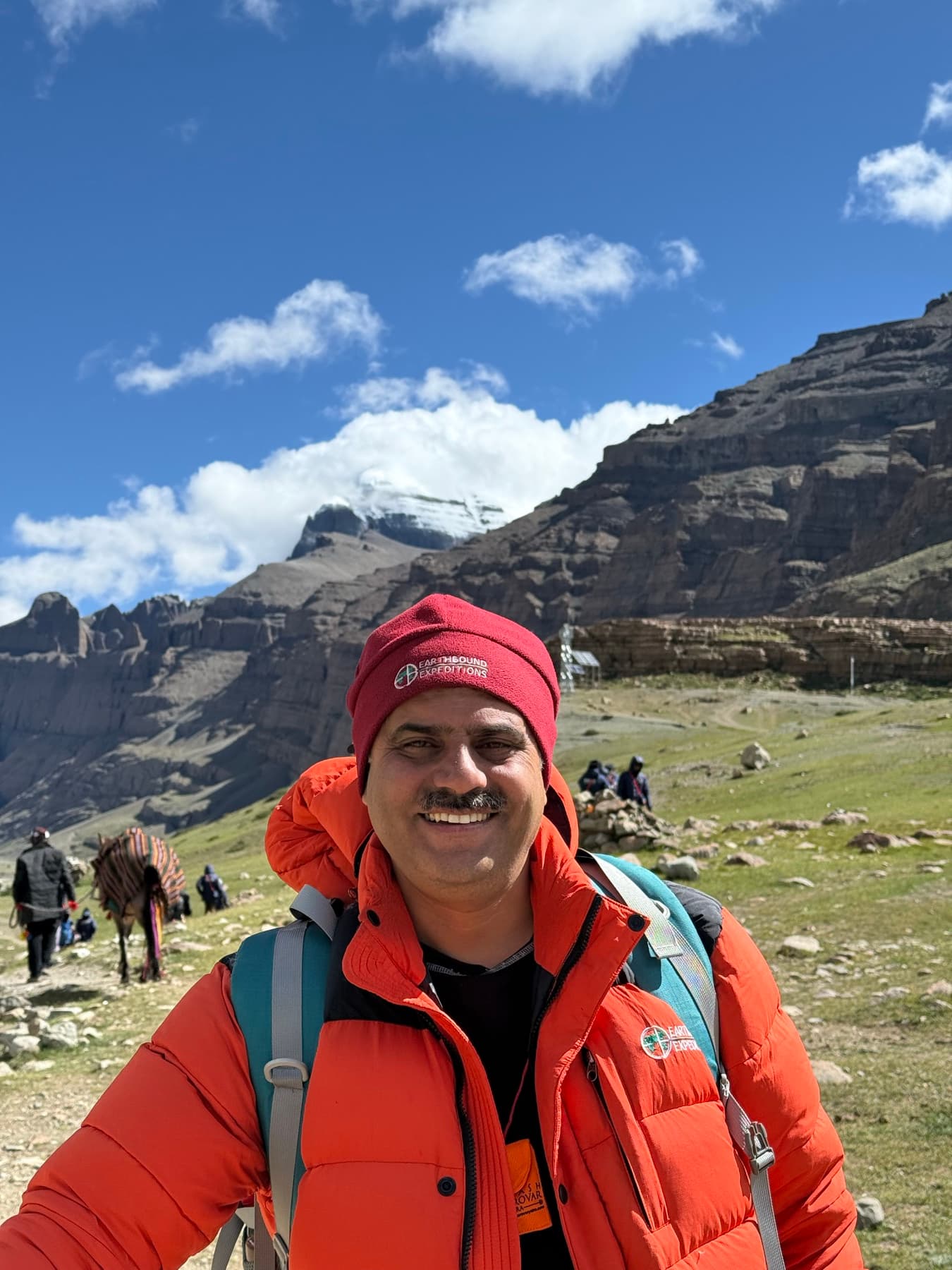
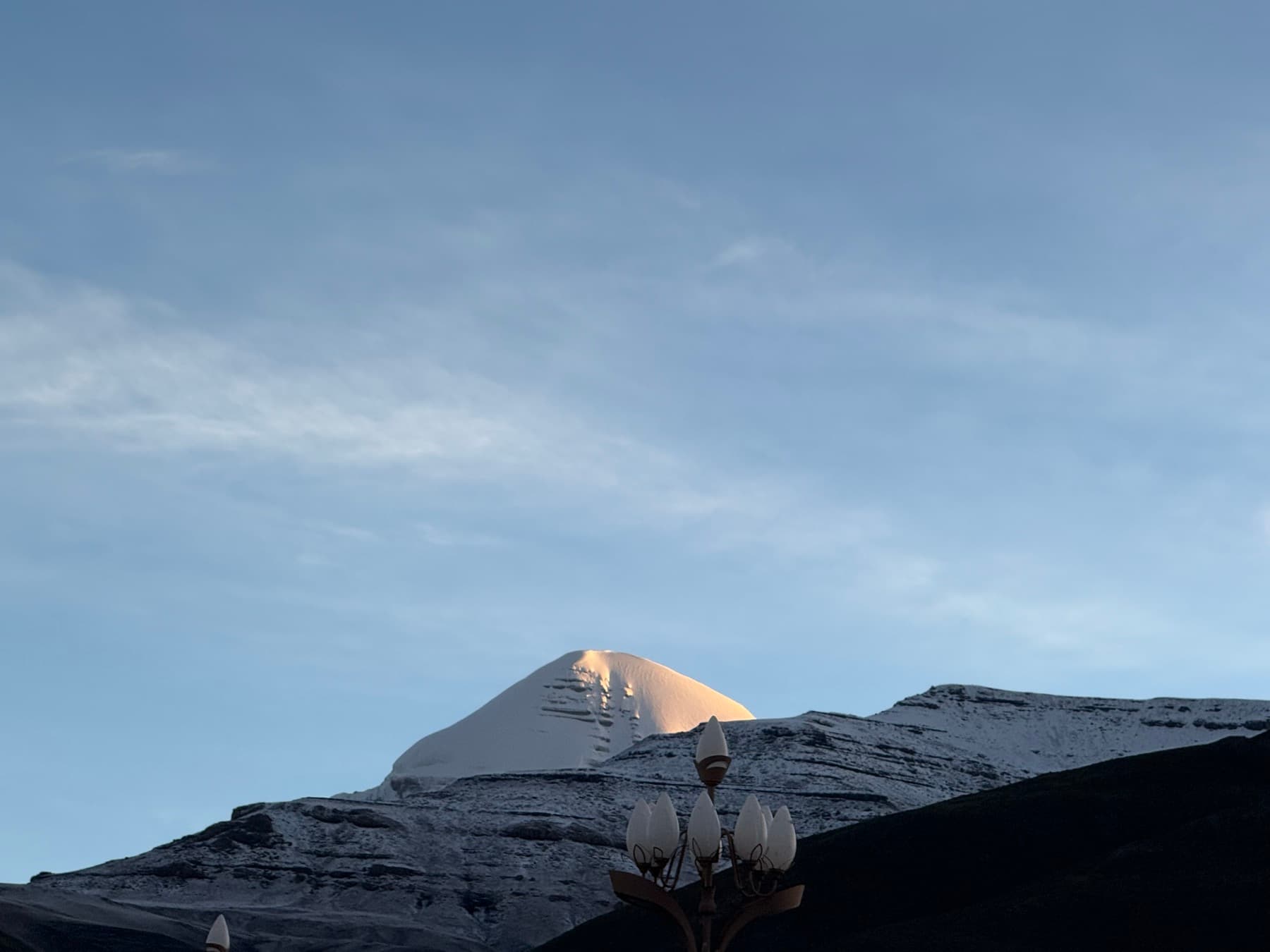
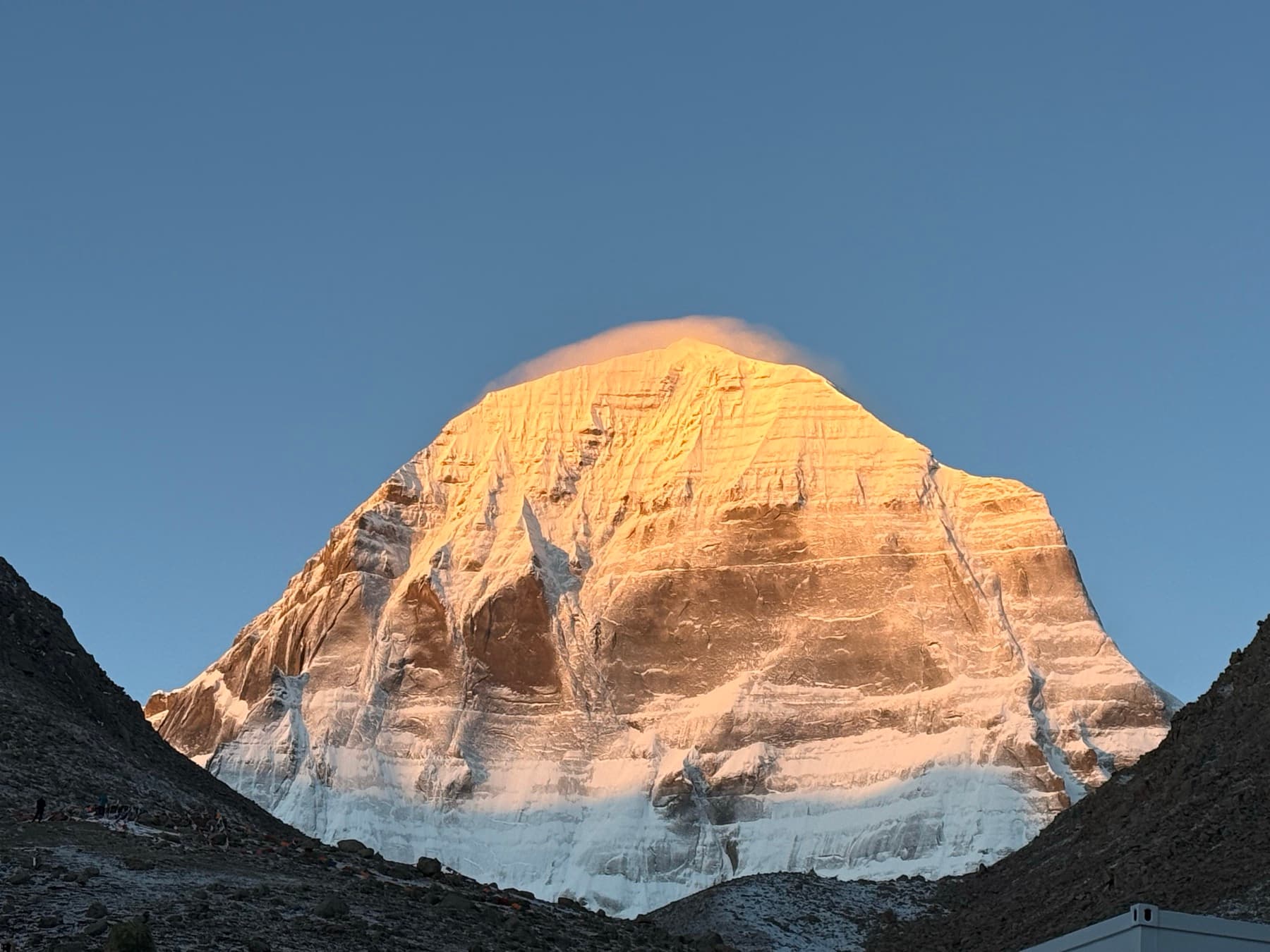
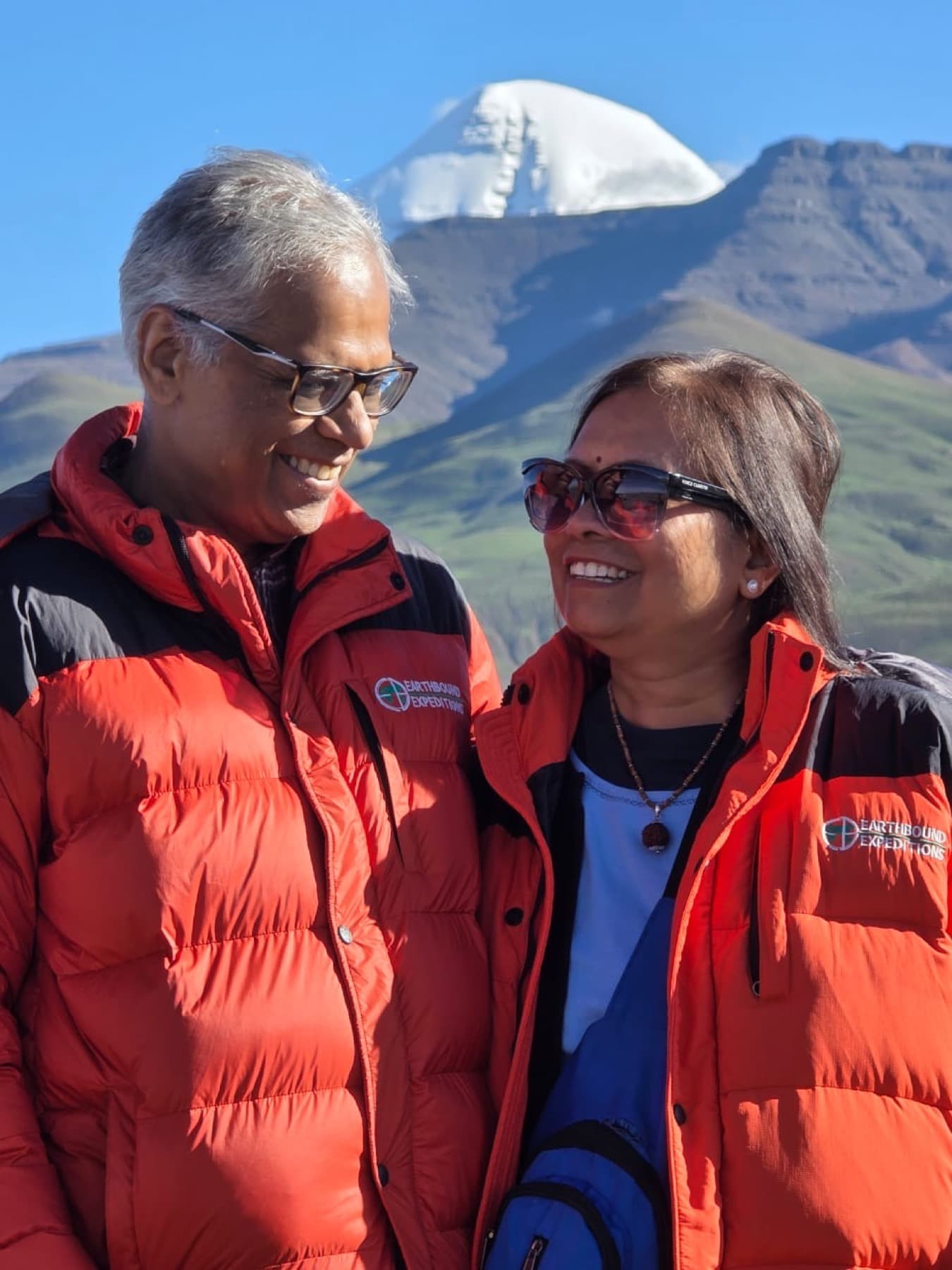
Mount Kailash and Lake Mansarovar in Tibet, Lumbini, and the sacred sites of the Kathmandu Valley.
Is the Kailash trip hard?
The three-day kora around Mount Kailash crosses a pass at 5,630 m, so good fitness and a careful acclimatisation plan matter. We plan extra days for both.
Do you arrange the Tibet permits?
Yes, including the Tibet travel permit and the Chinese group visa.
Can a pilgrimage include ceremonies?
Yes. Private pujas and ceremonies can be arranged.
Still have a question?
Our team in Kathmandu is happy to help.