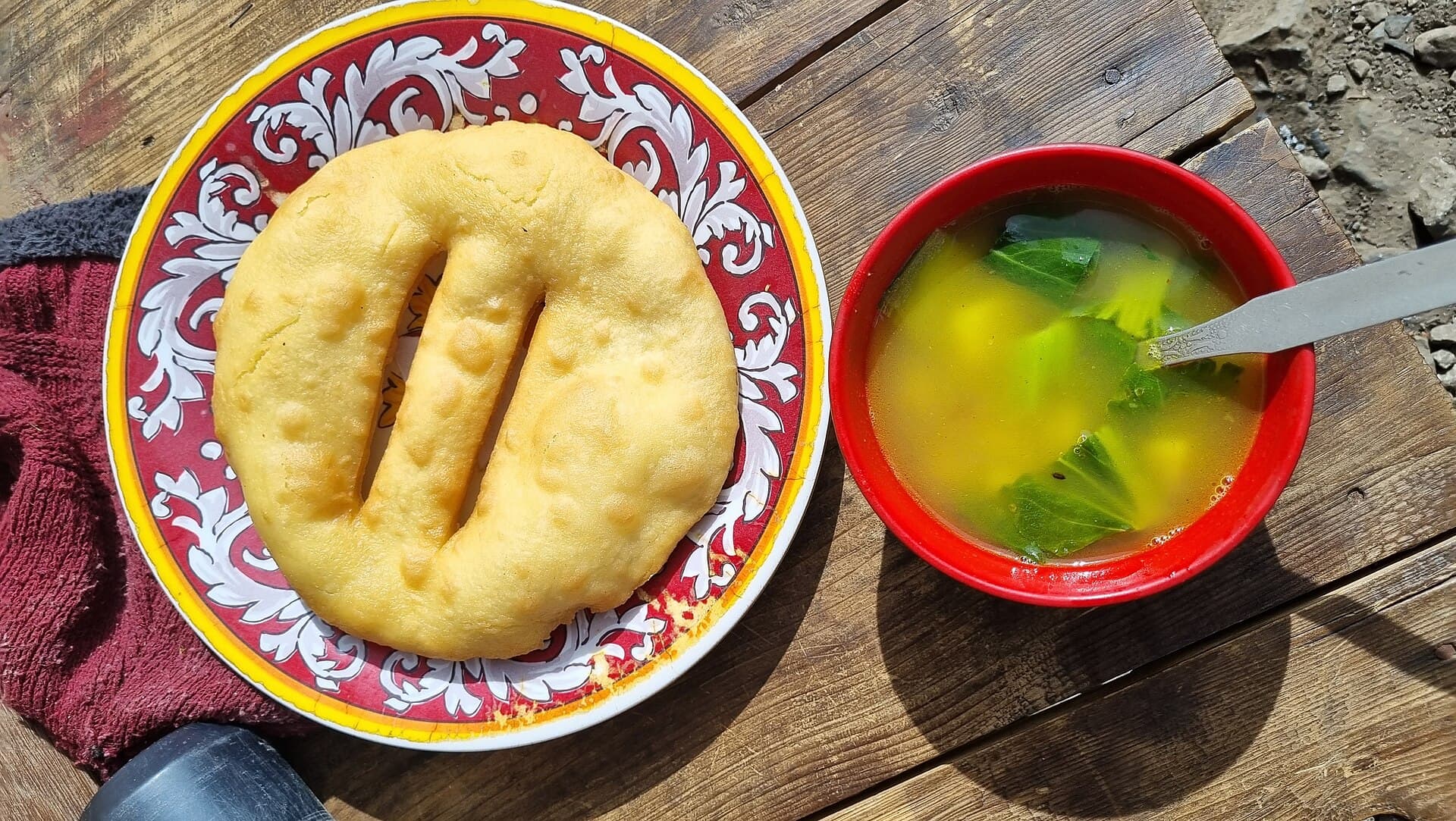
Breakfast
Hotel buffet in the cities, and eggs, toast and fruit at the lodge. Served earlier on the two sunrise mornings
All destinations
All destinationsNepal in ten days without a trek: the historic cities of the Kathmandu Valley, rhinos in the grassland of Chitwan, and the Annapurnas from a ridge above Pokhara.
Nepal in ten days without a trek: the historic cities of the Kathmandu Valley, rhinos in the grassland of Chitwan, and the Annapurnas from a ridge above Pokhara.
Ten days that cross Nepal from the subtropical plains to the edge of the Himalaya, with every night in a hotel or lodge. You visit the valley cities, Chitwan National Park and the ridges above Pokhara, in the most practical order, with two mornings set aside for mountain views so that one cloudy sunrise does not mean you miss them.
Many visitors expect Nepal to be only mountains, and are surprised to find that a fifth of the country is hot, flat grassland with rhinos. Chitwan covers four hundred square miles of sal forest and elephant grass on the Indian border, and two days there give you a fuller picture of the country.
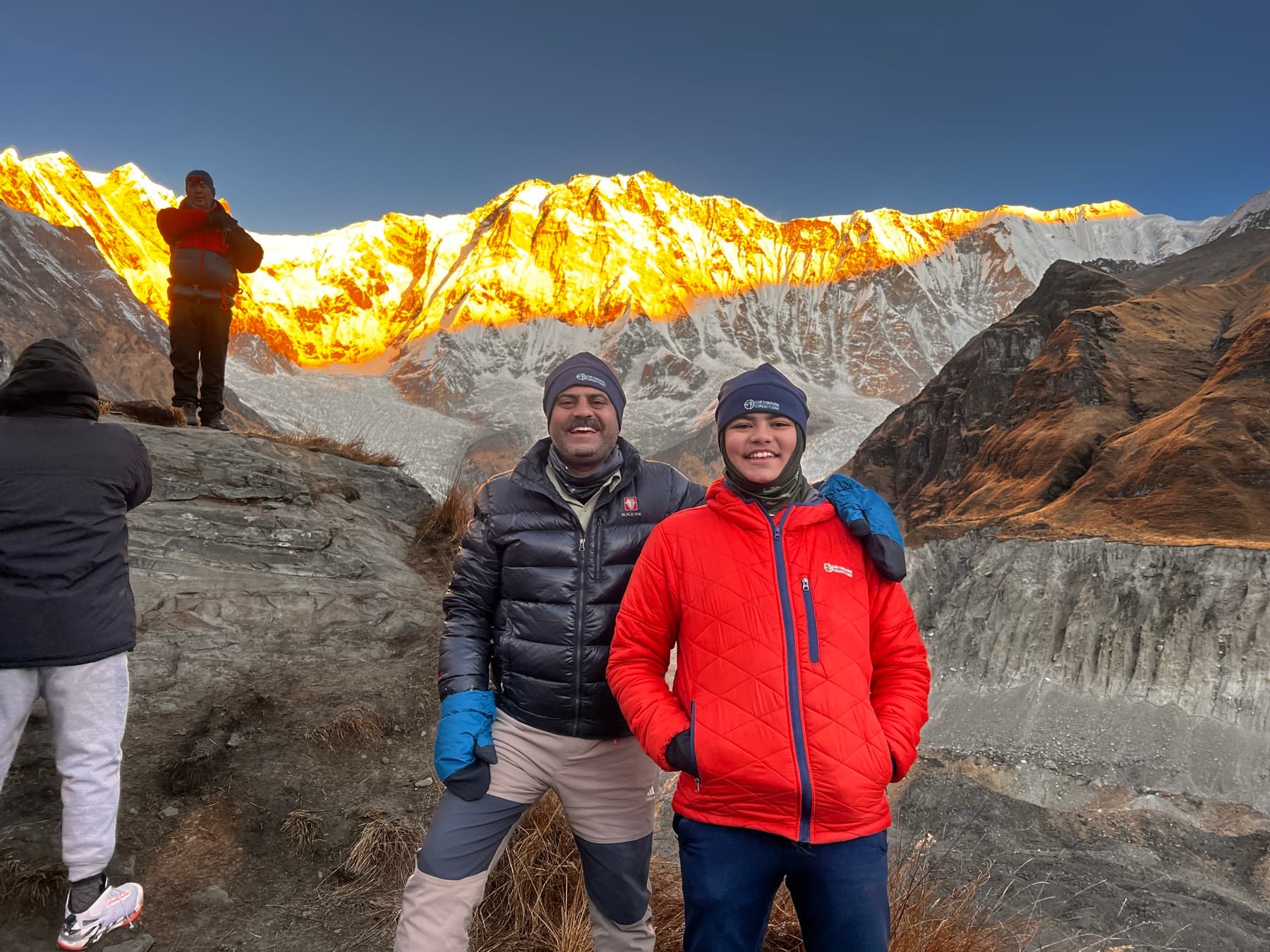
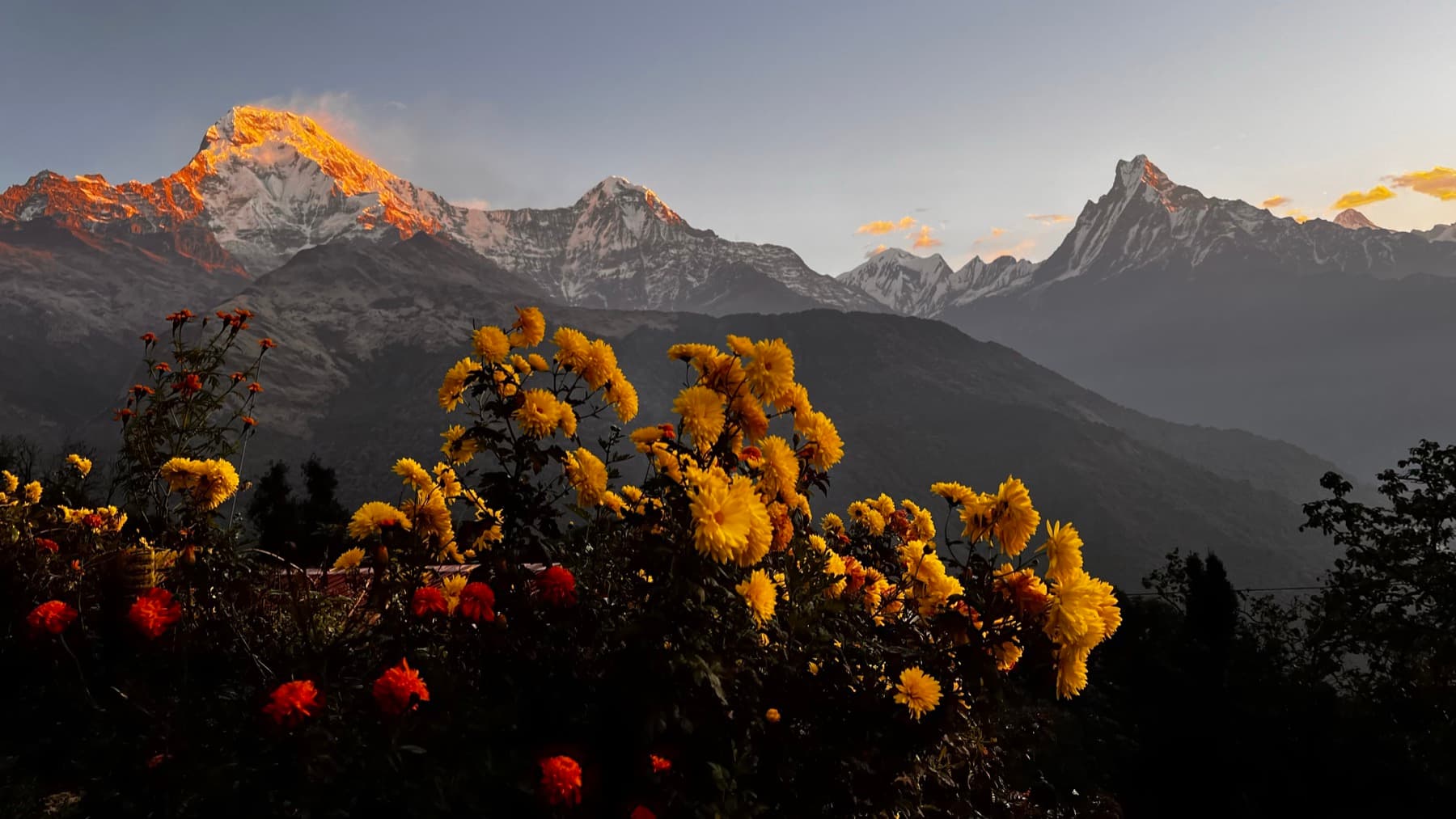
Sarangkot at sunrise is a viewpoint with a car park. From there you walk west along the ridge for three hours, through villages going about their morning, which gives you a closer experience of the Annapurnas than the viewpoint alone. It is one of the highlights of the trip and adds very little to the cost.
First-time visitors to Nepal, families, couples, and travellers with ten days who want to see the whole country rather than one region. It runs for one traveller or more, and it is the trip we recommend most often to people who are not yet sure what they want.
We meet you at the airport and take you to your hotel. There are no activities planned today. In the evening we go through the ten-day itinerary over dinner and answer common questions, such as how hot Chitwan will be, what you will see, and whether you need anything you have not brought.
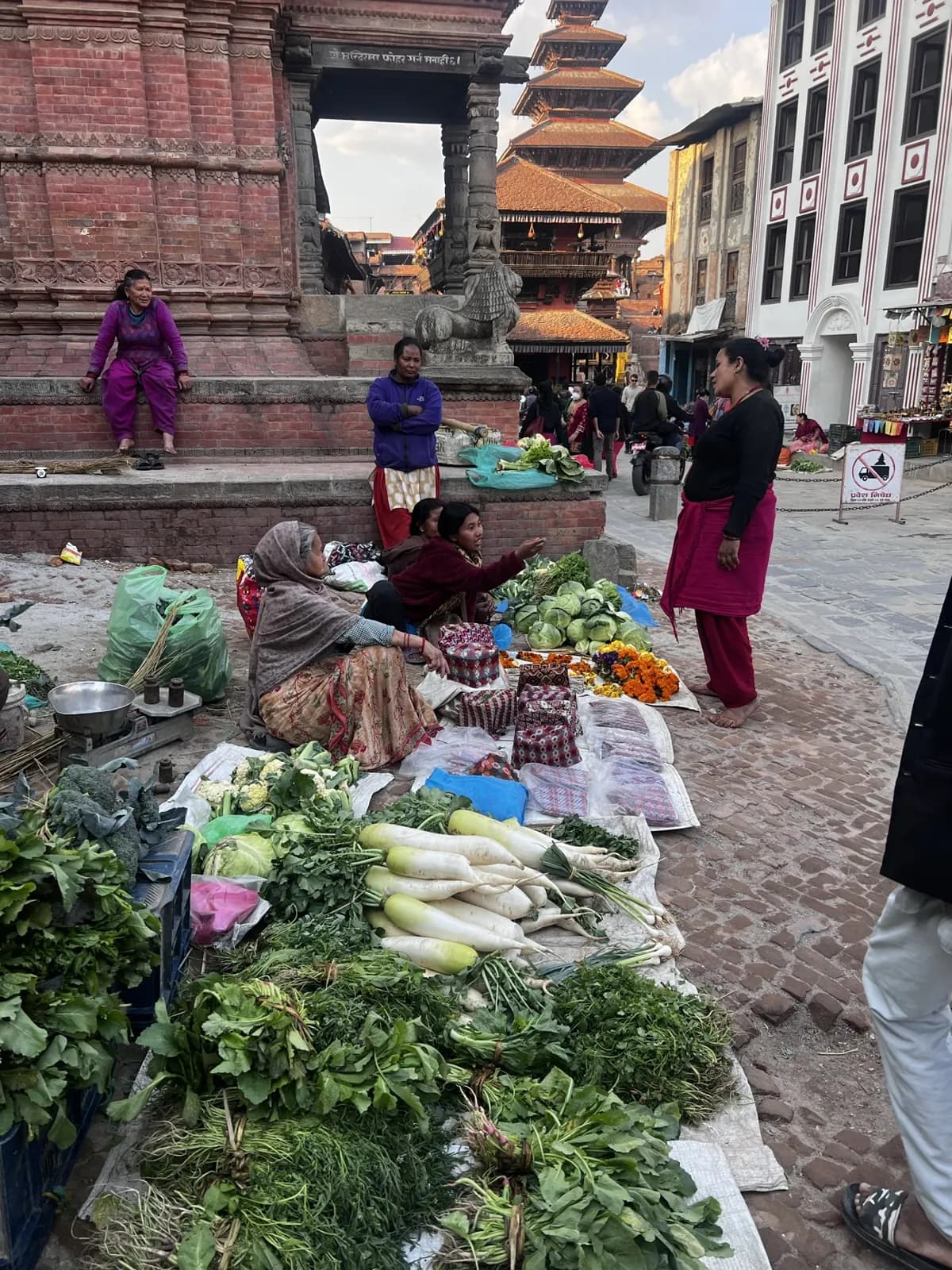
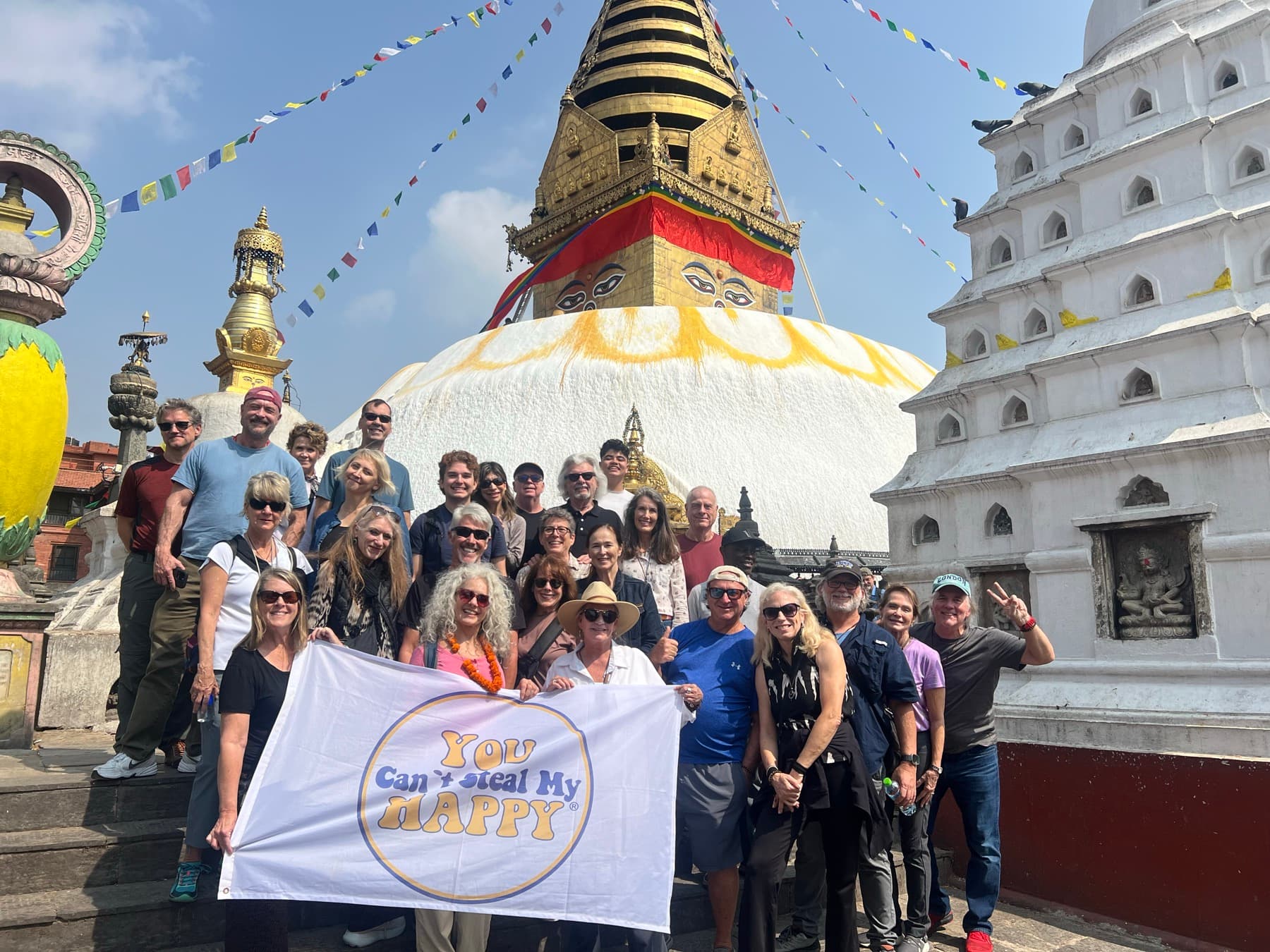
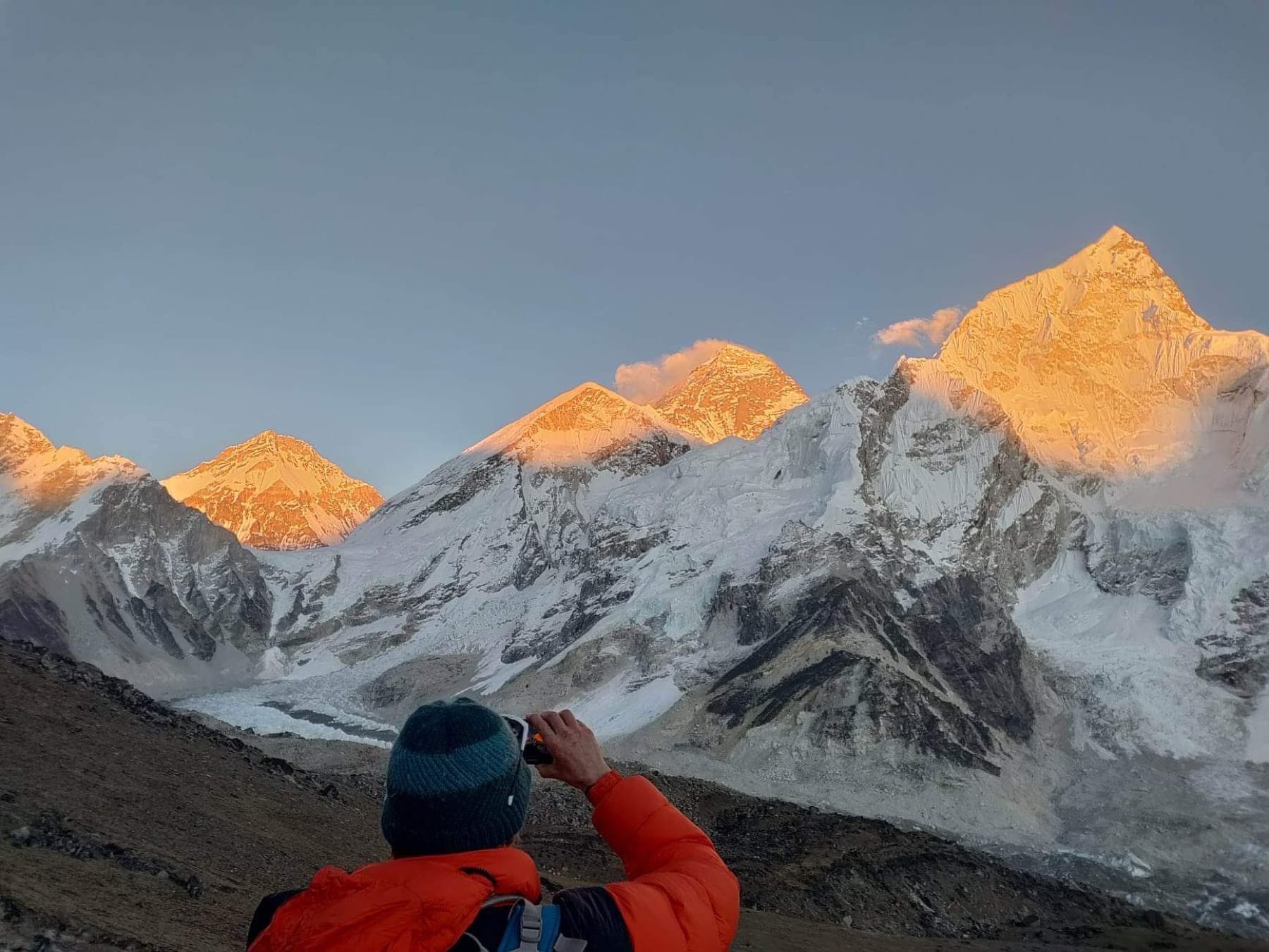
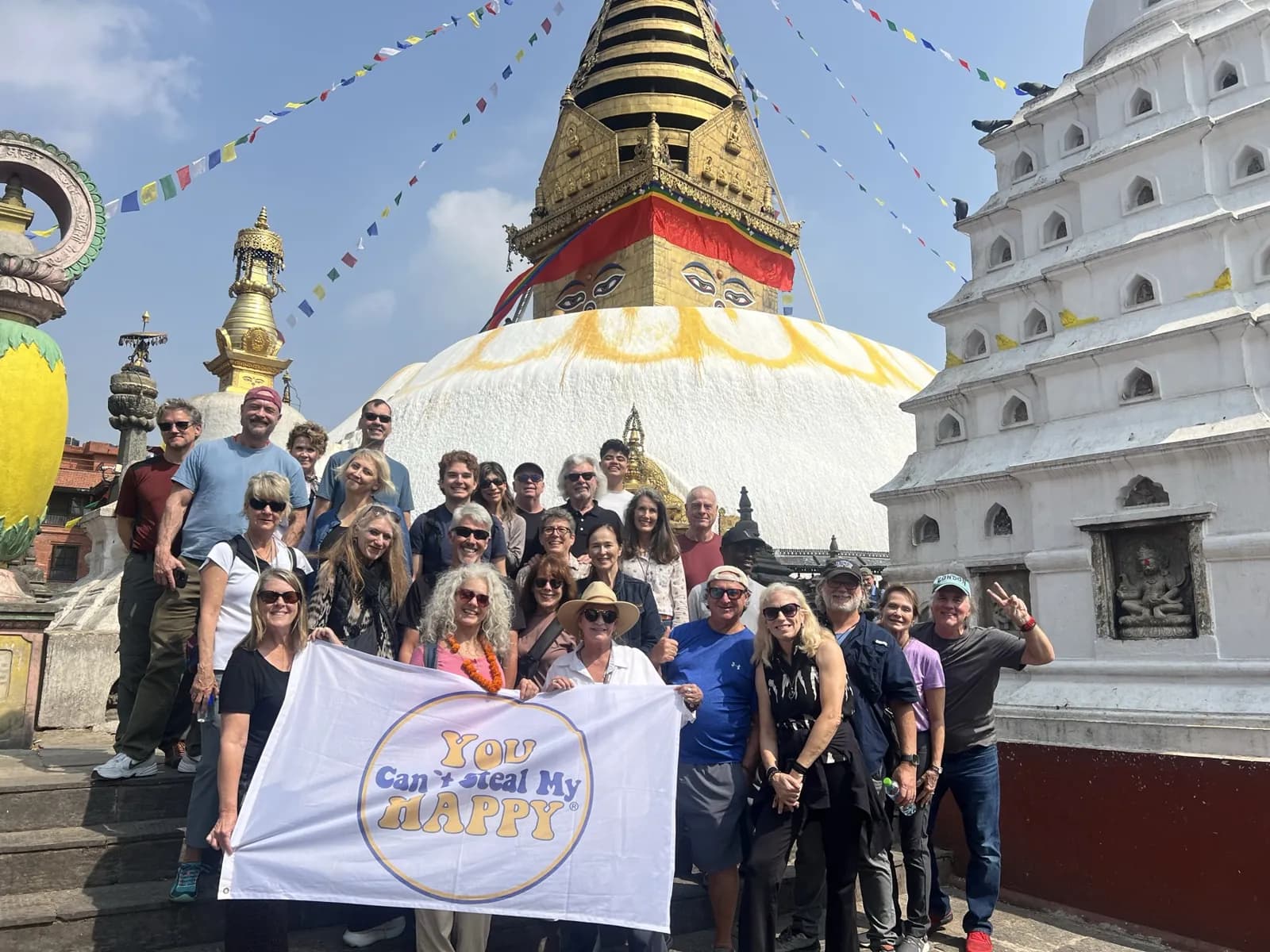
You climb the stairway to Swayambhunath early, while pilgrims are still walking around the stupa. You visit Kathmandu Durbar Square in the late morning, and Boudhanath at the end of the afternoon, when several thousand people walk the kora as the lamps are lit and the stupa turns golden in the evening light. Many visitors find this the most memorable moment in the valley.
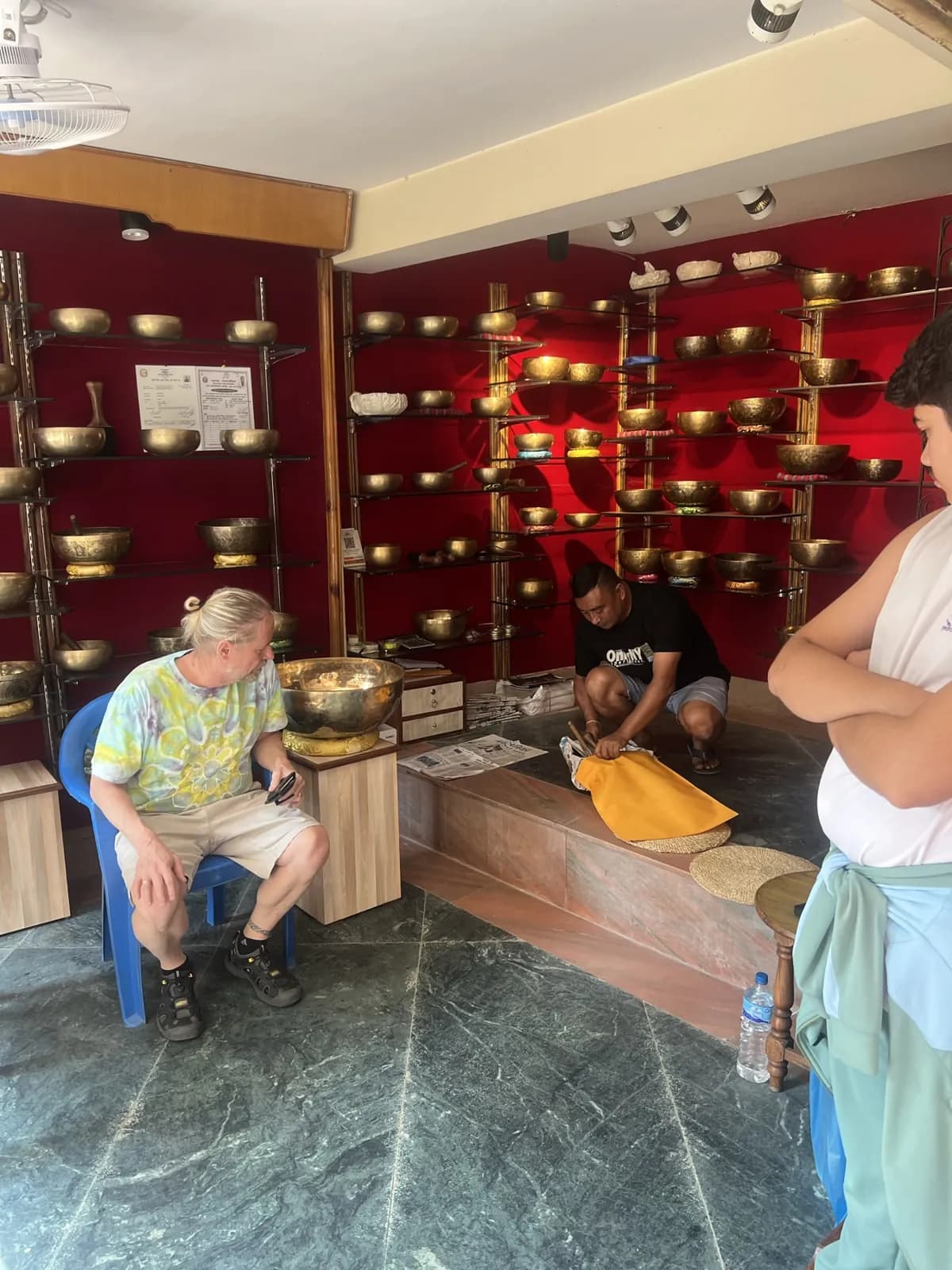
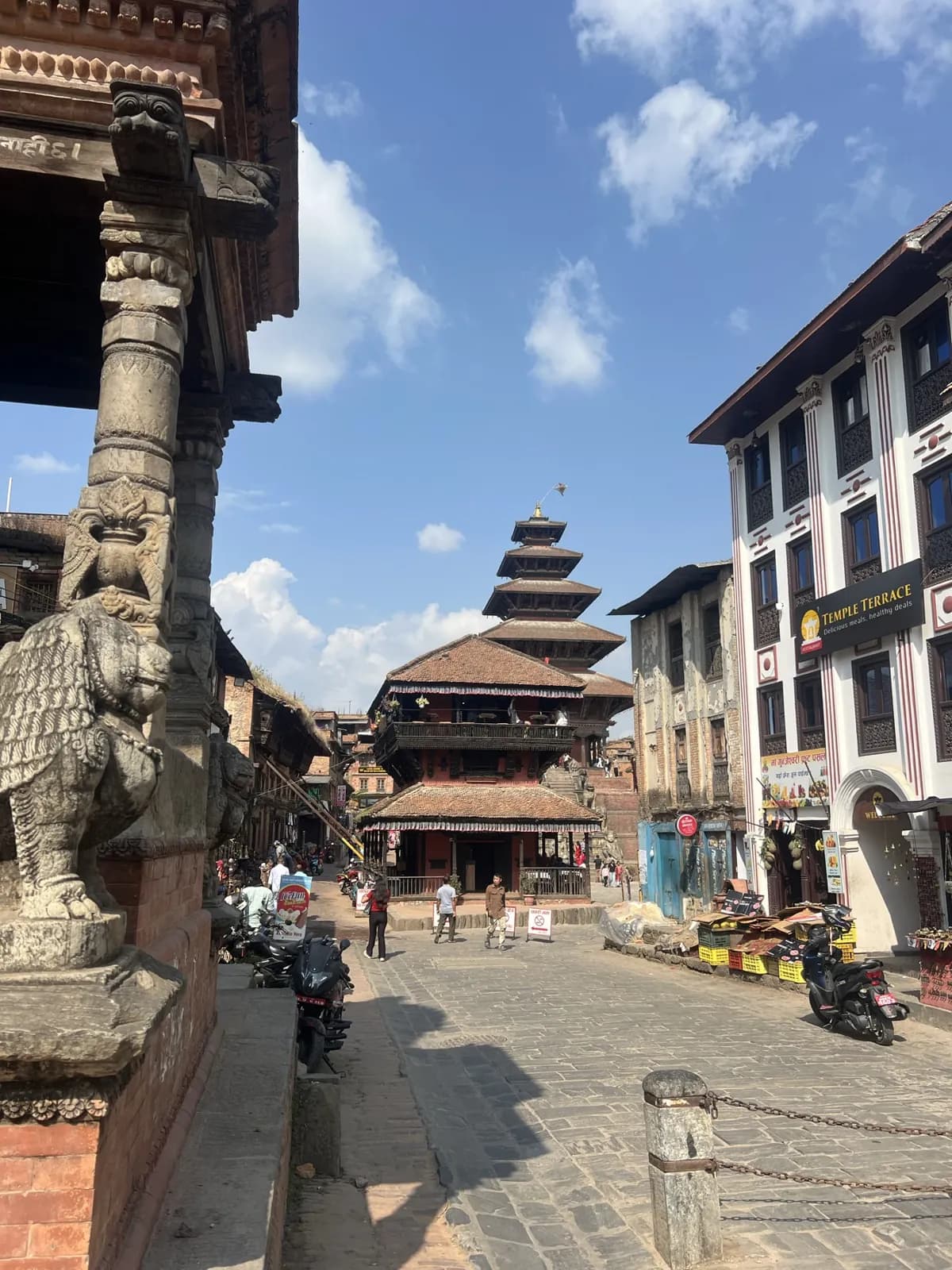
You spend the morning in Patan Durbar Square, the finest and least crowded of the three royal squares, and then walk the back lanes where families still cast bronze using the lost-wax method in their own courtyards. In the afternoon you visit Pashupatinath, where cremations take place in the open on the ghats. Your guide will explain what to expect before you arrive.
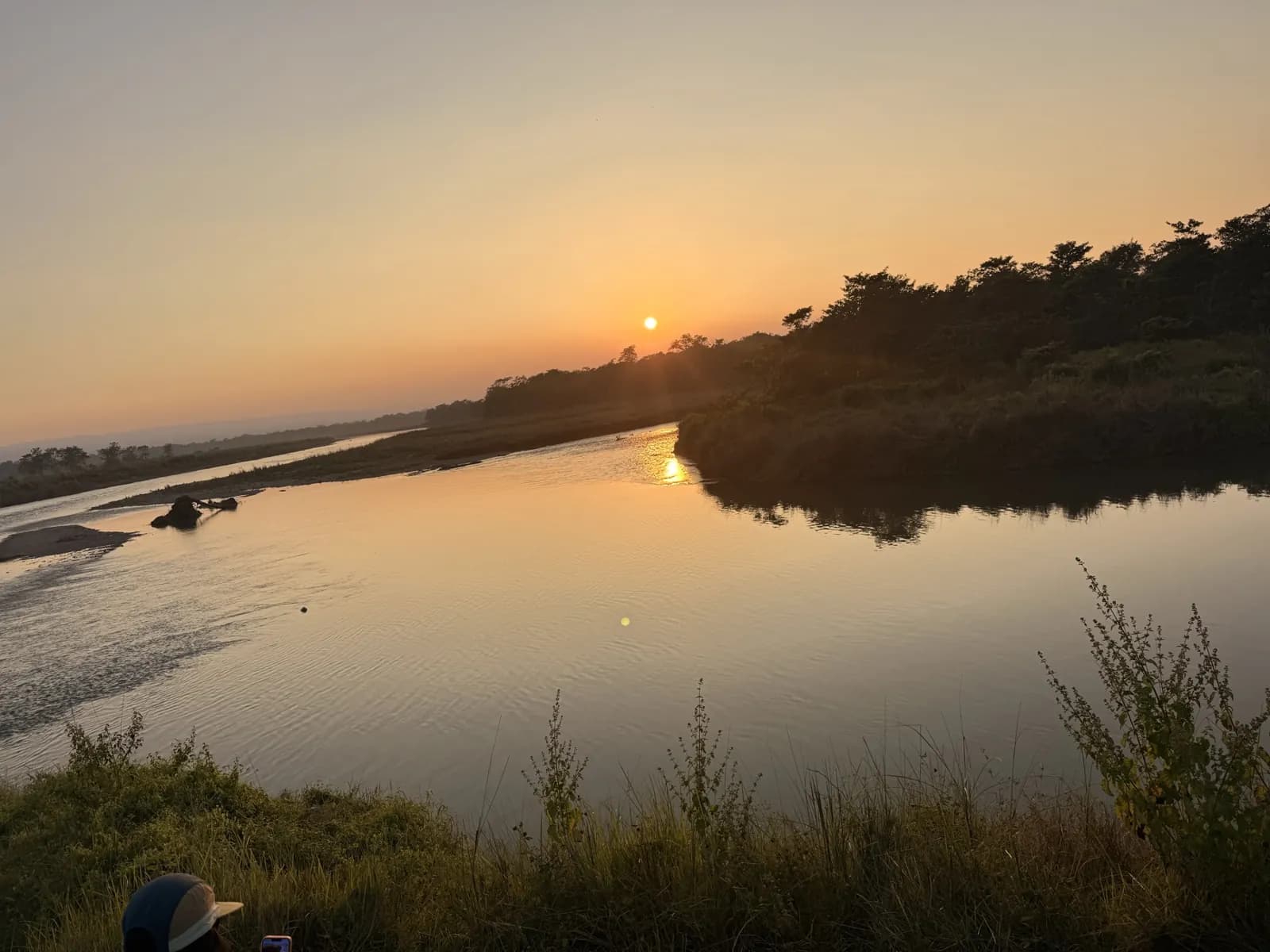
You drive south and west out of the valley along the Trishuli river, five to six hours by road, descending a thousand metres. The temperature is about fifteen degrees higher. Chitwan is flat, hot and green, and very different from Kathmandu. We arrive in time for a walk to a Tharu village and the sunset on the bank of the Rapti river.
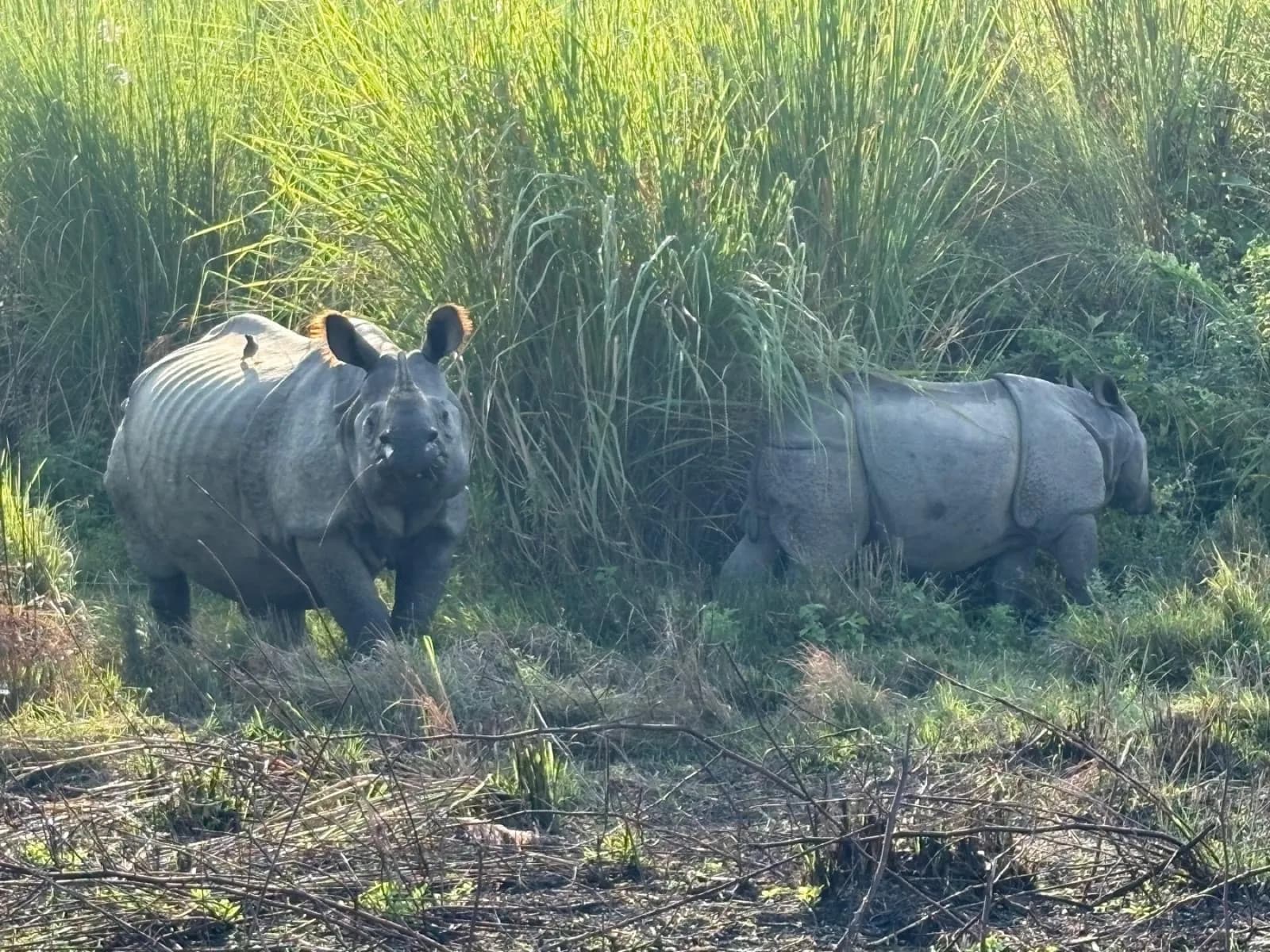
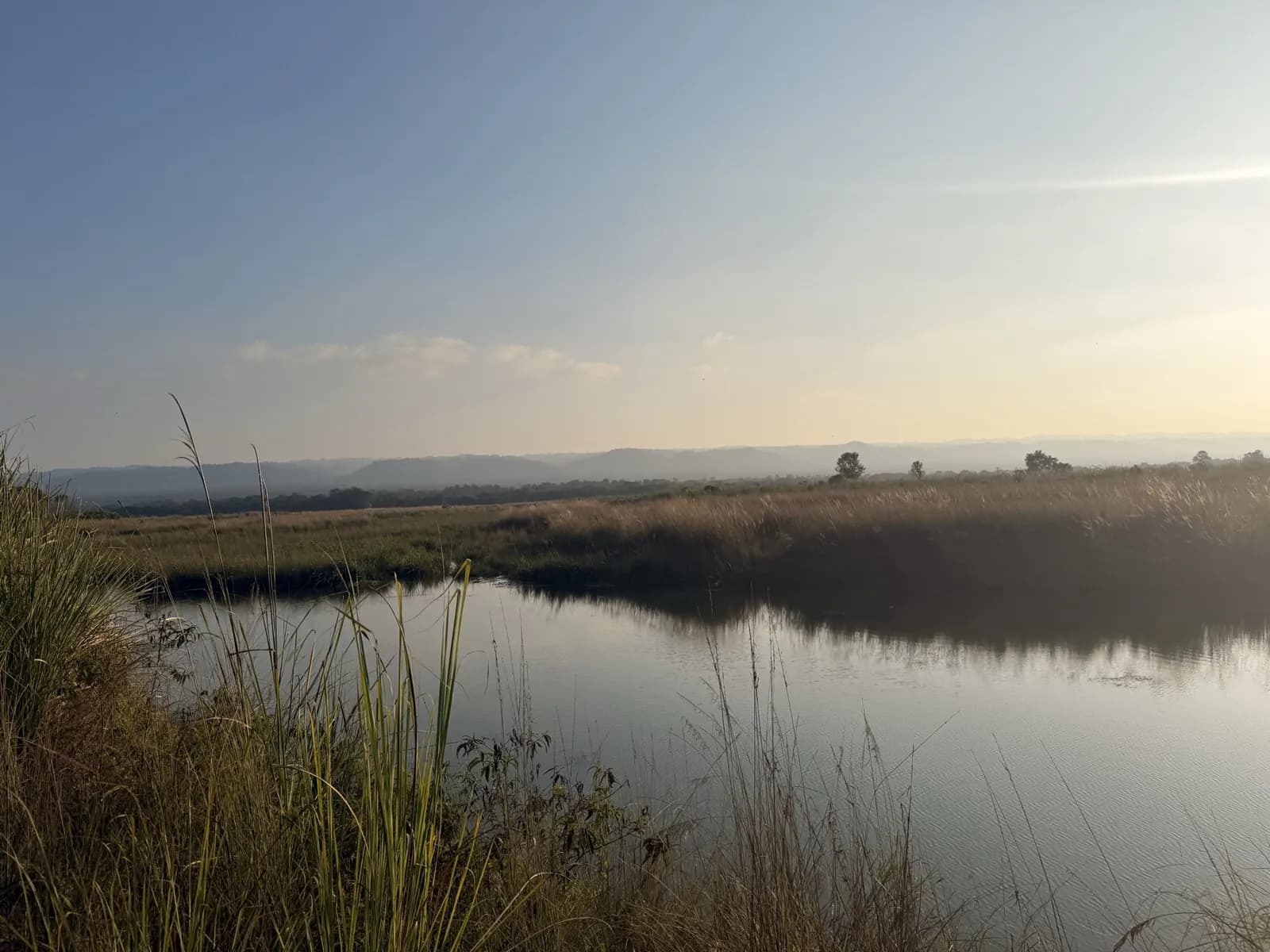
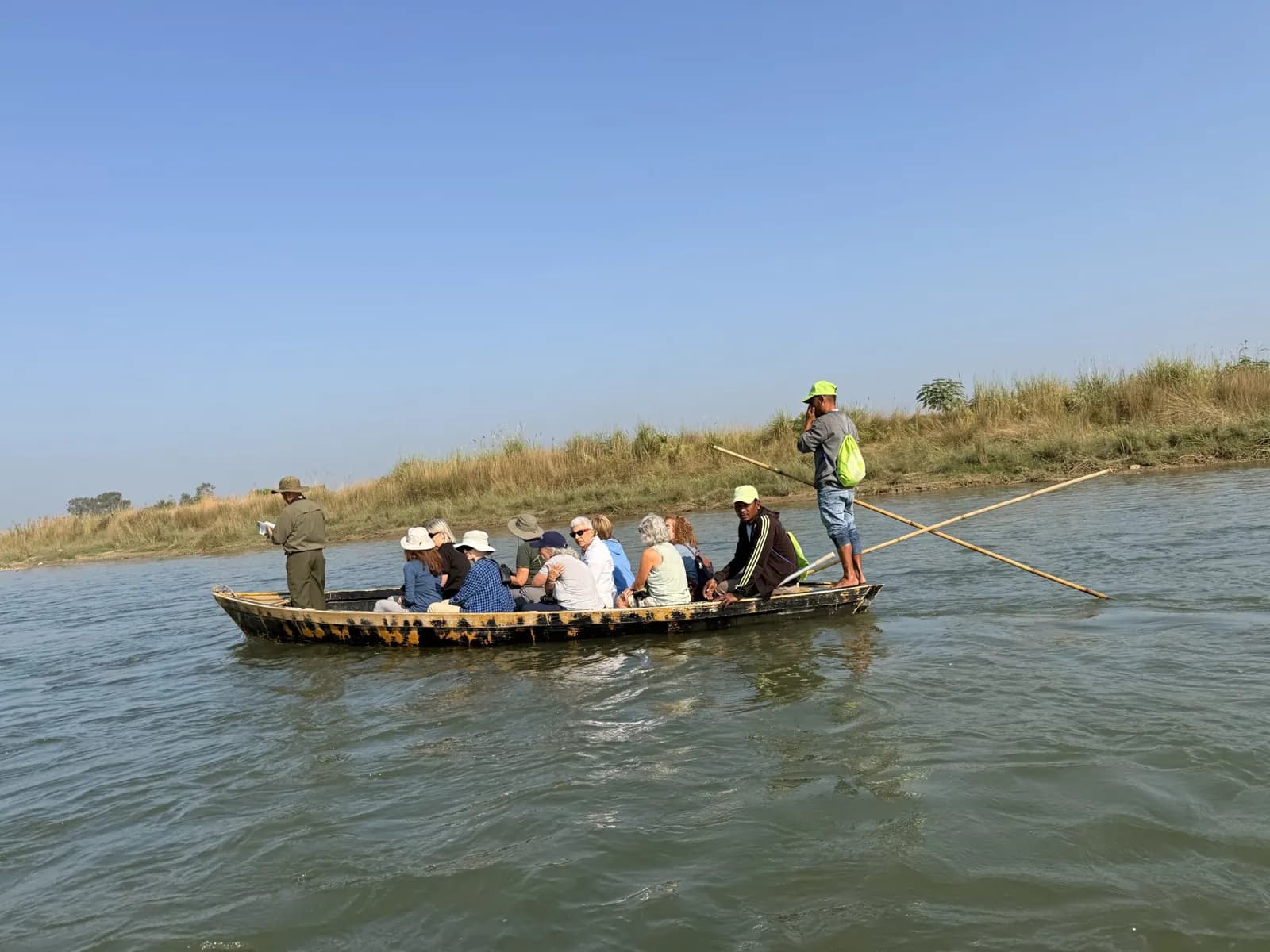
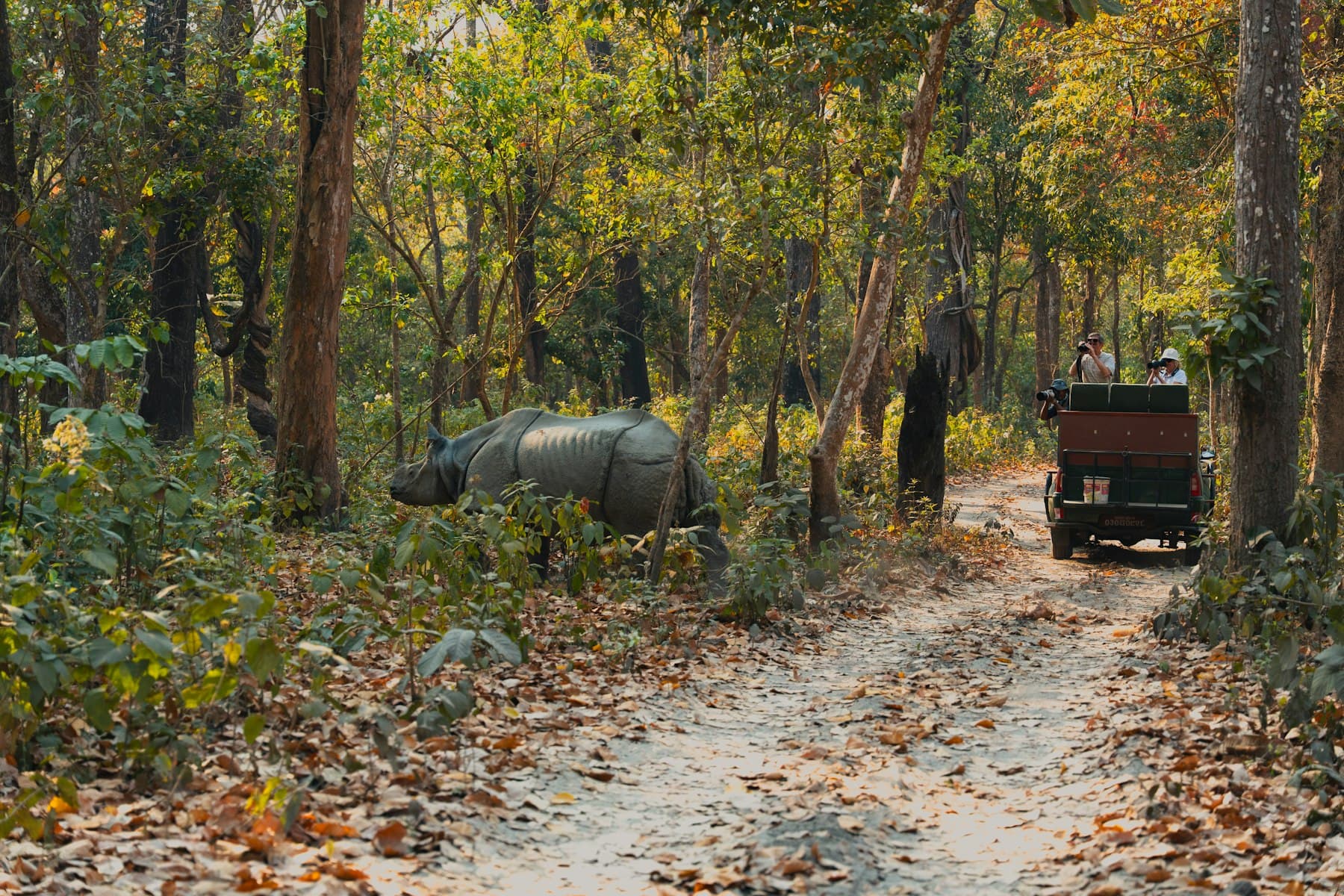
At first light you travel down the Rapti river in a dugout canoe, with gharial crocodiles on the sandbanks and plenty of birdlife. This is followed by a guided walk in the park with two naturalists, one in front and one behind, which is the standard practice here. In the afternoon a jeep drive takes you into the grassland where the rhinos live, and in the evening there is a Tharu stick dance.
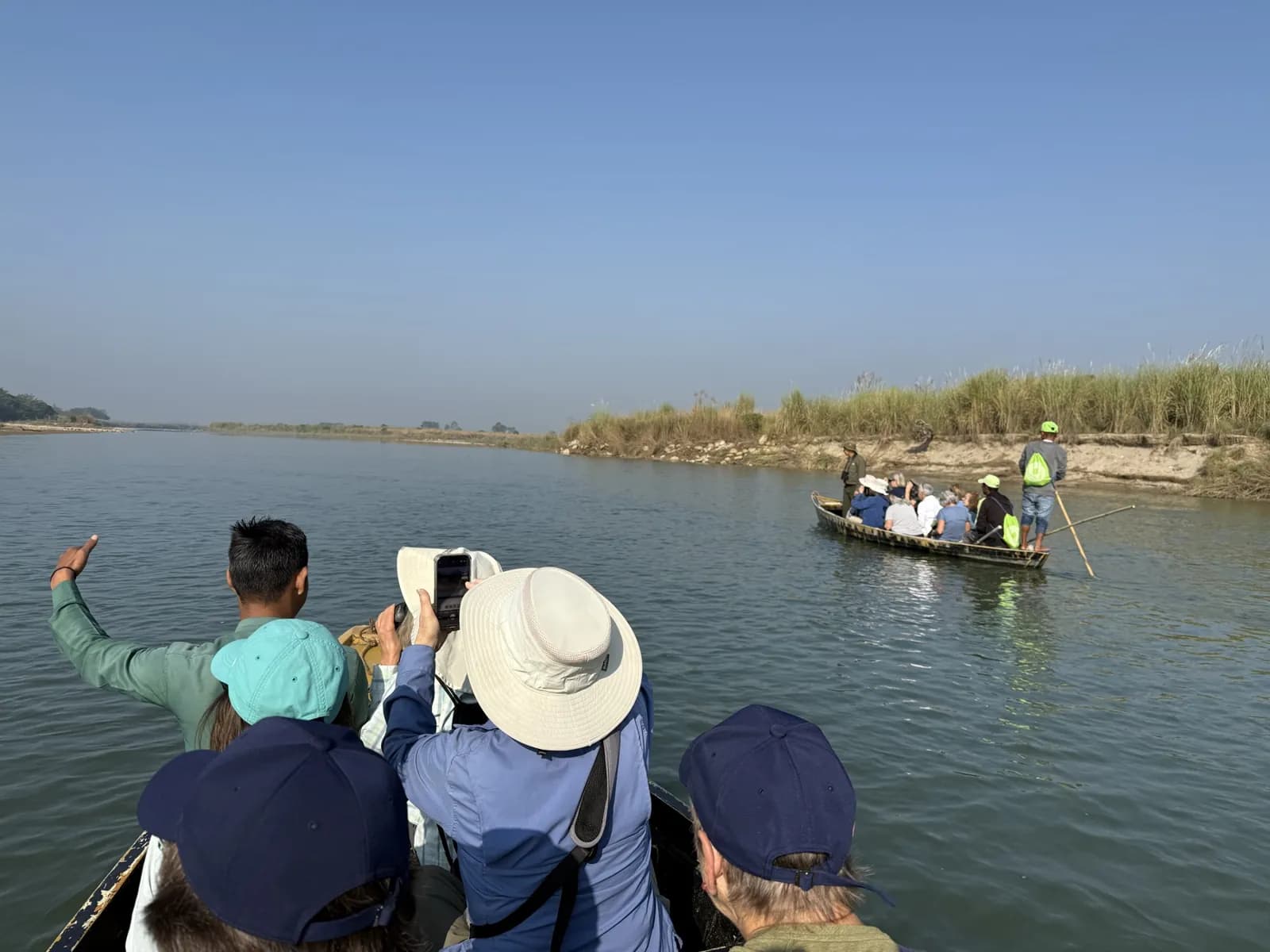
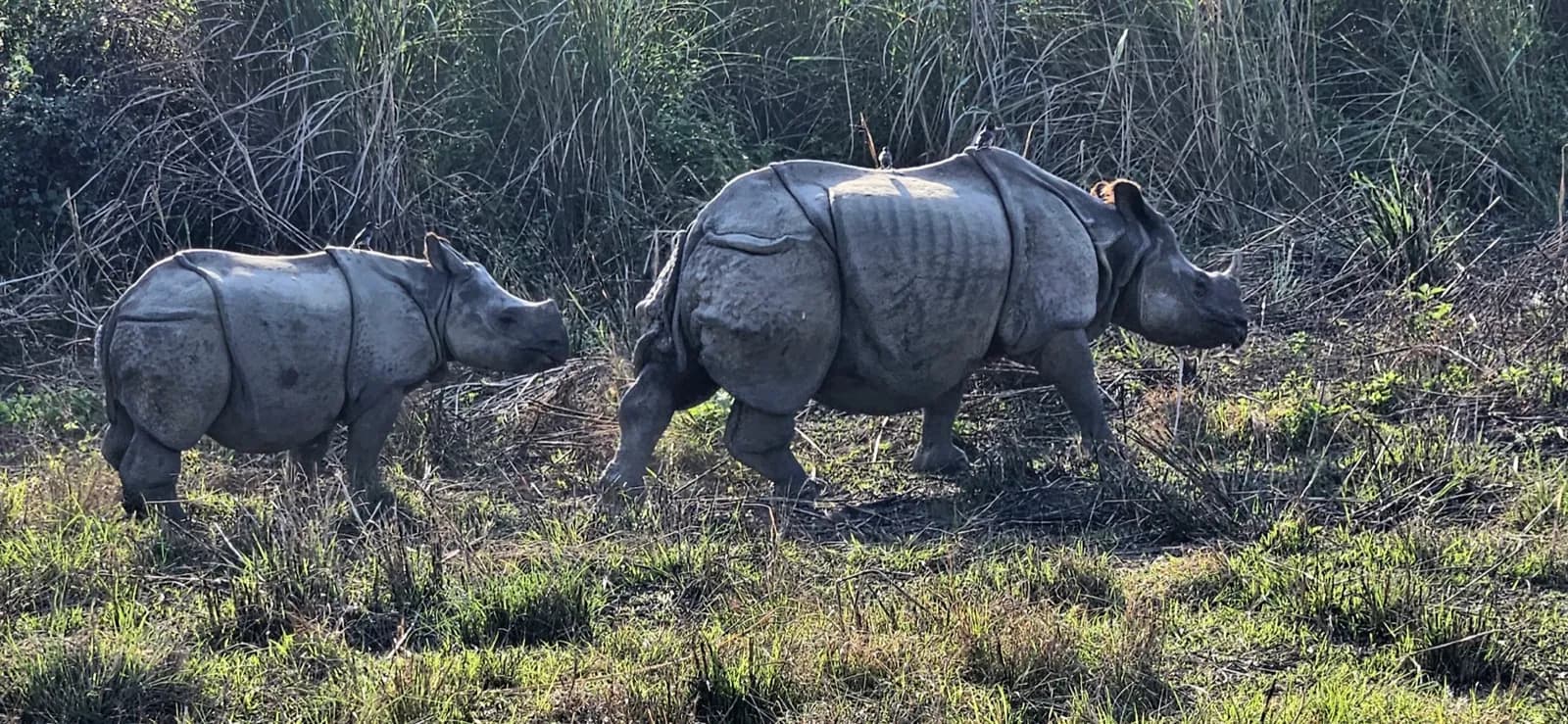
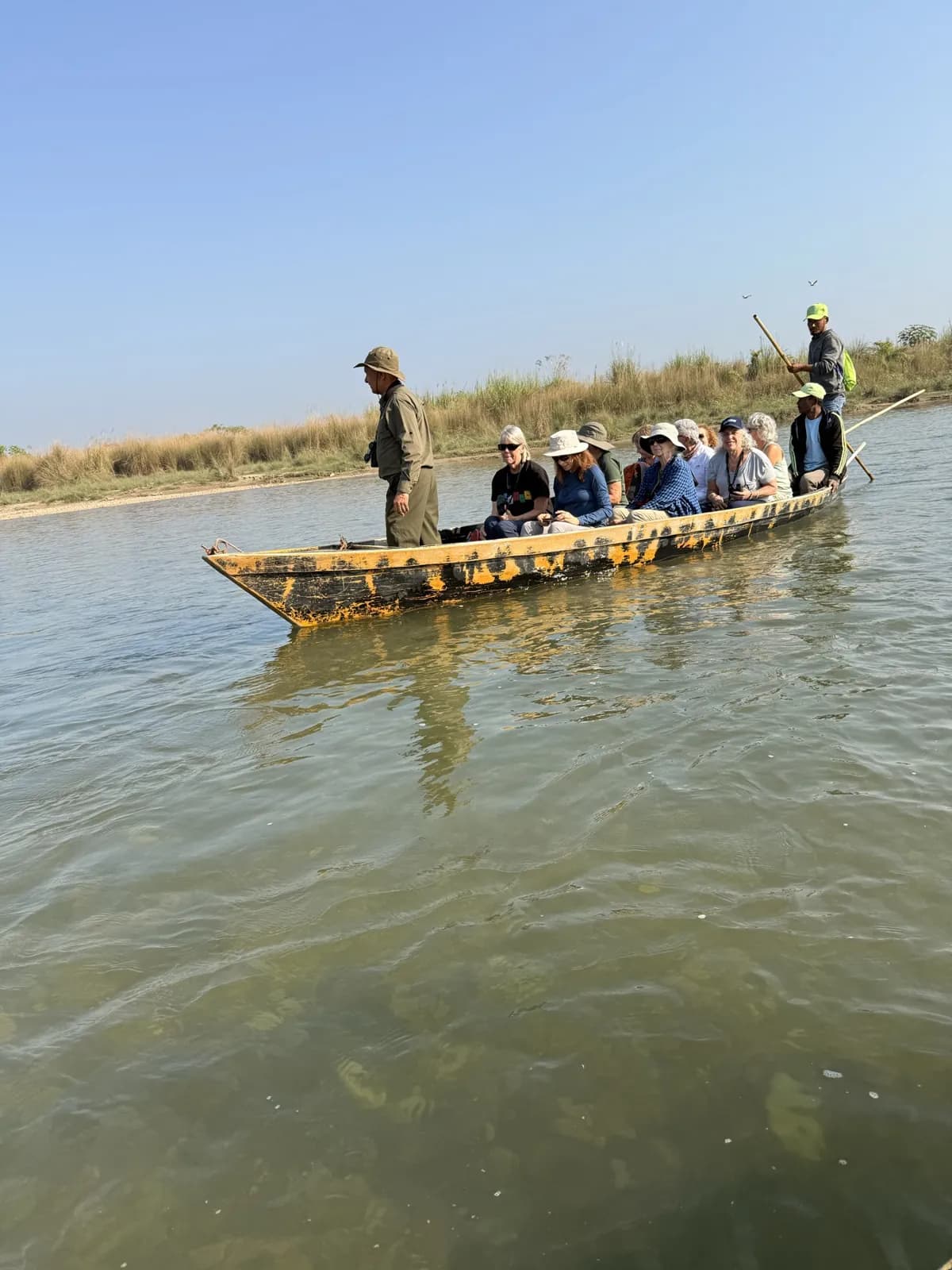
There is an early walk or a second canoe trip if the group would like one, followed by a five-hour drive north-west to Pokhara along the Seti river. The road climbs steadily and the air becomes cooler. We reach the lake in the afternoon, and you can check whether the mountains are visible to the north.
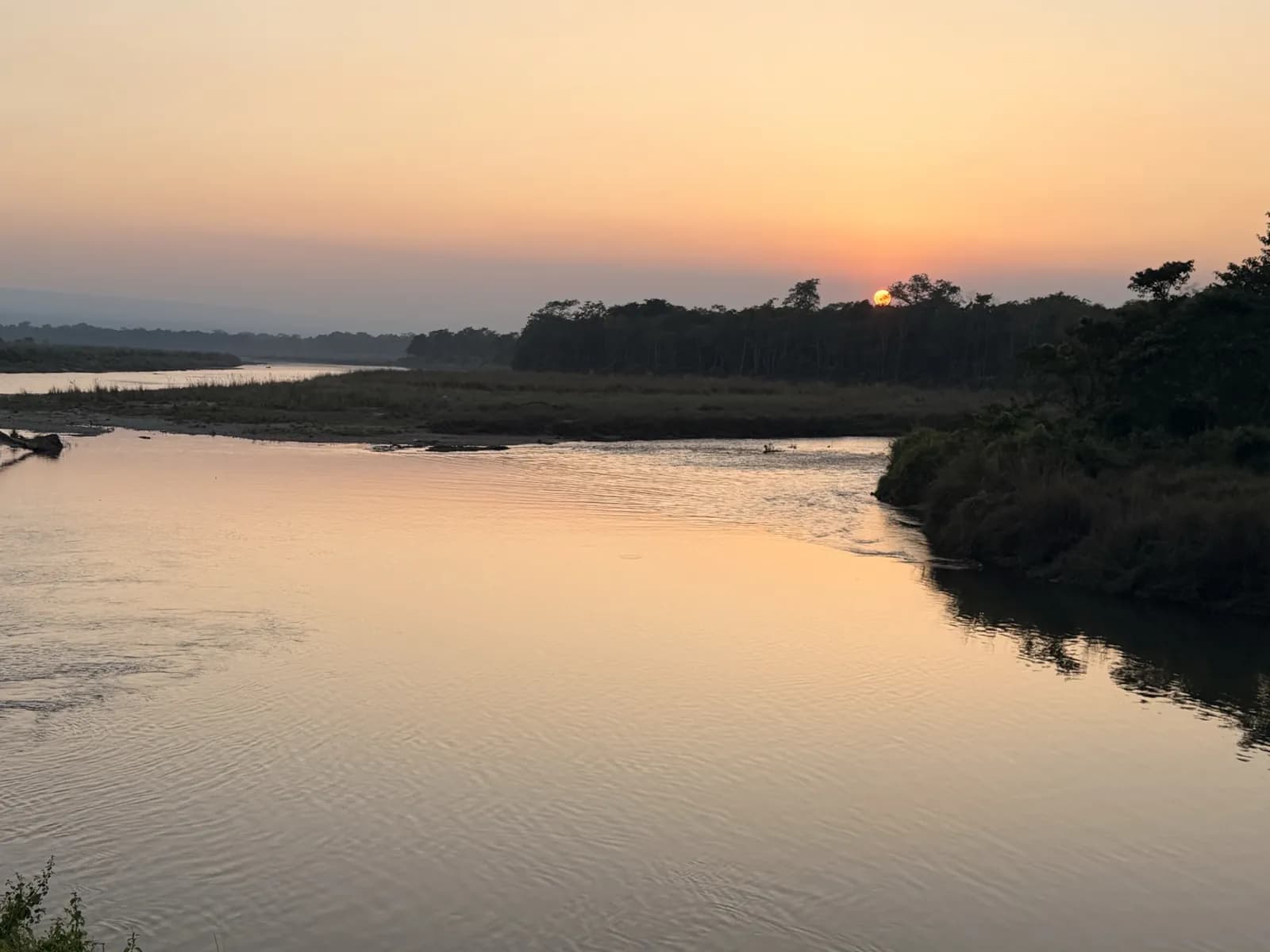
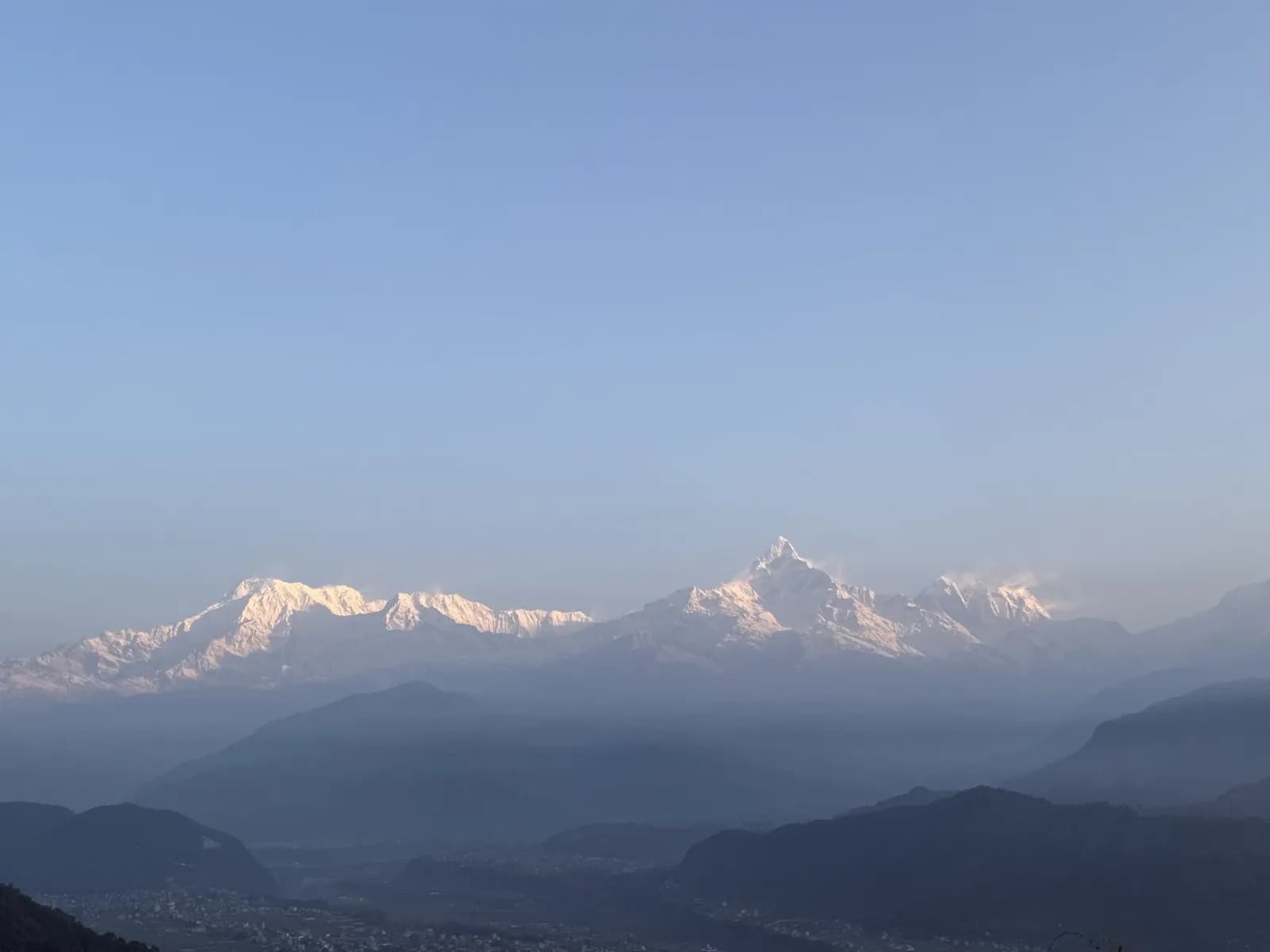
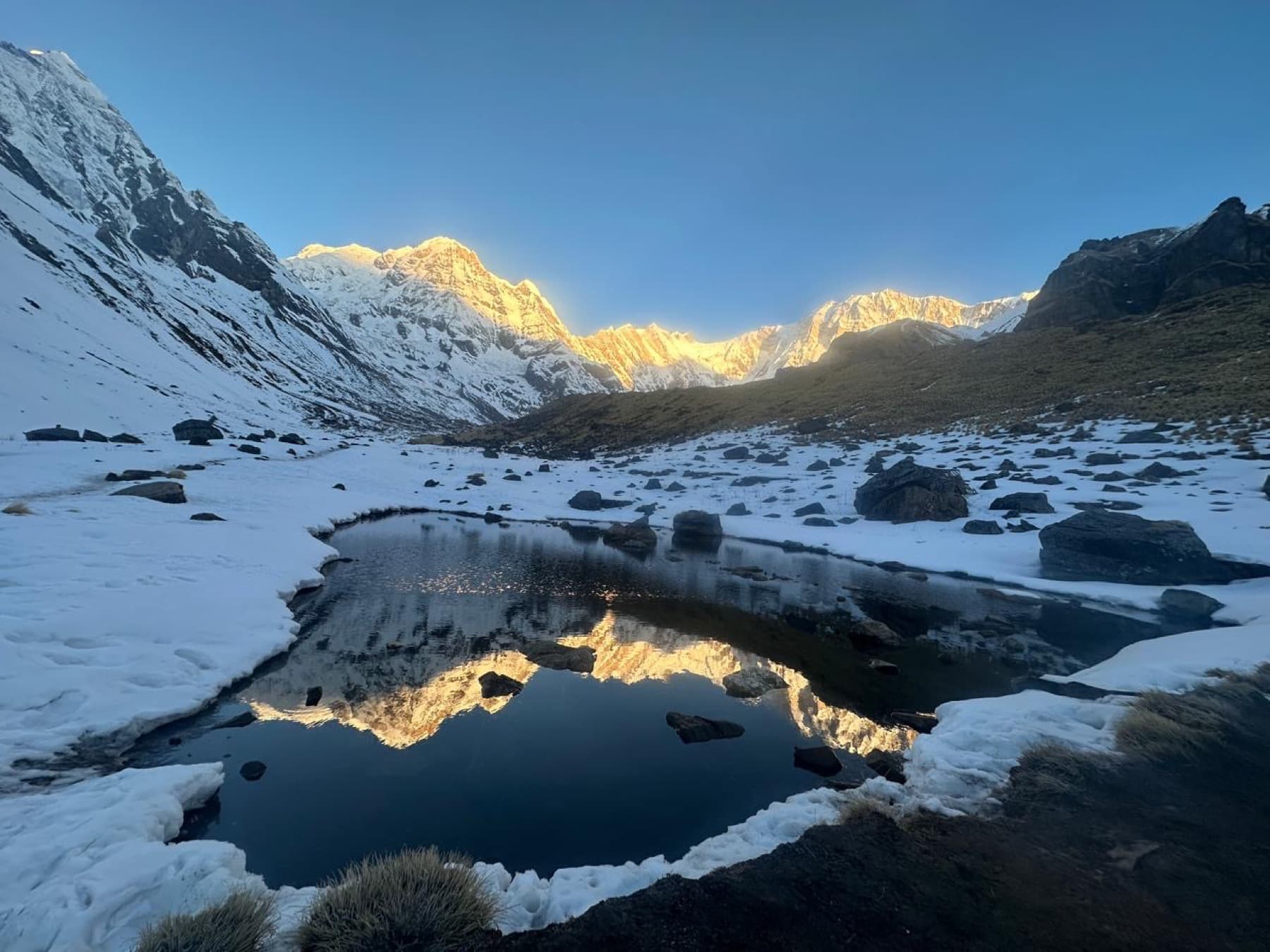
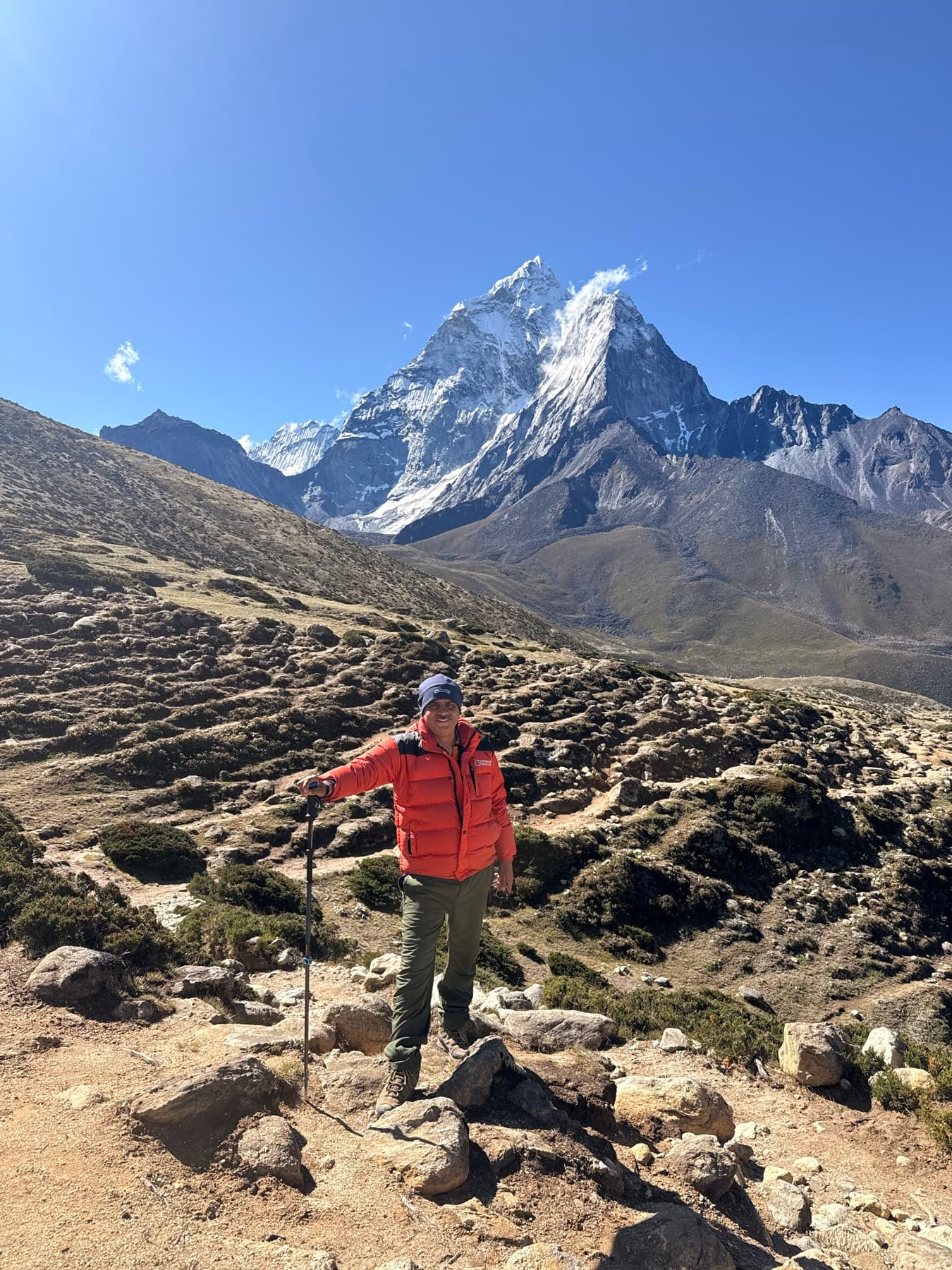
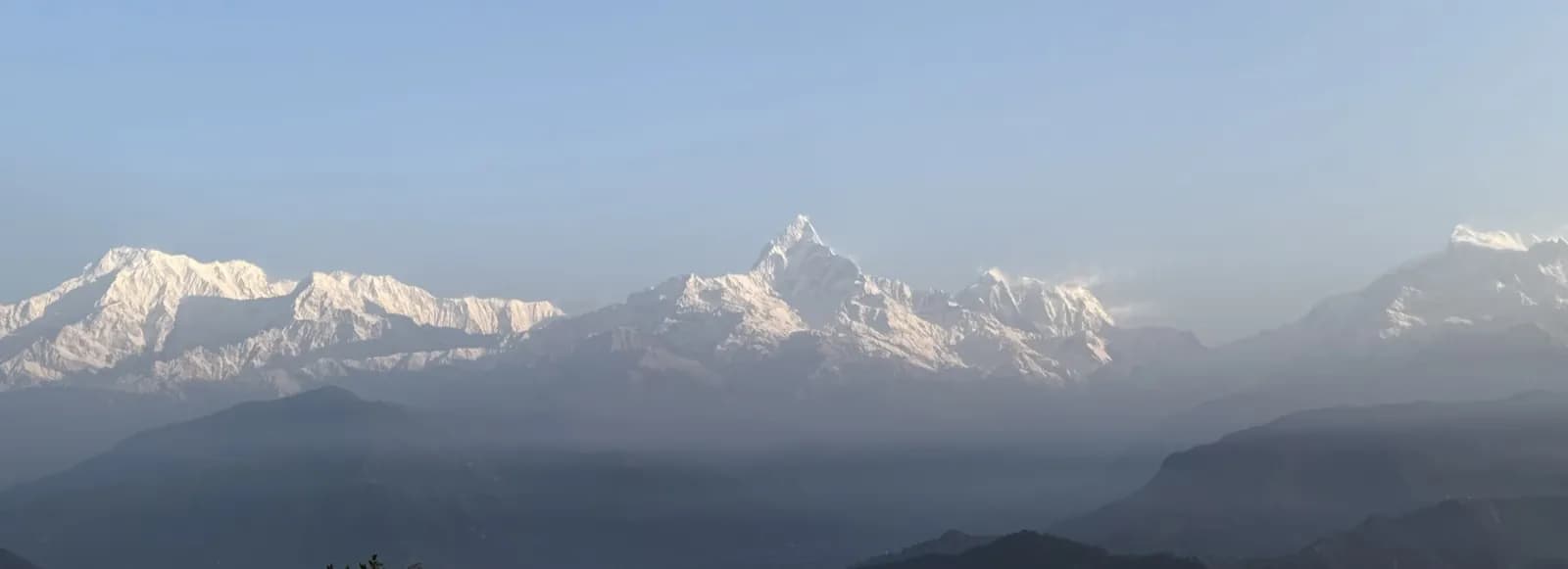
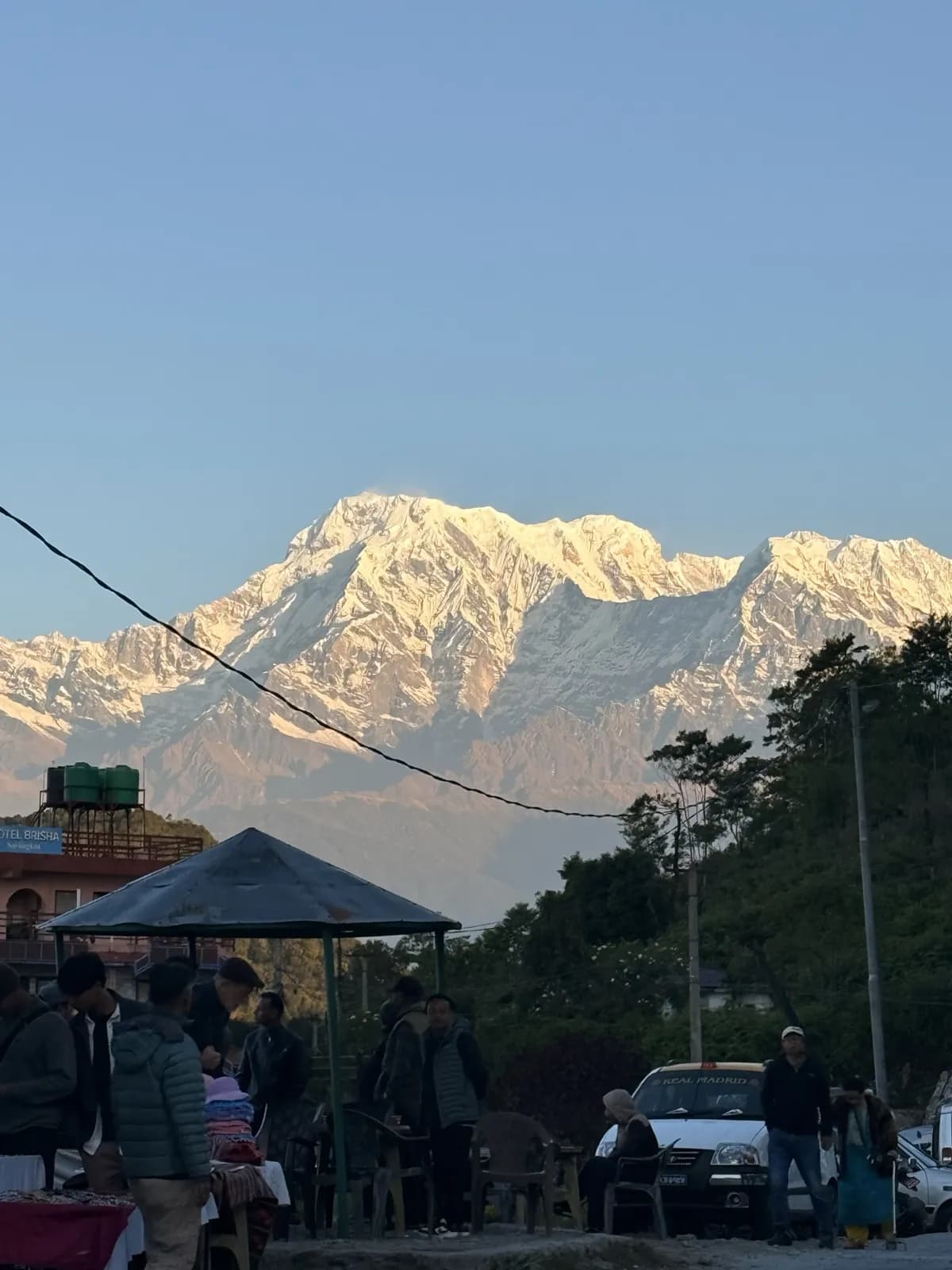
You drive up to the Sarangkot ridge at 1,600 m before six. The early start is worthwhile, as the first light reaches Machhapuchhre and Annapurna South while the lake below is still under mist. After breakfast we walk west along the ridge to Naudanda, three hours on a village path with the mountains on your right the whole way, and then drive back down.
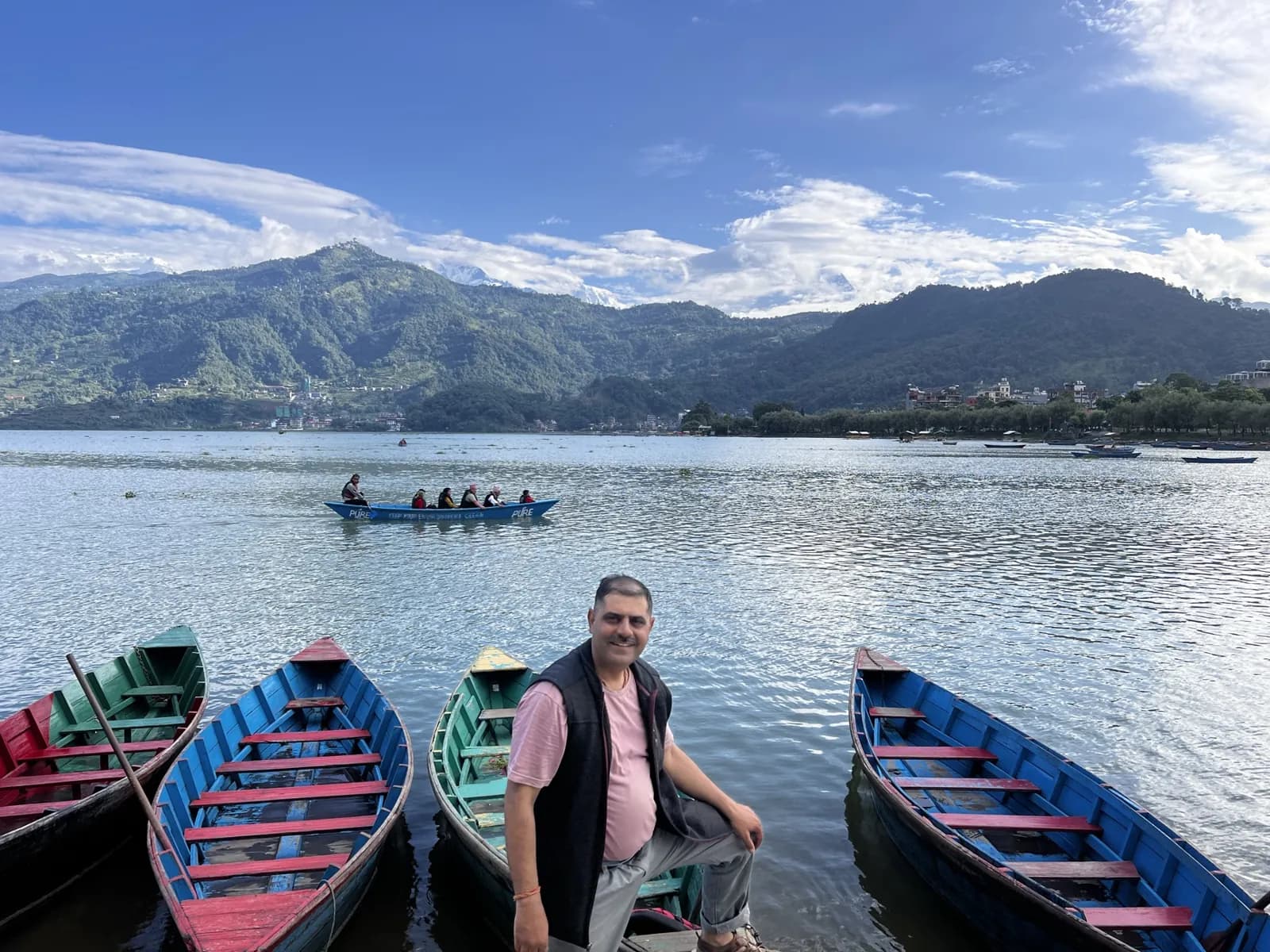
You can take a boat across Phewa Tal to the Tal Barahi temple and climb the steps to the World Peace Pagoda, visit the Tibetan settlement at Tashiling, see Devi's Fall and the Gupteshwor cave, or rest on the hotel terrace. Paragliding from Sarangkot is a popular optional extra, and we can arrange it for the morning.
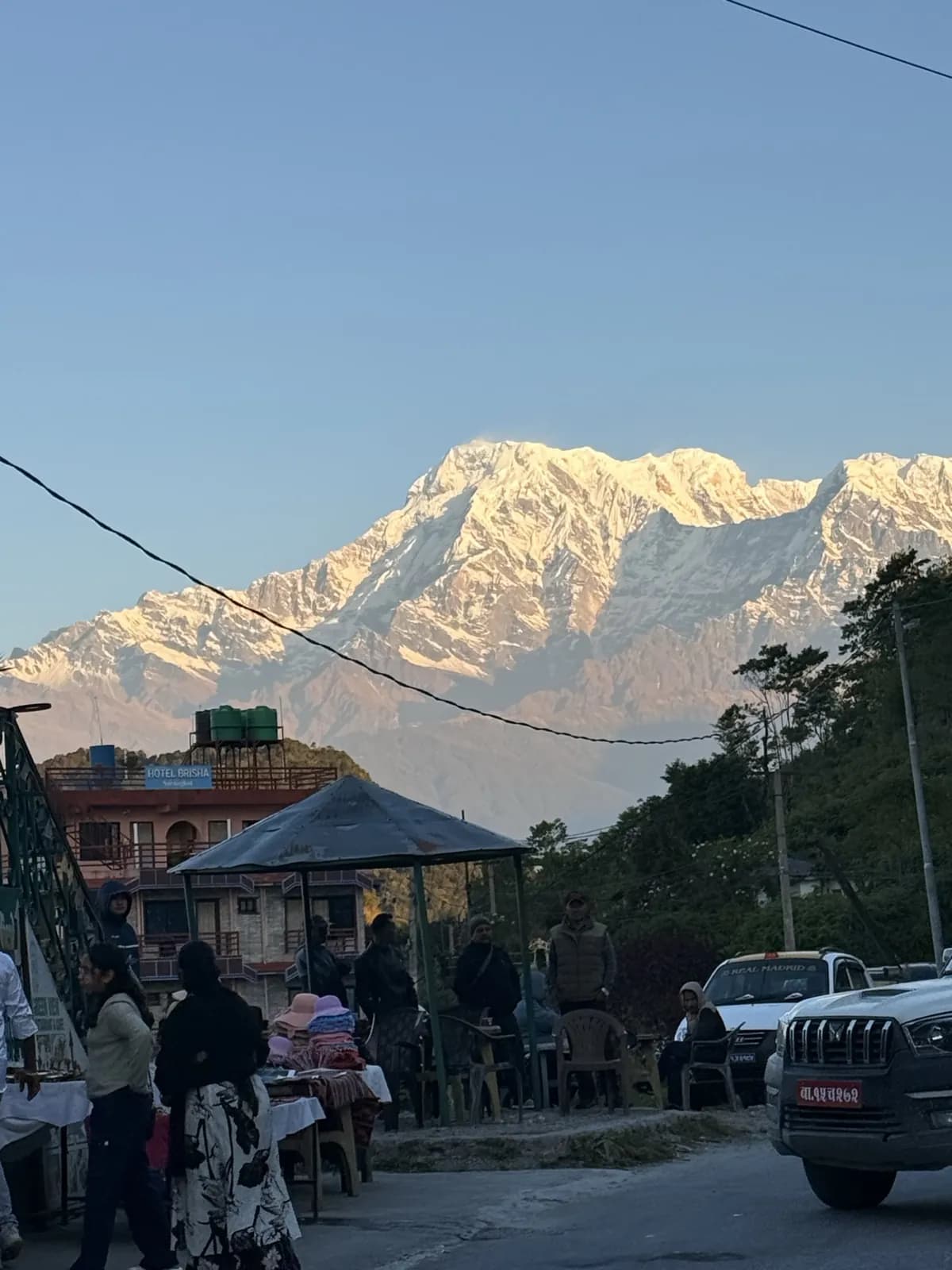
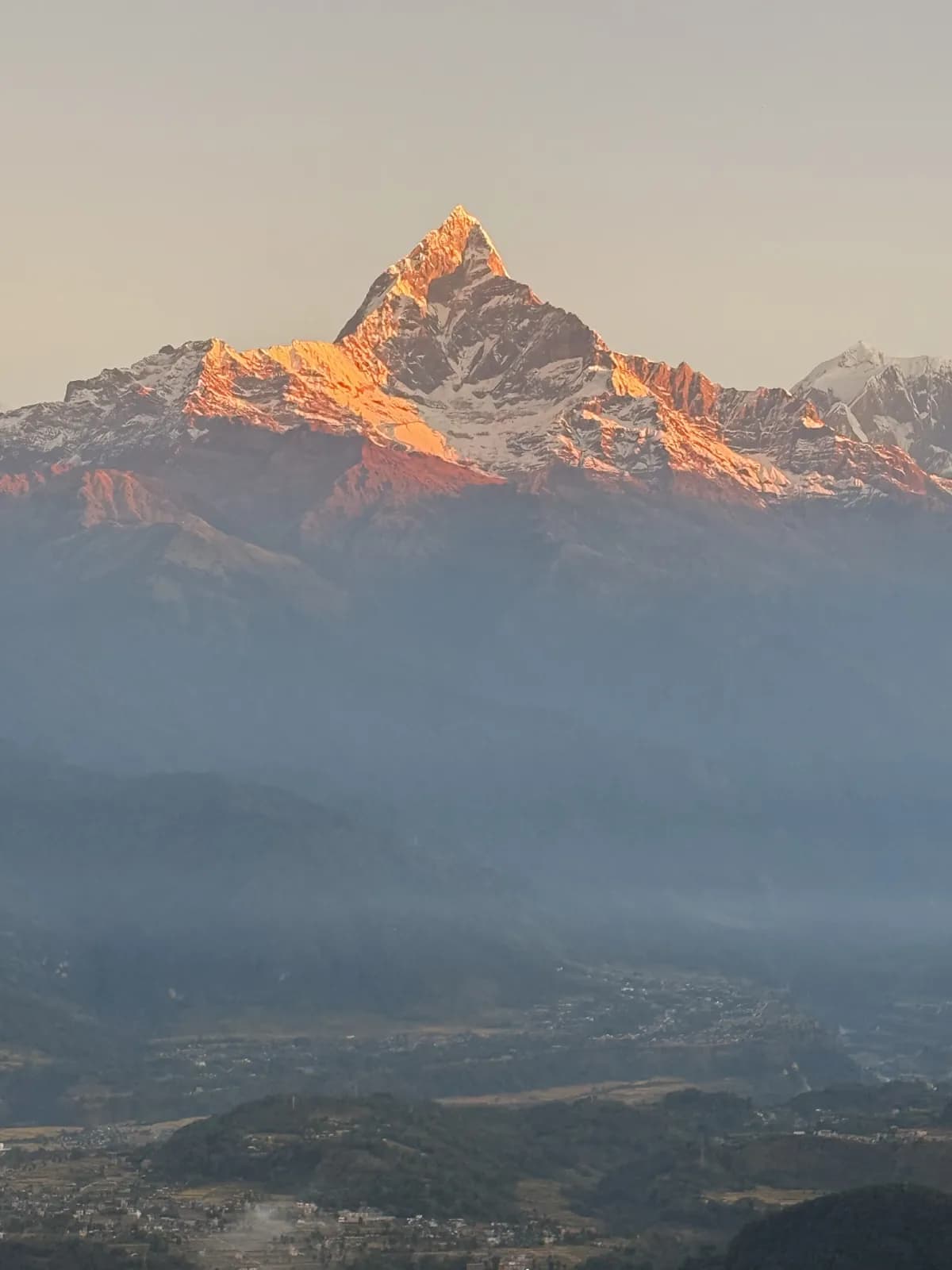
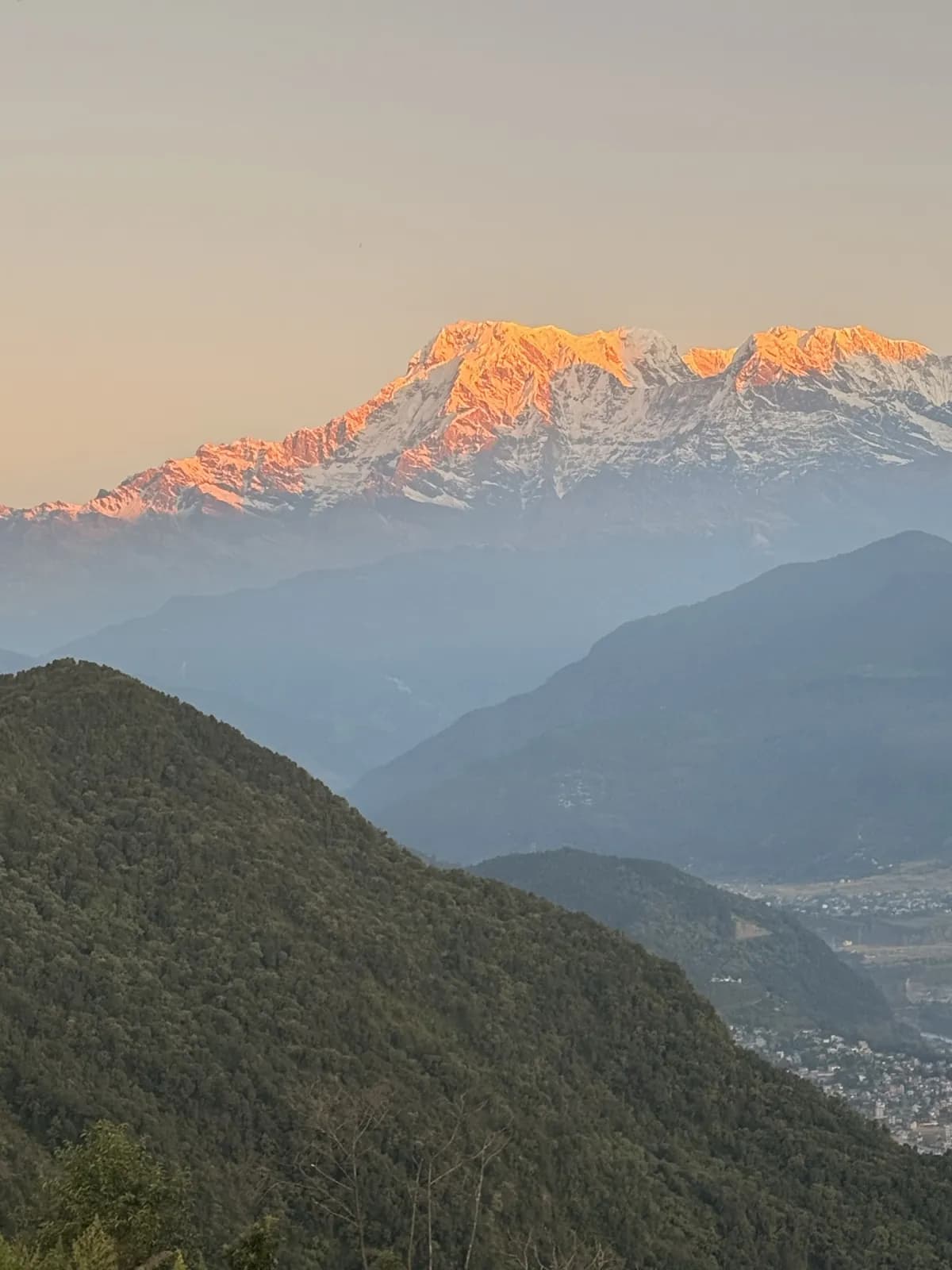
The flight takes twenty-five minutes, with the mountains visible from the left-hand windows. If the weather prevents flying, the drive takes six hours. Instead of returning to the city, we drive directly to the Nagarkot ridge at 2,175 m, an hour beyond Bhaktapur, where you can watch the evening light fade over the Himalaya.
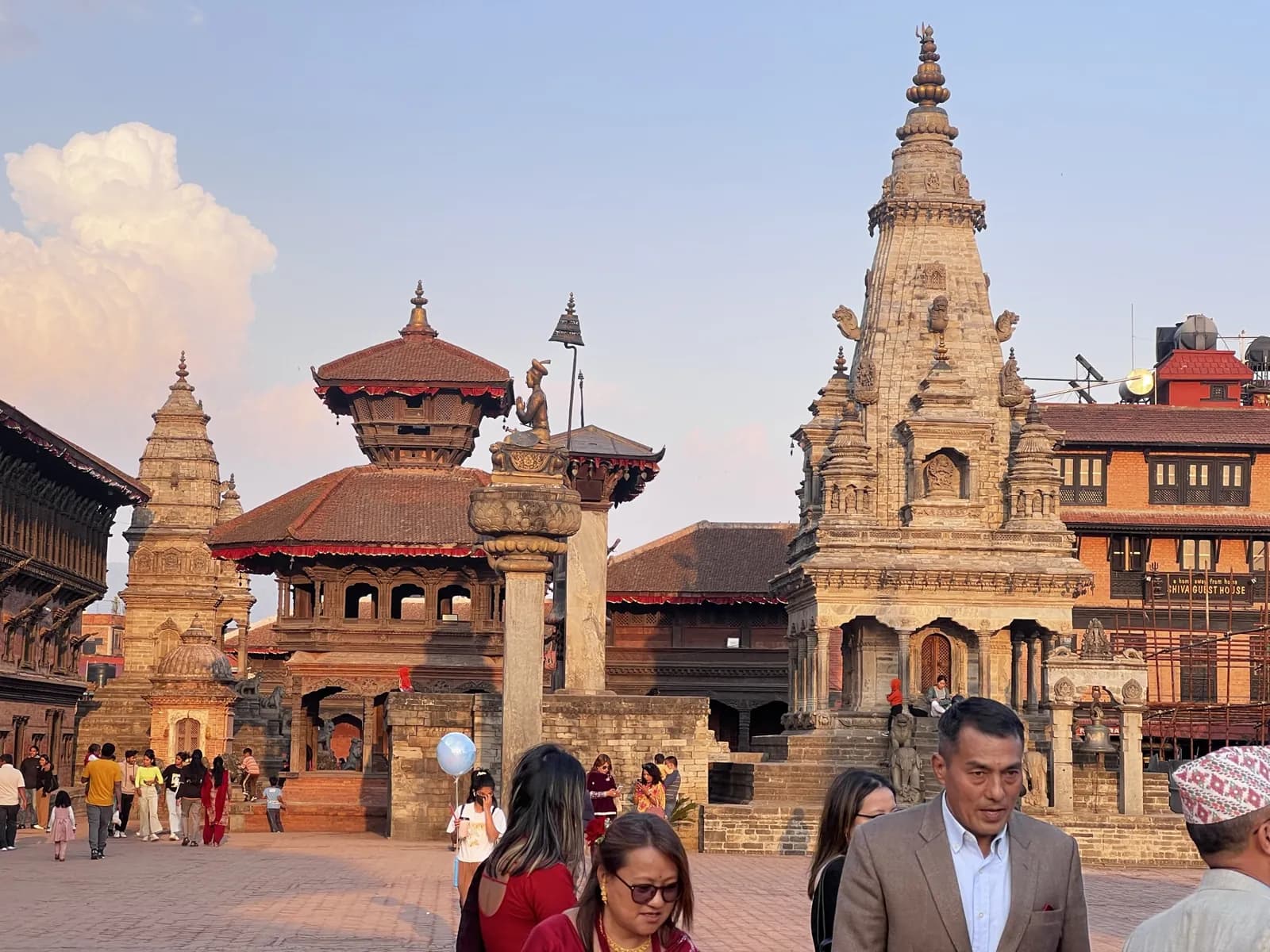
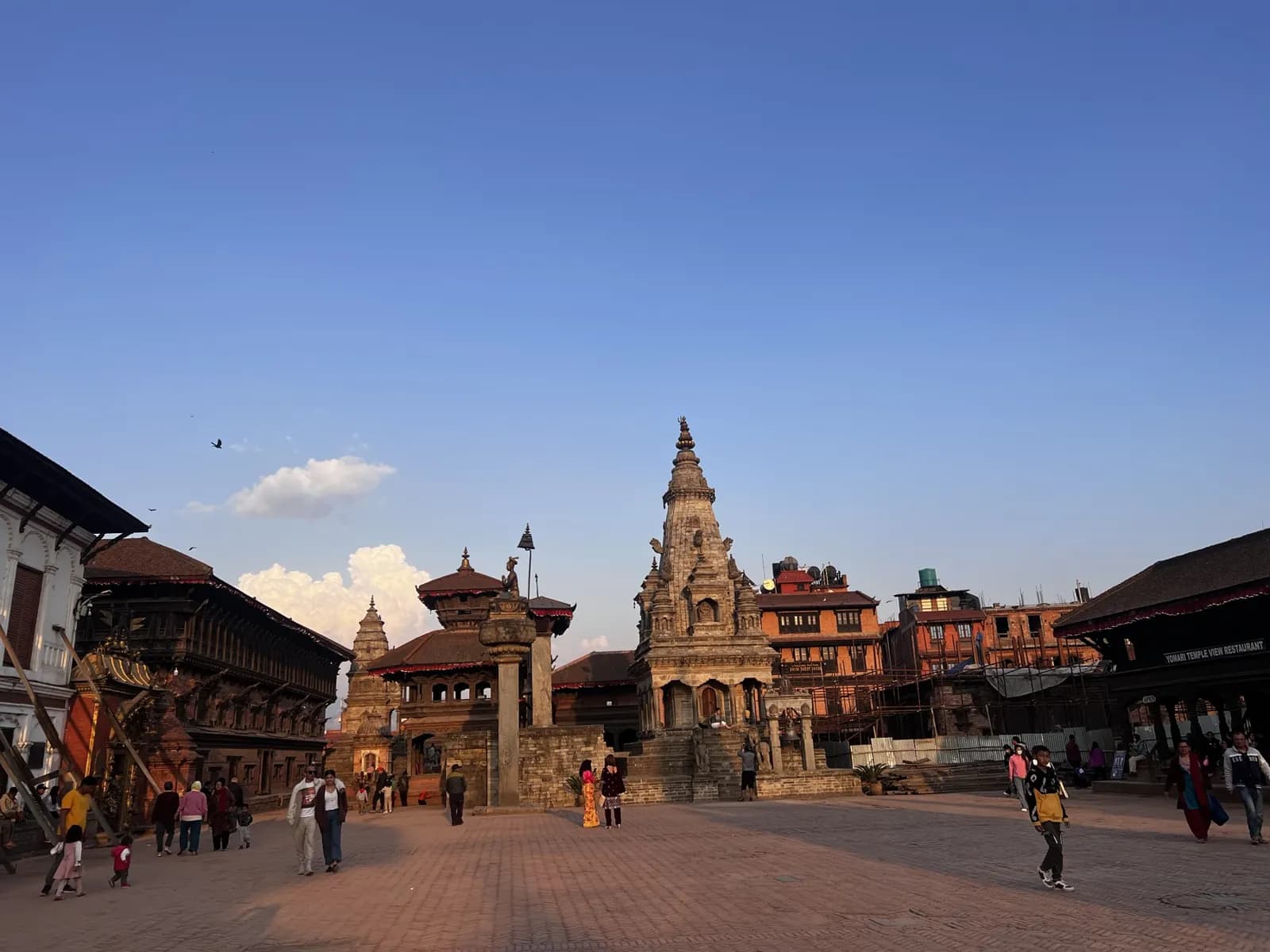
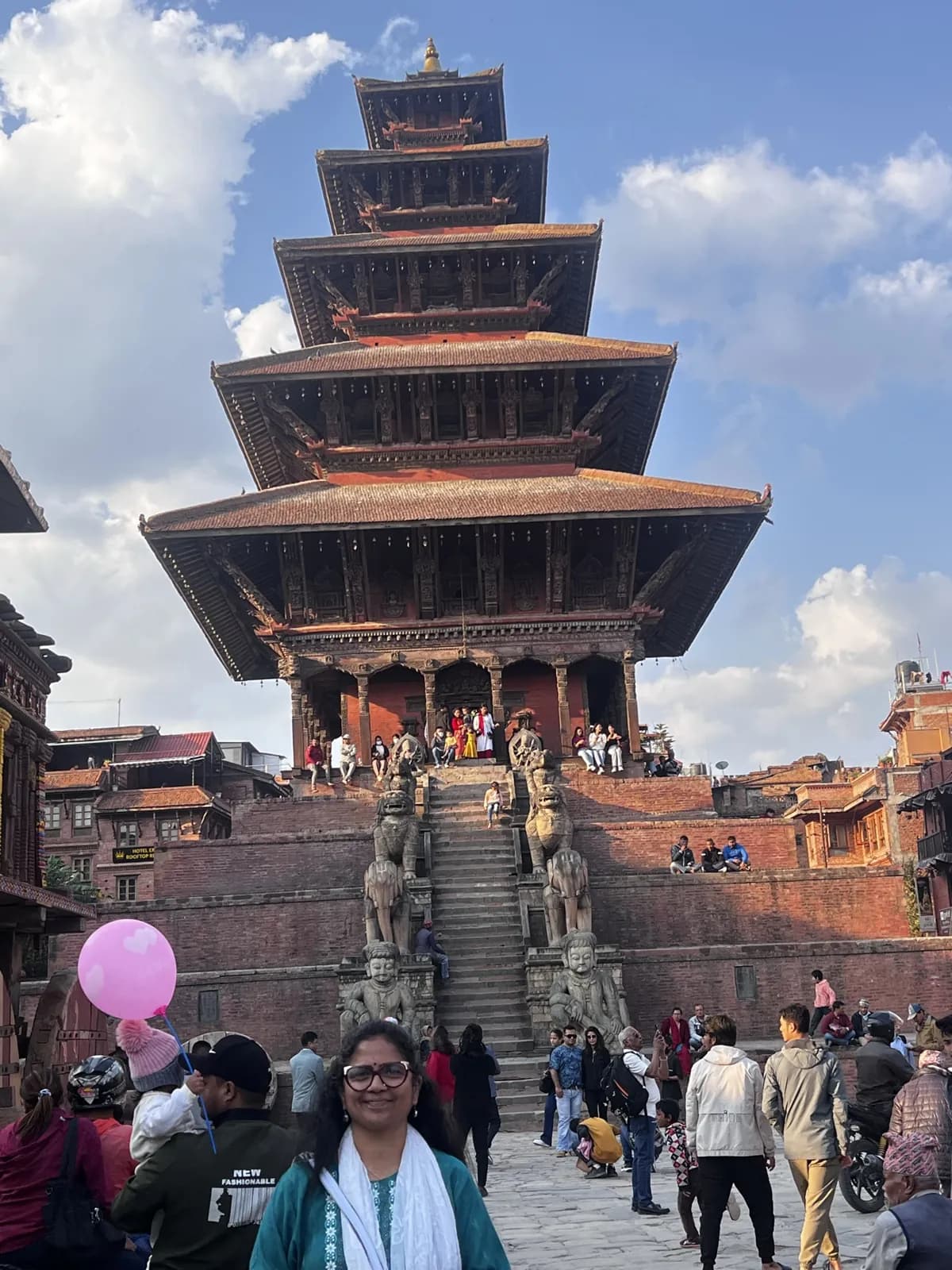
You get up before six for a final mountain view, which on a clear winter morning extends from Ganesh Himal to Everest. You spend the morning in Bhaktapur, the best preserved of the three cities. In the afternoon we take you to the airport, or back to Kathmandu if you are extending your stay.
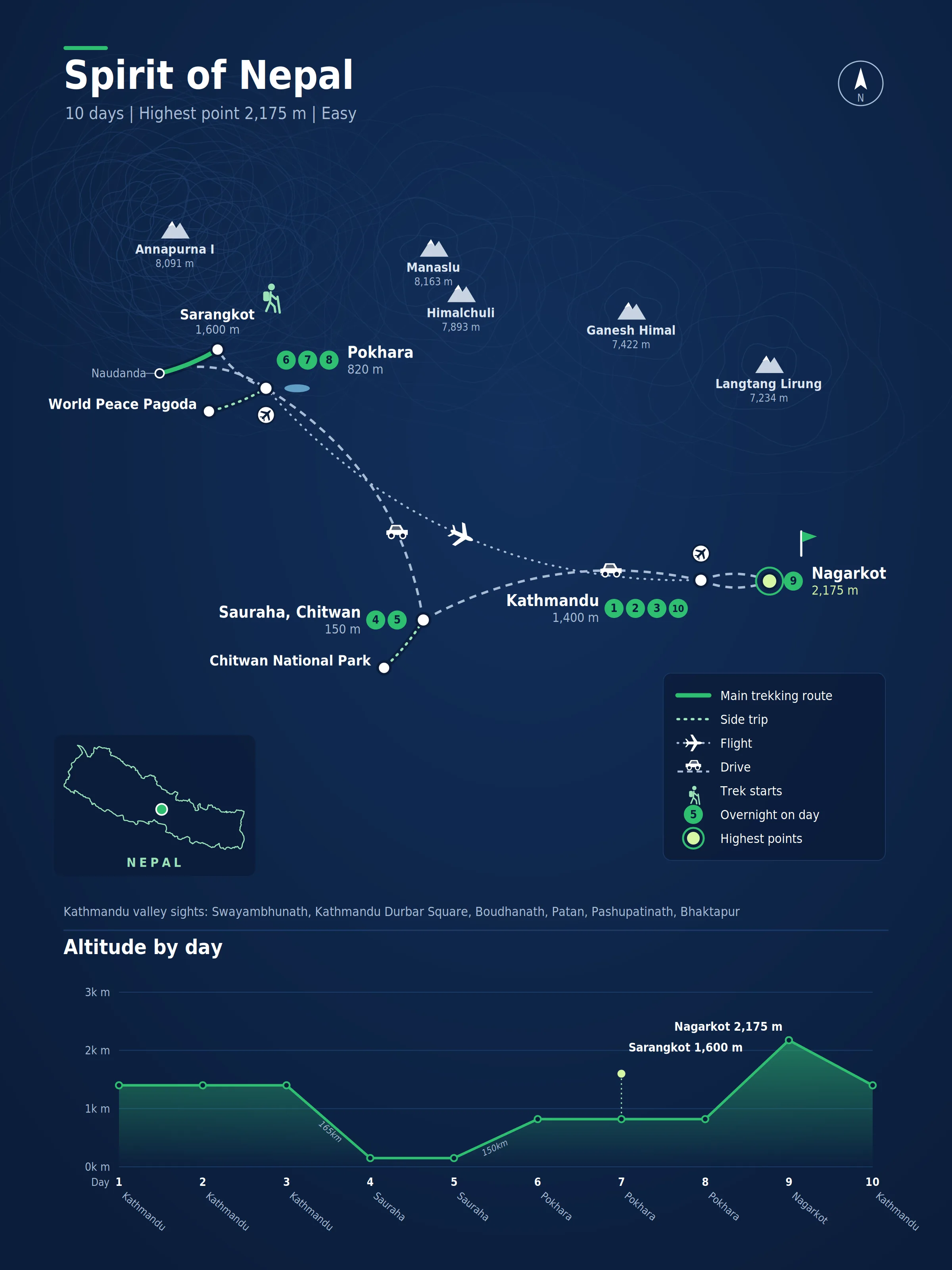
The trail from start to finish, at a glance.
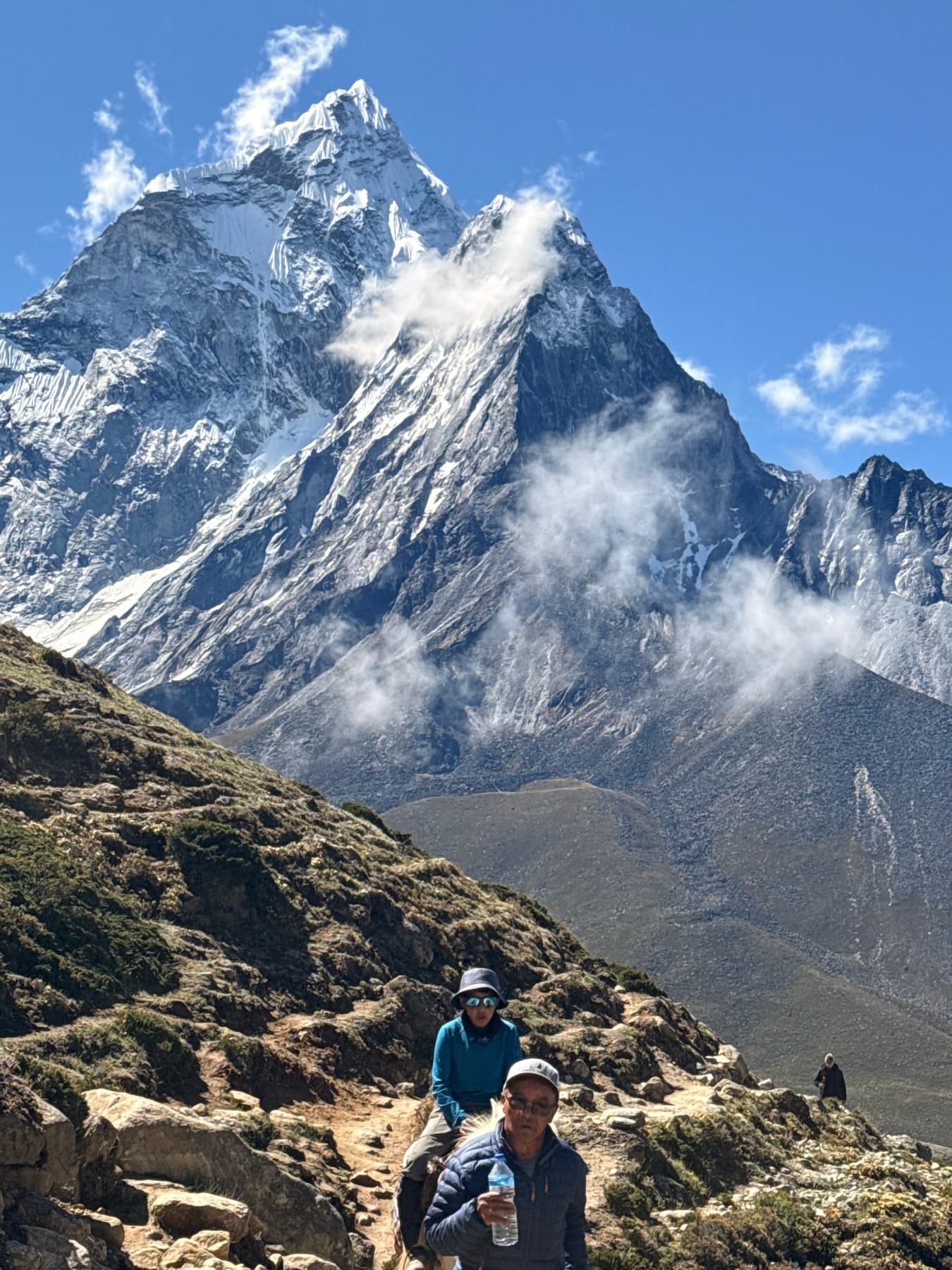
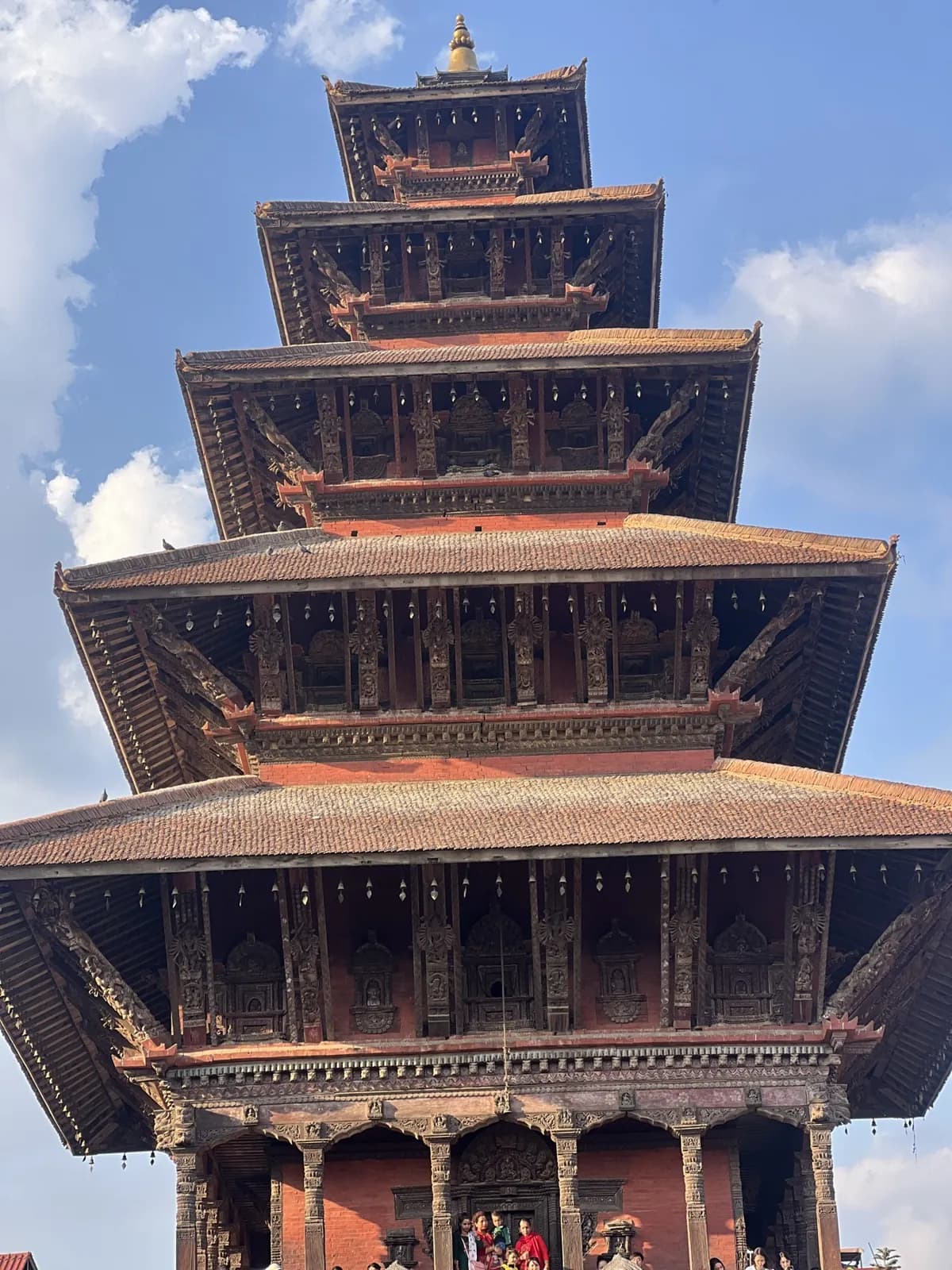
A look at the trail, the villages and the mountains.
Packing for three climates
A January morning in Kathmandu is two degrees. A Chitwan afternoon in the same week is twenty-six degrees. Sarangkot before sunrise is colder than either, and you will be standing still. Bring layers rather than one warm coat, and bring insect repellent for the lowlands. It is the item most often forgotten, and the products available in Sauraha are of poor quality.
The flights and long drives on this itinerary, and what happens if one is delayed or cancelled.
Tribhuvan International Airport is the only practical point of entry, with connections via Delhi, Doha, Dubai, Istanbul, Bangkok, Kuala Lumpur or Singapore. There are no direct flights from Europe or North America. Arrive the day before if you can, although there are no activities on day 1.
Complete the form at the kiosk, pay $30 in cash for a 15-day visa at the bank counter, and then go to immigration. Bring clean dollar notes. Indian nationals do not need a visa. Allow between forty minutes and two hours, depending on how many other flights have landed.
The flight takes twenty-five minutes, with the whole Annapurna range visible from the left-hand windows, so ask for a seat on that side at check-in. It is a small aircraft and the checked luggage allowance is 15 kg. If cloud prevents the flight, we drive instead. This takes most of the day and means missing the evening at Nagarkot, so flying is preferable.
Day 10 ends at the airport in the afternoon, after a morning in Bhaktapur. If your flight is late in the evening, we recommend booking a day room rather than waiting in the terminal. If your flight is in the morning, we bring you back to a Kathmandu hotel on the night of day 9 instead of going to Nagarkot, and we will confirm this when we see your flight details.
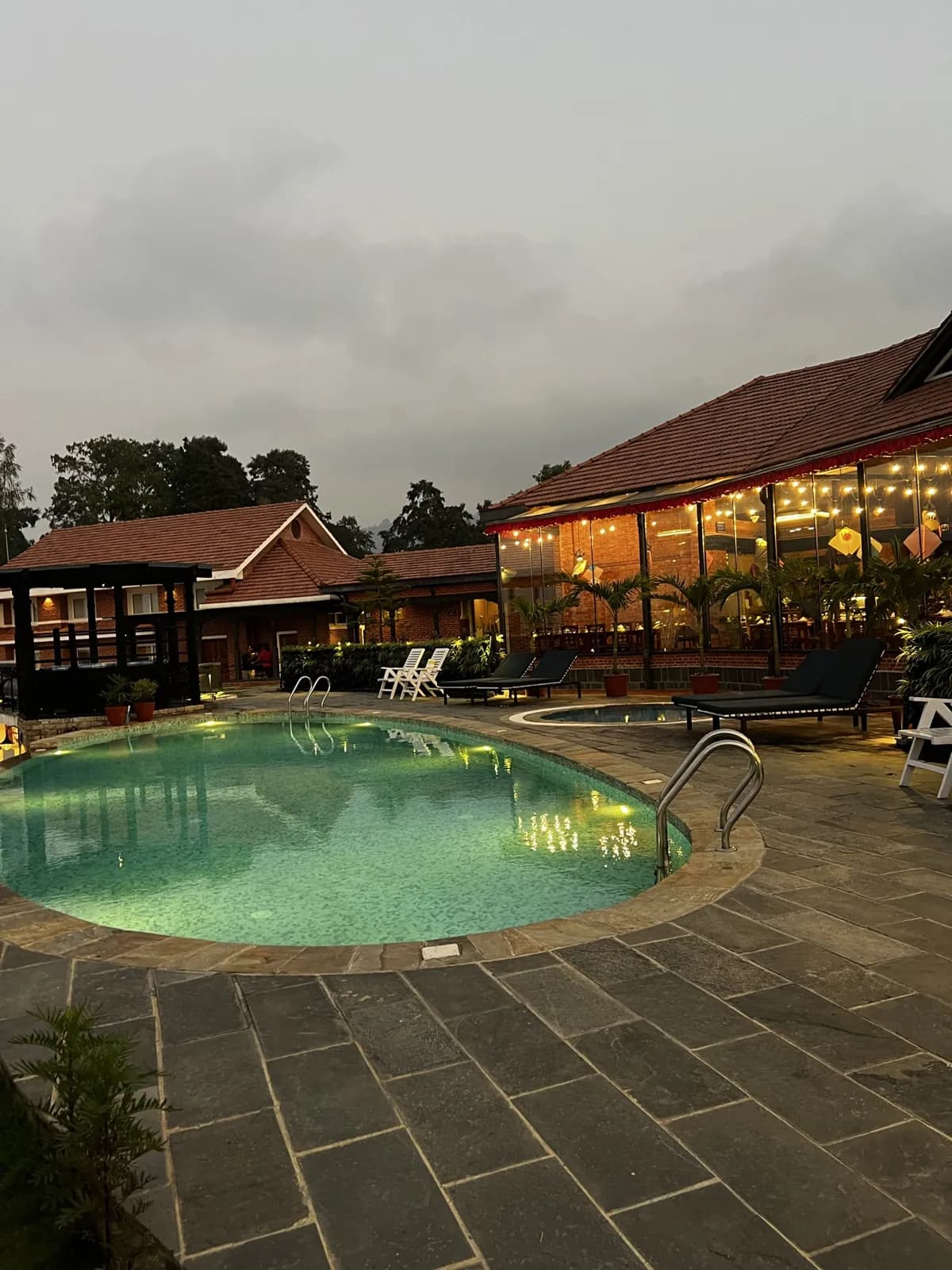
A city hotel, a jungle lodge with a pool, a lakeside room in Pokhara and a north-facing ridge hotel at Nagarkot.
| Where | Nights | Type | Room | Bathroom |
|---|---|---|---|---|
| Kathmandu | 3 | Three-star hotel in or near Thamel | Twin or double | Private, hot water |
| Chitwan, Sauraha | 2 | Jungle lodge with a garden and a pool | Twin or double cottage | Private, hot water |
| Pokhara | 3 | Hotel by Phewa Tal | Twin or double, lake-facing where available | Private, hot water |
| Nagarkot | 1 | North-facing ridge hotel | Twin or double with a mountain view | Private, hot water |
Hotel buffet in the cities, and eggs, toast and fruit at the lodge. Served earlier on the two sunrise mornings
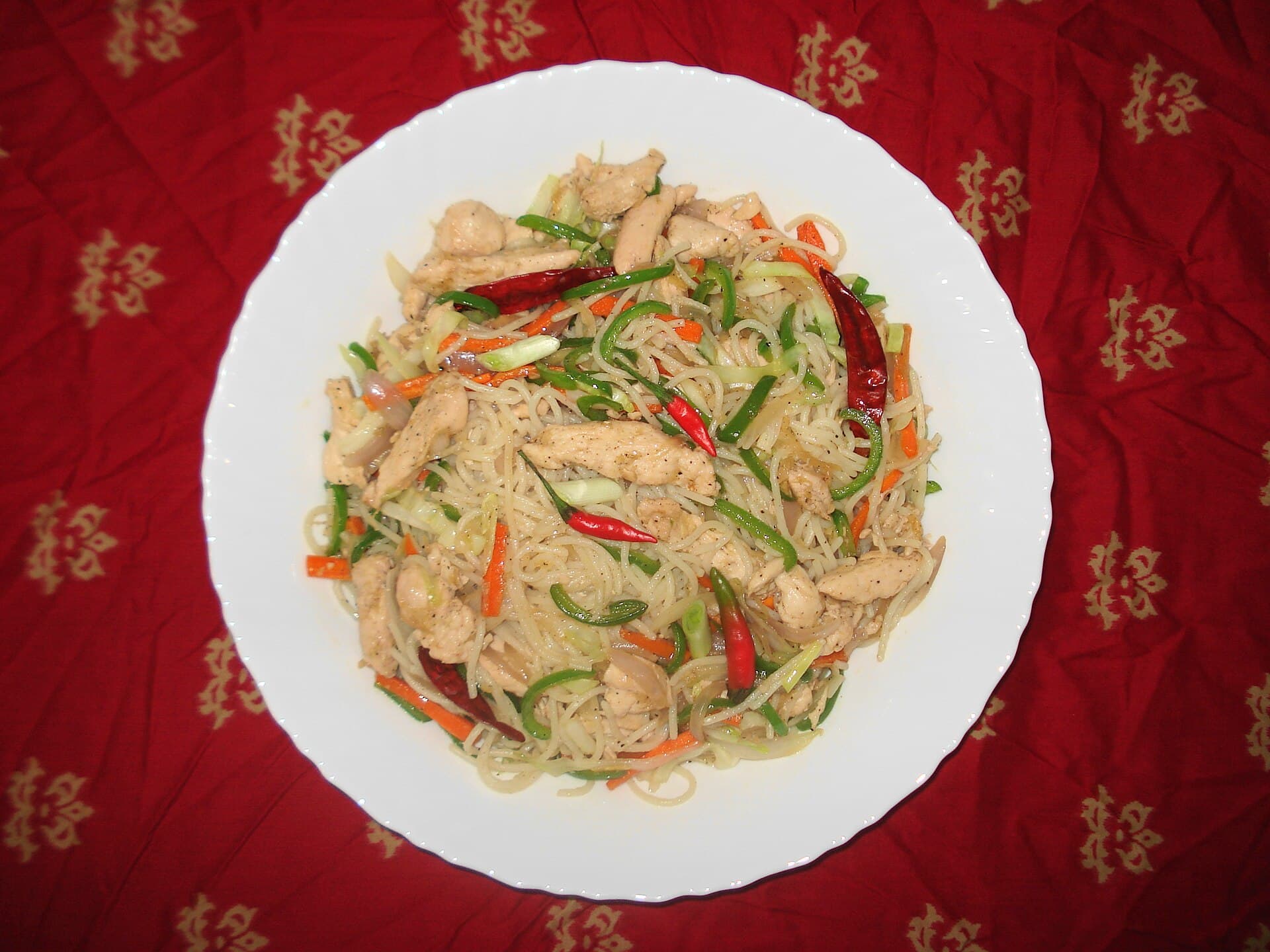
Included at the Chitwan lodge. Elsewhere, wherever the day takes you, and your guide can recommend places

Included in Chitwan and on the first and ninth nights. Otherwise paid by you, and both cities have a good choice of restaurants
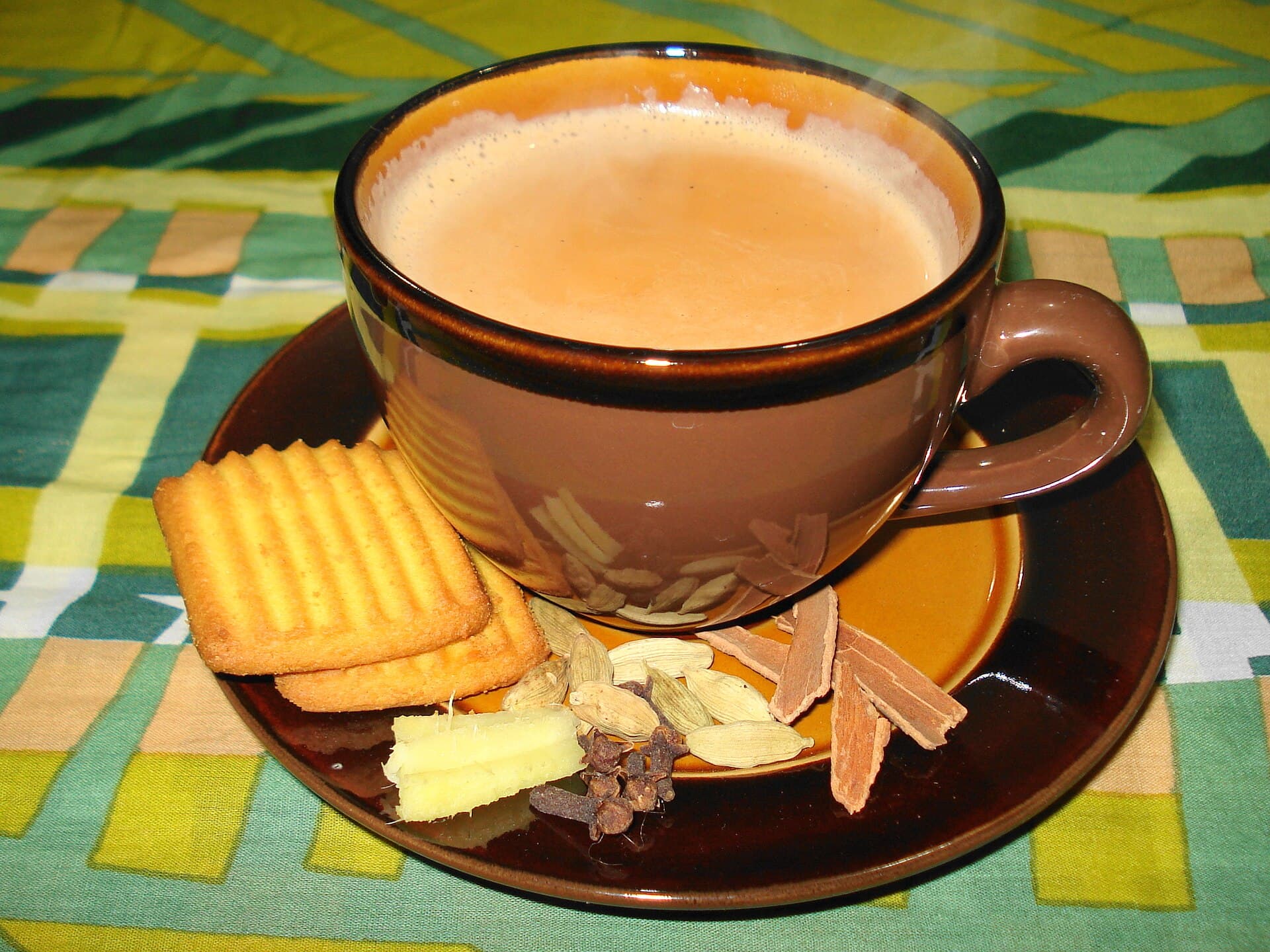
At the lodge after the jeep drive, and on a terrace in Pokhara when the mountains come into view
Early starts on the two mountain mornings and for the Chitwan canoe trip, and relaxed afternoons on the other days.
Easy. Two to four hours on foot on the busiest days, one three-hour ridge walk with no significant climbing, and a vehicle for everything else. The only demands are two early mornings and two long road days.
Written for somebody who walks a bit and does not train. If you already run or cycle regularly, start partway through. Nothing here needs a gym.
Before you book, stage 1 of 3
This is a touring holiday with one ridge walk, not a trek. If you would like several days of walking, you can add the Ghorepani trek at the Pokhara end and we will plan it as a single trip.
Chitwan is fifteen degrees warmer than Nagarkot on the same afternoon. These are the figures for the Kathmandu Valley, with the Nagarkot ridge shown alongside.
Our recommended month for this trip. Clear and warm, with the best birdlife in Chitwan.
Averages for the Kathmandu valley at 1,400 m, with the Nagarkot ridge alongside. Chitwan runs about eight degrees warmer than the valley figures all year.
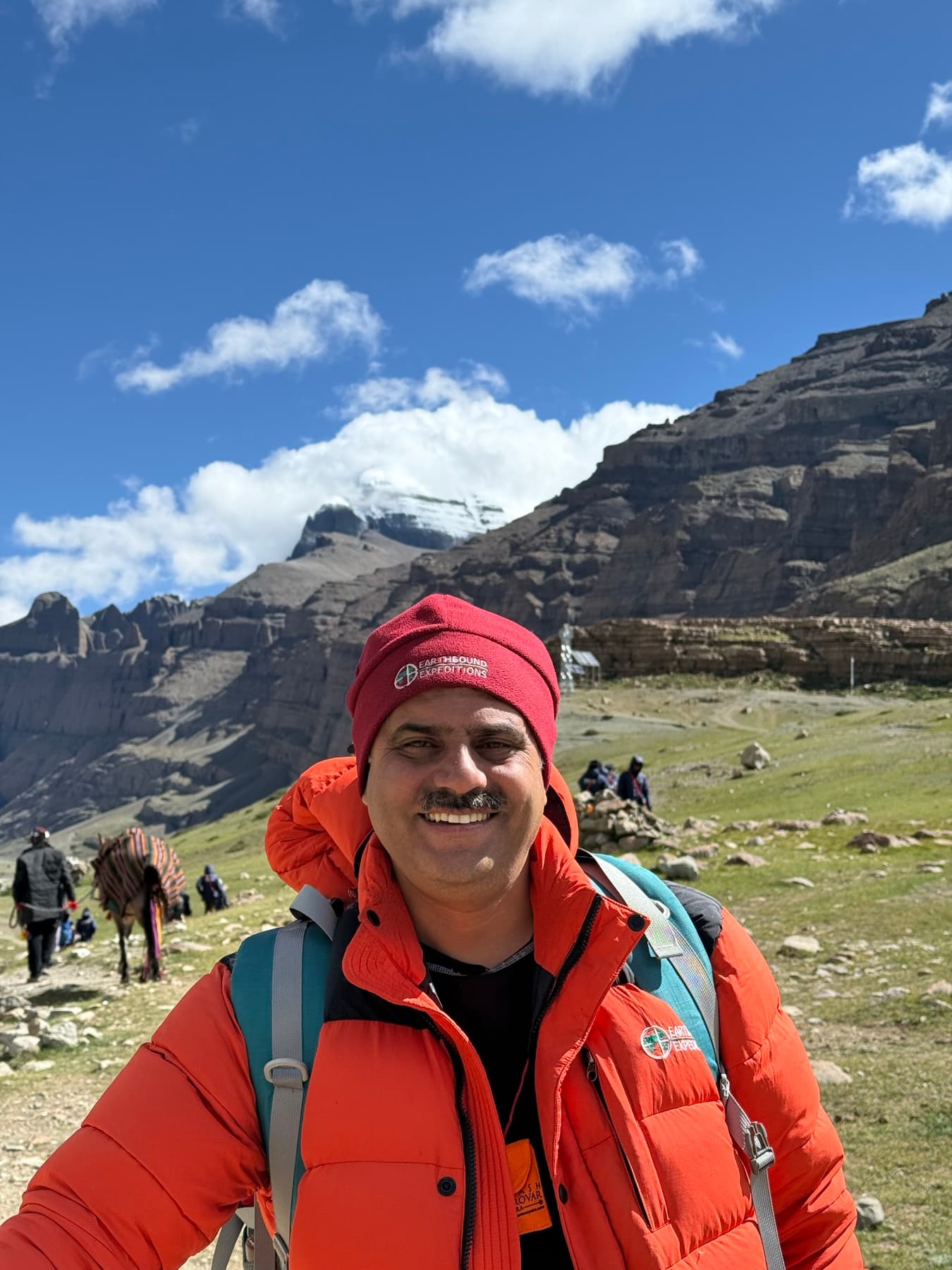
A licensed cultural guide accompanies you for the valley days and the Pokhara ridge, and a driver with a private vehicle is with you throughout. In Chitwan, the lodge's own naturalists guide you; they know where the rhinos have recently been seen. From eight travellers we add a second guide.
Two naturalists accompany the jungle walk, one leading and one at the back. Both are licensed by the park, carry a stick and are very experienced. They give a full briefing before you set off, and it is important to listen carefully.
Our guides do not take you to shops that pay them commission, and we do not work with shops that do. If you would like to buy something, tell your guide and you will be taken to a workshop where you can see it being made and the maker receives the payment.
We no longer offer elephant rides. The park still permits them and most lodges still offer them, but the concerns about chaining, training methods and back injuries are well founded. You will see elephants from a jeep and at the breeding centre, and we are happy to explain our reasons to anyone who asks.
Half of Chitwan's revenue goes to the buffer zone communities that live around the park and lose crops to its animals. This arrangement is the basis of the rhino recovery, which has increased the population from a hundred in the 1960s to more than six hundred today.
In Patan, families still cast bronze and carve wood in their own courtyards. Most of the shops on the tourist streets sell imported goods. Your guide knows the difference and will take you to the courtyard workshops.
Every hotel and lodge on this trip has filtered water for refilling your bottle. Over ten days this saves around thirty plastic bottles, in a country with limited facilities for disposing of them.
Email us or send a WhatsApp message with your arrival date and the number of travellers. We reply within a day with a confirmed itinerary and a price.
A deposit of twenty per cent secures the hotels and the lodge. The balance is due two weeks before you arrive, or on arrival in Kathmandu. Bookings for Chitwan over Christmas and New Year should be confirmed several months in advance.
If you cancel more than thirty days before arrival, your deposit can be transferred to another date within a year. Within thirty days, the lodge and flight have been paid and we retain the deposit. Within seven days, we retain half of the total price.
This is a private trip, so the itinerary can be adjusted. If you would like a third night in Chitwan, or if the weather in Pokhara turns and you would prefer to spend the time in the valley, your guide can rearrange the plan with you.
Please tell us when you book. Permits, guides and porters need a few days' notice, and a single combined itinerary costs less than booking a tour and a trek separately.
Priced per person, arranged before you travel, and none of them included in the price above.
A tandem flight of twenty to thirty minutes, launching from the ridge where you watched the sunrise and landing by the lake. It takes place on the morning of day 8. Flights need stable air, so autumn and winter are best, and the cost is refunded if the flight does not go ahead.
A one-hour flight along the range from Kathmandu with a guaranteed window seat, returning before eight. It can be added on day 2 or day 10. It depends on the weather and is refunded in full if cancelled.
This is the addition we recommend most. Two days in Chitwan is enough to see a rhino; three days allow a more relaxed pace, and the second jeep drive at dawn usually offers the best wildlife viewing of the trip.
Added to the end of the Pokhara stay rather than sold separately. Five days on a teahouse trail, with sunrise at 3,210 m over ten peaks, returning to the lake. One itinerary and one price, with the permits arranged together.
Held in a family kitchen rather than a hotel demonstration room. You shop at the market first, then cook and eat with the family. Added to day 3.
Dwarika's or the Hyatt in Kathmandu, a five-star lodge in Chitwan, a lakeside resort in Pokhara and the best hotel on the Nagarkot ridge. The itinerary stays the same.
4 versions of this journey. They use the same guides and the same lodges; what changes is the length, the comfort and how much of it you walk.
April 2026, Tripadvisor
I booked a 10-day personalised tour which included Kathmandu, Everest scenic flight, Pokhara/Sarangkot, and Chitwan, and would highly recommend Rajan/Earthbound Expeditions for anyone looking to do the same. Rajan was highly professional and knowledgable when constructing our itinerary, and the level of organisation and planning was excellent. All accommodations, transportation, guides, and airport transfers were 5-star. Rajan also included personal touches throughout my stay to make sure I got the most out of my itinerary and Nepal. I wouldn't hesitate to use Earthbound Expeditions again in the future!
February 2026, Tripadvisor
Mr. Rajan Simkhada put together a wonderful itinerary for us to explore Nepal for about a week. We all enjoyed all the beautiful sites, the mountains, the lake in Pokhara, the durbar squares in Kathmandu, Bakthapur & Patan. It was exciting to see the one horned Rhino in Chitwan. Sunrise in Sarangot was wonderful. It was once in a life time experience seeing Mt Everest when we took the mountain flight.. overall, it was a memorable trip indeed! Thank you Rajan !
November 2025, Tripadvisor
I recently was a participant in a 14 day, 14 person group tour in Nepal with Earthbound Expeditions as our local outfitter. Earthbound made recommendations in advance to create the itinerary that was a mix of trekking, cultural, and safari. We received premium service from landing in Kathmandu to departure. From individual airport pick-up (we did not arrive as a group), porter service on the trek (the porters carried our gear) to restaurant and shopping recommendations, to pharmacy & doctor/hospital visits as some of us got sick (pre-existing conditions, not due to the trip) to smoothly changing the itinerary when we learned of new things we wanted to do or see (all with a smile). The staff are warm, friendly, and most spoke fluent English. I would Highly recommend Earthbound Expeditions for all your travel needs!
November 2025, Tripadvisor
Rajan Sumkhada was our guide for this AMC Adventure Travel trip. He and the 2 leaders from AMC planned this tour of Nepal for about one and one-half years. It included the cities of Kathmandu and Pokhara, small towns of Bandipor, Ghundruck and Jhinu danda, as well as Chitwan National Park. It was a wonderful mix of culture, natural beauty and wild animals in their habitat. Rajan made it exciting, interesting and fun. All transfers, transportation, and lodging top notch. He took us to the top of the world - in the shadow of the Himalayas, beautiful sunrises and sunsets on the magnificent peaks, including Annapurna South. There were many steps to climb and a few hikes. Beautiful Buddhist temples and monasteries. A trip of a lifetime. I’m thrilled to have gone with Earthbound and highly recommend the quality.
Answers to the 12 questions travellers ask us most often. If your question is not here, contact us and we will answer it.
There is one three-hour ridge walk on day 7, on a village path with very little climbing, and three to four hours a day on foot in the cities. There is no other walking. If you would like to trek, you can add the Ghorepani circuit at the end and we will plan it as one itinerary.
There are two long road days: five to six hours to Chitwan on day 4 and five hours to Pokhara on day 6. The flight on day 9 avoids a third. Nepali roads are slow rather than long, and both drives include stops. If you are concerned about the road days, we can also arrange a flight from Kathmandu to Pokhara and reverse the order of the trip.
Very likely. Chitwan has over six hundred greater one-horned rhinos, and they graze in the grassland near Sauraha. Across the canoe trip, the walk and the jeep drive, most groups see several. Tiger sightings cannot be guaranteed, and you should not rely on any guide who promises one.
No. We no longer offer them. The park still permits elephant rides and many lodges sell them, but we use jeeps and walking instead. You will see elephants at the breeding centre and sometimes working, and we are happy to explain our reasons if you would like to discuss them.
The walk is led by two armed naturalists, one at the front and one at the back. Before you set off they give a briefing on what to do if you meet a rhino, which is to get behind a tree. Safety is taken seriously, and the three-hour walk is one of the highlights of Chitwan. If you would prefer not to walk, the jeep drive covers the same area.
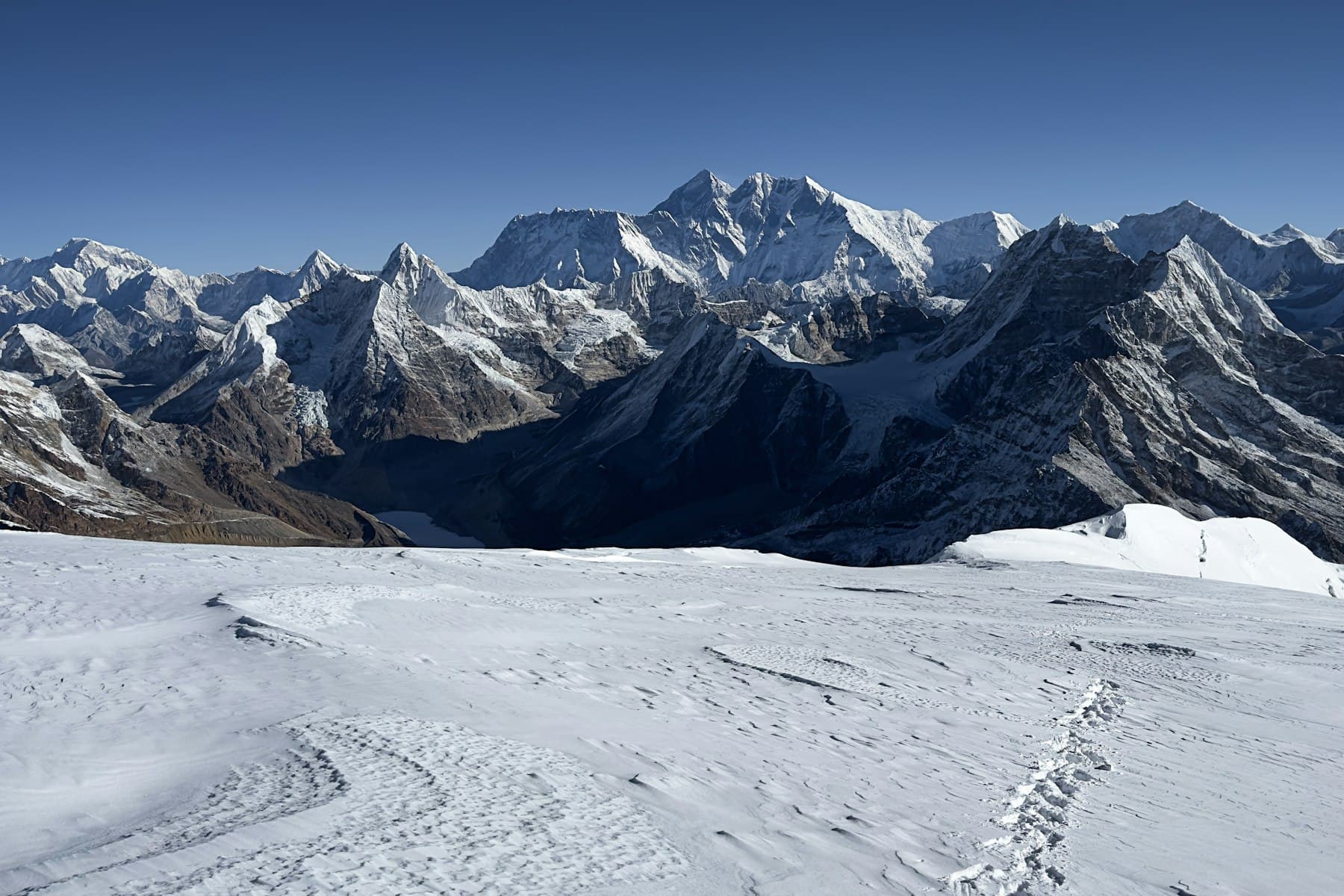
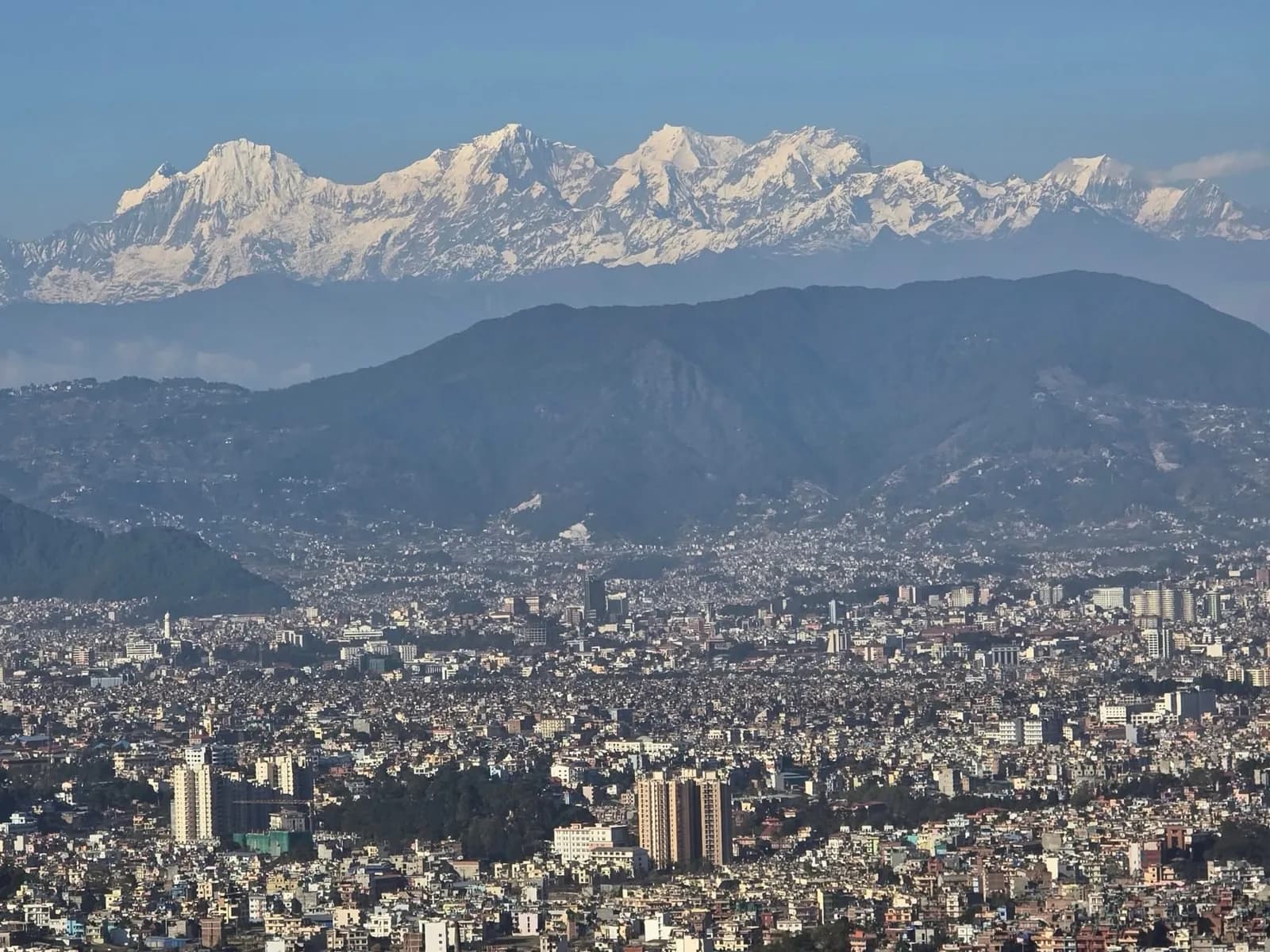
From October to April they are visible on most mornings, and in December and January on almost every morning. During the monsoon they are usually hidden by cloud. We include two mountain mornings, at Sarangkot and at Nagarkot, so that one cloudy sunrise does not mean you miss the view.
Yes, on the morning of day 8. It is the most popular addition to this trip. The tandem flight lasts twenty to thirty minutes and lands by the lake. It costs about $90 and needs one day's notice. Flights need clear, stable air, so autumn and winter mornings are best.
Comfortable three-star hotels in Kathmandu and Pokhara, a jungle lodge with a garden and a pool in Chitwan, and a north-facing ridge hotel at Nagarkot. All rooms have private bathrooms and hot water. If you would like four-star or five-star hotels, let us know and we will send you a price.
Yes, and it is the trip we recommend most often for families. The canoe trip, the jeep drive, the rhino and the boat on the lake keep children interested. Children under ten enter the valley monuments free and pay half price at the national park. Tell us their ages and we will adjust the pace.
It is private and runs on your own dates, unless you ask to join a set departure. Most bookings are for two travellers. The price per person falls considerably as numbers increase, because the vehicle and the guide cost the same regardless of group size.
October and November offer clear air and warm weather. February and March are best for mountain views and for birds in Chitwan. December and January are the clearest and coldest months, and mornings in Chitwan are foggy until nine. April is hot in the lowlands and hazy in the hills.
Yes. Kathmandu is the usual starting point for both. Bhutan requires the daily fee and a flight booked well in advance. Tibet requires a group visa and about three weeks of lead time. Please tell us when you book rather than once you are in Nepal.
Didn't find what you were looking for?
Search every word on this page, or ask somebody who has walked the route.
10 days
$1,187 per person