
from$467
Holi & Festival Cultural Tour
Celebrate the festival of colours across the living heritage cities of the Kathmandu Valley, with temples, palaces and local feasts.
- Duration
- 6 days
- Best time
- March, on the day of Falgun Purnima
- From
- $497
- Play Holi with local families
- UNESCO Durbar Squares tour
- Boudhanath & Pashupatinath temples
All treks
- Everest Base Camp16 days
- Annapurna Circuit14 days
- Manaslu Circuit15 days
- Upper Mustang20 days
- Langtang Valley10 days
- Kanchenjunga Trek
- Dolpo Region Trek
- Makalu Trek
Classic Everest Base Camp Trek
Follow the legendary trail through Sherpa villages, glacial moraines and Buddhist monasteries to the foot of the world's highest mountain.
- Duration
- 16 days
- Best time
- Mar to May, Sep to Nov
- From
- $1,867
- Stand at Everest Base Camp (5,364 m)
- Sunrise from Kala Patthar viewpoint
- Namche Bazaar & Tengboche Monastery
All expeditions
- Island Peak Climbing6,189 m
- Cho-Oyu Expedition8,188 m
- Mt Meru Climb
- Himchuli Peak6,441 m
- Chulu West Expedition
Island Peak Climbing
An ideal introduction to Himalayan mountaineering - combine the Everest trail with a guided ascent of Imja Tse (Island Peak).
- Duration
- 20 days
- Best time
- Apr to May, Oct to Nov
- From
- $2,697
- Summit Island Peak (6,189 m)
- Full climbing & rope training
- Everest Base Camp acclimatisation
All destinations
All destinationsUpper Mustang - A Lost Tibetan Kingdom
Journey into the walled city of Lo Manthang, a preserved fragment of ancient Tibet with ochre cliffs, cave monasteries and living Buddhist tradition.
- Duration
- 20 days
- Best time
- Mar to Nov
- From
- $2,387
- Walled capital of Lo Manthang
- Ancient cave monasteries & gompas
- Trans-Himalayan desert scenery
Lhasa and Everest Base Camp Tibet Tour
- Duration
- 12 days, 6 of them driving across the plateau
- Grade
- Moderate, 3 of 5, and all of it is altitude rather than effort
- Max altitude
- 5,236 m (17,180 ft) at the Gyatso La, 5,200 m (17,060 ft) at Everest
- Start and end
- Kathmandu to Kathmandu, overland in and flying out
- On foot
- An hour a day at most. This is a tour, not a trek
- Best season
- April to October, and never March
- Accommodation
- Hotels throughout, and a guesthouse at Rongbuk
- Meals
- Full board from day 3
- Group size
- Up to 4 on this itinerary, and never fewer than 5 on the visa
- Getting there
- Drive in over the Kerung border, fly out from Lhasa
Overview
Overland from Kathmandu across the Tibetan plateau to the north face of Everest, then east through Shigatse and Gyantse to Lhasa. The only Everest Base Camp you can reach in a vehicle.
What the journey is
The whole width of southern Tibet by road, from the Nepali border to Lhasa, taking in the north side of Everest on the way. You drive over the Himalaya on day 4, spend a night at Rongbuk under the north face, and then work east through Shigatse and Gyantse to Lhasa over two 5,000 m passes. Six of the twelve days are driving days, which is what crossing a plateau the size of western Europe actually involves.
The Everest you can drive to
This is the only Everest Base Camp anybody reaches in a vehicle, and it is a genuinely different mountain from the Nepali one. On the south side you walk for ten days to stand on moraine at 5,364 m under the icefall, where you cannot actually see the summit. Here a road takes you up the Rongbuk valley to 5,200 m and Everest stands at the head of it with nothing in the way, three and a half vertical kilometres of it, framed by the valley walls. It is the definitive view of the mountain and you did nothing to earn it.
Who it suits
Somebody who wants Tibet rather than a trek. There is no walking to speak of: an hour at Rongbuk, some stairs at the Potala, a circuit of the Barkhor. What it asks for instead is a tolerance for long days in a vehicle at altitude, and an interest in monasteries, because after Everest the trip is substantially about them. It also suits people who cannot walk ten days to Base Camp and still want to see Everest properly, which is a larger group than the trekking industry likes to admit.
Why this direction
West to east, driving in and flying out, and it is the better way round for two reasons. It gains altitude gradually by road over three days instead of dropping you at 3,656 m off a flight into Lhasa, which is materially safer. And it puts Everest on day 5, before the monasteries, so the highest and coldest night comes while you are fresh rather than at the end of a fortnight.
Trip highlights
- Rongbuk and the north face, reached by road
- The Potala Palace and Jokhang temple in Lhasa
- Tashilhunpo at Shigatse and the Kumbum at Gyantse
- Two 5,000 m passes and the whole width of the plateau
The whole journey on one screen
Twelve days, six of them driving. Read the hours column rather than the altitude one: this trip is long days in a vehicle punctuated by the best things in Tibet.
| Day | Route | Walking | Altitude |
|---|---|---|---|
| Day 1 | Arrive Kathmandu | — | 1,400 m (4,590 ft) |
| Day 2 | Kathmandu valley sites | — | 1,400 m (4,590 ft) |
| Day 3 | Drive to the Kerung border | 7–8 hrs | 2,800 m (9,190 ft) |
| Day 4 | Over the Gyatso La to Tingri | 5–6 hrs | 4,300 m (14,110 ft) |
| Day 5 | Rongbuk and the Everest viewpoint | 3–4 hrs | 5,200 m (17,060 ft) |
| Day 6 | Rongbuk to Shigatse | 7–8 hrs | 3,900 m (12,800 ft) |
| Day 7 | Tashilhunpo, then Gyantse and the Kumbum | 2 hrs | 3,977 m (13,050 ft) |
| Day 8 | Over the Karo La and Kamba La to Lhasa | 7–8 hrs | 5,010 m (16,440 ft) |
| Day 9 | Potala Palace and the Jokhang | — | 3,656 m (11,990 ft) |
| Day 10 | Drepung, Sera and the Norbulingka | — | 3,656 m (11,990 ft) |
| Day 11 | Fly Lhasa to Kathmandu | 1h 35m | 1,400 m (4,590 ft) |
| Day 12 | Fly home | — | — |
- Day 1
- Route
- Arrive Kathmandu
- Walking
- —
- Altitude
- 1,400 m (4,590 ft)
- Day 2
- Route
- Kathmandu valley sites
- Walking
- —
- Altitude
- 1,400 m (4,590 ft)
- Day 3
- Route
- Drive to the Kerung border
- Walking
- 7–8 hrs
- Altitude
- 2,800 m (9,190 ft)
- Day 4
- Route
- Over the Gyatso La to Tingri
- Walking
- 5–6 hrs
- Altitude
- 4,300 m (14,110 ft)
- Day 5
- Route
- Rongbuk and the Everest viewpoint
- Walking
- 3–4 hrs
- Altitude
- 5,200 m (17,060 ft)
- Day 6
- Route
- Rongbuk to Shigatse
- Walking
- 7–8 hrs
- Altitude
- 3,900 m (12,800 ft)
- Day 7
- Route
- Tashilhunpo, then Gyantse and the Kumbum
- Walking
- 2 hrs
- Altitude
- 3,977 m (13,050 ft)
- Day 8
- Route
- Over the Karo La and Kamba La to Lhasa
- Walking
- 7–8 hrs
- Altitude
- 5,010 m (16,440 ft)
- Day 9
- Route
- Potala Palace and the Jokhang
- Walking
- —
- Altitude
- 3,656 m (11,990 ft)
- Day 10
- Route
- Drepung, Sera and the Norbulingka
- Walking
- —
- Altitude
- 3,656 m (11,990 ft)
- Day 11
- Route
- Fly Lhasa to Kathmandu
- Walking
- 1h 35m
- Altitude
- 1,400 m (4,590 ft)
- Day 12
- Route
- Fly home
- Walking
- —
- Altitude
- —
How the journey climbs, entirely in a vehicle
There is not one day on this chart where the height was walked to. That is the whole altitude story of the trip, and it is why day 5 sleeping at 4,980 m at Rongbuk, higher than any bed on the Everest trek except Gorak Shep, deserves more respect than a road makes it feel it does.
Dates and prices
| Dates | Season | Places | Price | |
|---|---|---|---|---|
| 10 Apr 2027 to 21 Apr 2027 | Spring 2027 | 2 places left | $3,687 | Reserve |
| 8 May 2027 to 19 May 2027 | Spring 2027 | Just opened | $3,687 | Reserve |
| 12 Jun 2027 to 23 Jun 2027 | Summer 2027 | 3 places left | $3,687 | Reserve |
| 10 Jul 2027 to 21 Jul 2027 | Summer 2027 | Just opened | $3,587 | Reserve |
| 7 Aug 2027 to 18 Aug 2027 | Summer 2027 | Just opened | $3,587 | Reserve |
| 4 Sep 2027 to 15 Sep 2027 | Autumn 2027 | 2 places left | $3,687 | Reserve |
| 2 Oct 2027 to 13 Oct 2027 | Autumn 2027 | Just opened | $3,687 | Reserve |
| 16 Oct 2027 to 27 Oct 2027 | Autumn 2027 | Just opened | $3,687 | Reserve |
| 15 Apr 2028 to 26 Apr 2028 | Spring 2028 | Just opened | $3,687 | Reserve |
| 9 Sep 2028 to 20 Sep 2028 | Autumn 2028 | Just opened | $3,687 | Reserve |
- 10 Apr 2027 to 21 Apr 2027
- Season
- Spring 2027
- Places
- 2 places left
- Price
- $3,687
- 8 May 2027 to 19 May 2027
- Season
- Spring 2027
- Places
- Just opened
- Price
- $3,687
- 12 Jun 2027 to 23 Jun 2027
- Season
- Summer 2027
- Places
- 3 places left
- Price
- $3,687
- 10 Jul 2027 to 21 Jul 2027
- Season
- Summer 2027
- Places
- Just opened
- Price
- $3,587
- 7 Aug 2027 to 18 Aug 2027
- Season
- Summer 2027
- Places
- Just opened
- Price
- $3,587
- 4 Sep 2027 to 15 Sep 2027
- Season
- Autumn 2027
- Places
- 2 places left
- Price
- $3,687
- 2 Oct 2027 to 13 Oct 2027
- Season
- Autumn 2027
- Places
- Just opened
- Price
- $3,687
- 16 Oct 2027 to 27 Oct 2027
- Season
- Autumn 2027
- Places
- Just opened
- Price
- $3,687
- 15 Apr 2028 to 26 Apr 2028
- Season
- Spring 2028
- Places
- Just opened
- Price
- $3,687
- 9 Sep 2028 to 20 Sep 2028
- Season
- Autumn 2028
- Places
- Just opened
- Price
- $3,687
Why there is nothing here in March
Tibet routinely closes to foreign visitors for the whole of March and sometimes into early April, around the anniversary of the 1959 uprising, and the closure is announced with days of notice or none at all. We do not schedule anything into it and we would advise against booking a March departure with anybody who does. Outside that, private departures on your own dates are possible from a party of five, which is the group visa minimum rather than ours.
Ask for your own datesWhat it costs by party size
A guide and a porter cost the same whether they walk with one of you or eight, so the price per person falls as the party grows. Every one of these runs, including the first.
| Party size | Notes | Per person |
|---|---|---|
| Fewer than 5 | not possible: the Kathmandu group visa needs a party of five | $0 |
| 5 to 8 | the published price, in a Land Cruiser | $3,687 |
| 9 to 15 | a minibus, and a second guide | $3,390 |
| 16 or more | a coach. Comfortable on the tarmac and less good on the Rongbuk switchbacks | $3,190 |
- Fewer than 5
- Notes
- not possible: the Kathmandu group visa needs a party of five
- Per person
- $0
- 5 to 8
- Notes
- the published price, in a Land Cruiser
- Per person
- $3,687
- 9 to 15
- Notes
- a minibus, and a second guide
- Per person
- $3,390
- 16 or more
- Notes
- a coach. Comfortable on the tarmac and less good on the Rongbuk switchbacks
- Per person
- $3,190
Itinerary
Day by day, with where you sleep and how far you walk.
Met at the airport and taken to your hotel. In the evening we go through the trip and, more importantly, the paperwork: your group visa is collected in Kathmandu and the permits are already issued in your name.
- Altitude
- 1,400 m (4,590 ft)
- On foot
- —
- Night in
- Hotel, Kathmandu
- Meals
- Dinner
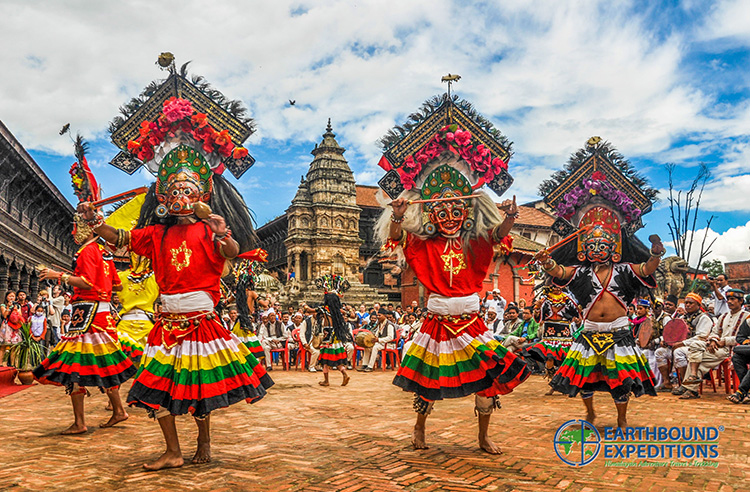
The stupa on the hill at Swayambhunath, the river temples and cremation ghats at Pashupatinath, the great dome at Boudhanath, and the carved squares of Patan. Boudhanath in particular is worth your attention today, because you will spend the next week among the people who built it.
- Altitude
- 1,400 m (4,590 ft)
- On foot
- —
- Night in
- Hotel, Kathmandu
- Meals
- Breakfast, Lunch, Dinner
North out of the valley and up the Trishuli and Bhote Koshi gorges to Rasuwagadhi, then through the border formalities and up the far side to Kerung. Seven or eight hours, most of it climbing, and you finish the day 1,400 m higher than you started it.
- Altitude
- 2,800 m (9,190 ft)+1,400 m
- On foot
- Drive, 7–8 hrs
- Night in
- Hotel, Kerung
- Meals
- Breakfast, Lunch, Dinner
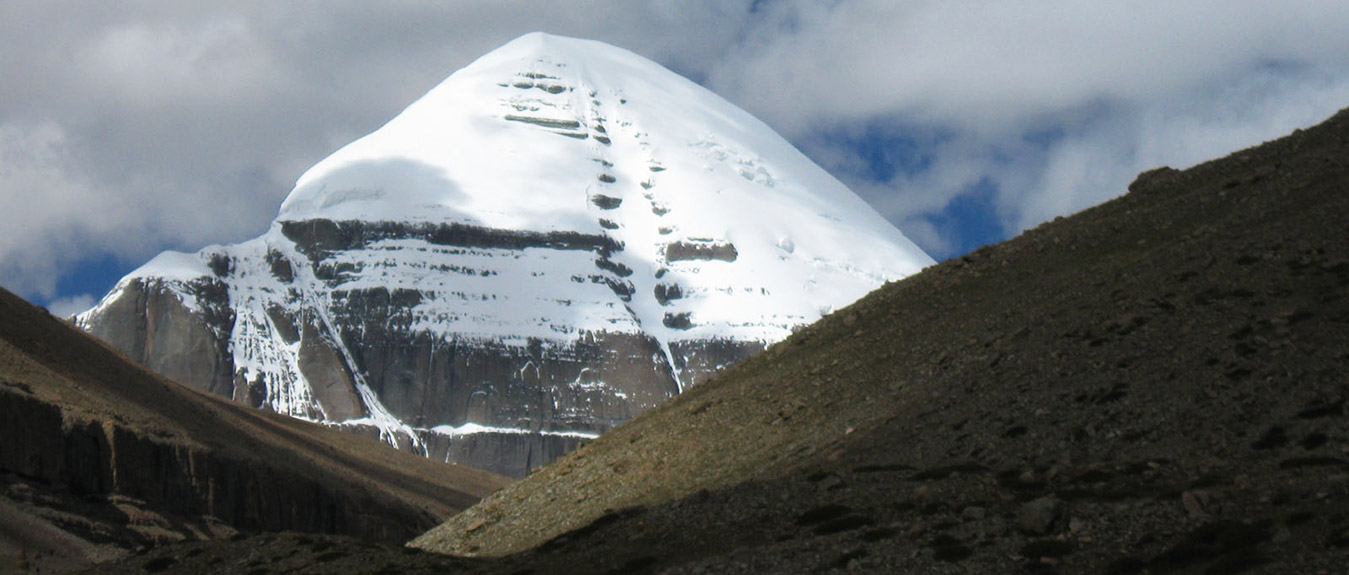
The day the world changes. The road climbs out of the last green valley over a pass at 5,236 m and drops onto the plateau, and from the top on a clear day you can see Shishapangma, Cho Oyu and Everest at once. Tingri is a windswept village on a high plain with the north side of the range on the skyline.
- Altitude
- 4,300 m (14,110 ft)+1,500 m
- On foot
- Drive, 5–6 hrs
- Night in
- Hotel, Tingri
- Meals
- Breakfast, Lunch, Dinner
A morning drive up the Rongbuk valley on switchbacks, to the highest monastery in the world at 4,980 m, and then the short eco-bus hop to the base camp viewpoint. Everest stands at the head of the valley with nothing in front of it, which is the thing the Nepali side cannot give you. We sleep at Rongbuk, which is cold, basic and unforgettable.
- Altitude
- 5,200 m (17,060 ft) at the viewpoint+900 m
- On foot
- Drive, 3–4 hrs, then a short walk
- Night in
- Guesthouse, Rongbuk
- Meals
- Breakfast, Lunch, Dinner
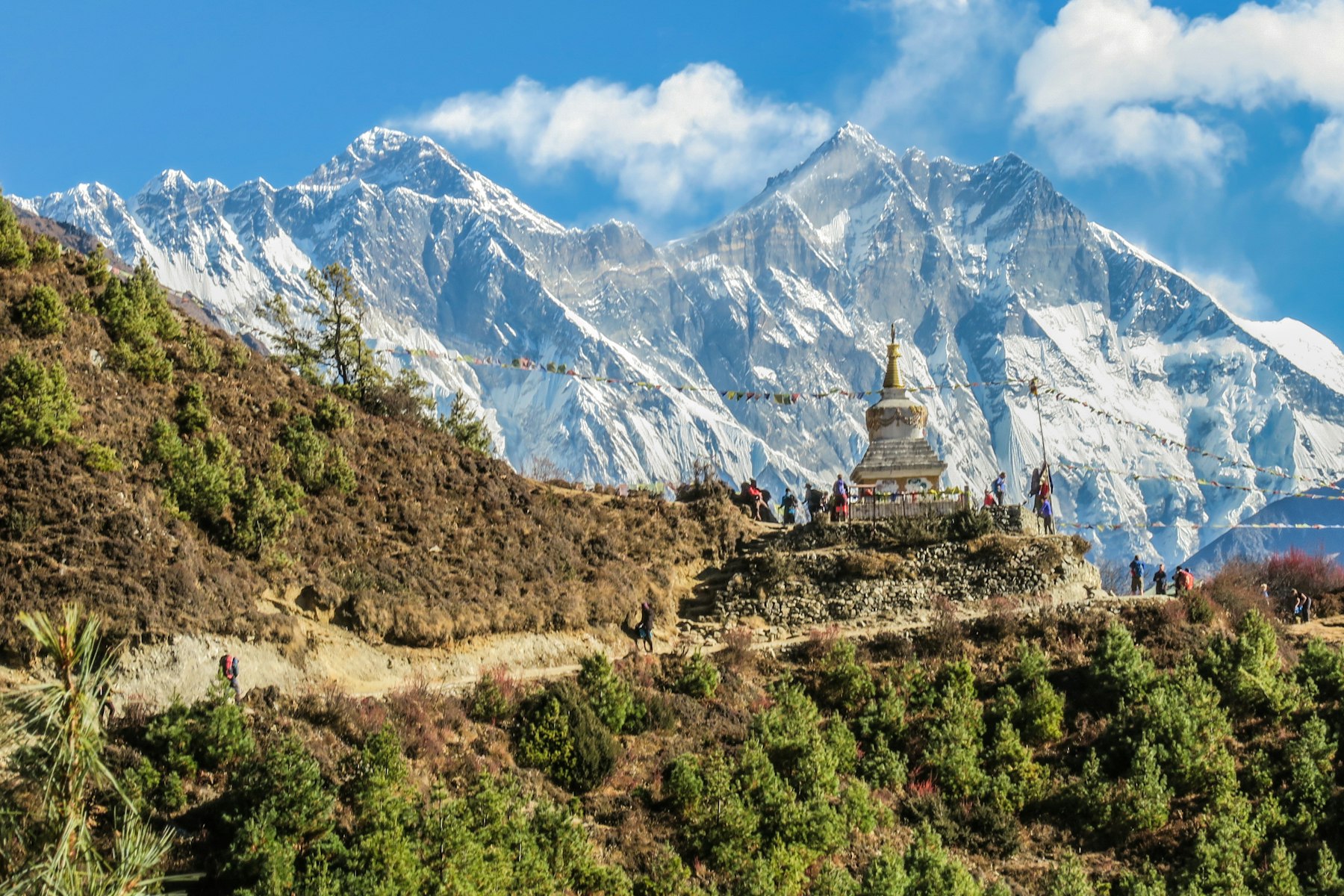
A long day east across the plateau, dropping back to 3,900 m, which after a night at Rongbuk feels like arriving at sea level. Shigatse is Tibet's second city and the seat of the Panchen Lama.
- Altitude
- 3,900 m (12,800 ft)−1,300 m
- On foot
- Drive, 7–8 hrs
- Night in
- Hotel, Shigatse
- Meals
- Breakfast, Lunch, Dinner
The morning at Tashilhunpo, a working monastery of some six hundred monks with a twenty-six metre gilded Maitreya inside it. Then a short drive to Gyantse for the Kumbum, a tiered stupa with more than seventy chapels stacked inside it, which is the finest single building on this route.
- Altitude
- 3,977 m (13,050 ft)+77 m
- On foot
- Drive, 2 hrs
- Night in
- Hotel, Gyantse
- Meals
- Breakfast, Lunch, Dinner
The most scenic driving day of the trip: over the Karo La at 5,010 m past a glacier that comes down almost to the road, and the Kamba La at 4,794 m above Yamdrok Tso, a turquoise lake shaped like a scorpion that fills the whole valley below. Then down into Lhasa.
- Altitude
- 3,656 m (11,990 ft)−321 m
- On foot
- Drive, 7–8 hrs
- Night in
- Hotel, Lhasa
- Meals
- Breakfast, Lunch, Dinner
The Potala Palace in the morning, a thousand rooms on a hill, with a timed entry ticket and a great many steps at 3,656 m. In the afternoon the Jokhang, which is the holiest temple in Tibetan Buddhism and far more alive than the Potala is, and then the Barkhor circuit around it.
- Altitude
- 3,656 m (11,990 ft)
- On foot
- —
- Night in
- Hotel, Lhasa
- Meals
- Breakfast, Lunch, Dinner
Drepung in the morning, once the largest monastery on earth with around ten thousand monks. Sera in the afternoon for the debating courtyard, where the monks argue doctrine with a clap on every point, which is genuinely thrilling to watch. The Norbulingka, the summer palace, if there is time.
- Altitude
- 3,656 m (11,990 ft)
- On foot
- —
- Night in
- Hotel, Lhasa
- Meals
- Breakfast, Lunch, Dinner
A morning flight over the Himalaya, an hour and thirty-five minutes, and the range you just drove through is laid out below the left-hand windows. The rest of the day is free in Kathmandu, with a farewell dinner in the evening.
- Altitude
- 1,400 m (4,590 ft)−2,256 m
- On foot
- —
- Night in
- Hotel, Kathmandu
- Meals
- Breakfast, Dinner
We take you to the airport. If you are carrying on into a trek, this is the point at which we hand you over to the trekking team.
- Altitude
- —
- On foot
- —
- Night in
- —
- Meals
- Breakfast
What's included
Included in Standard
- Airport transfers & ground transport
- Licensed English-speaking guide
- Accommodation throughout the trip
- All permits & national park fees
- Meals as per the itinerary
Not included
- International flights
- Travel & rescue insurance
- Personal trekking gear
- Tips & personal expenses
- Nepal entry visa (on arrival)
What to bring
No porters, and no weight limit worth the name
A vehicle carries your luggage for the whole trip and there is nothing to weigh. The one bag that matters is a daypack for the hour at Rongbuk and the Potala steps. Bring your own sleeping bag for the unheated night at 4,980 m.
For the Rongbuk night, which is the whole problem
- A sleeping bag rated to −15°C. The guesthouse has quilts and no heating at 4,980 m
- A down jacket, worn indoors that evening rather than only outside
- Warm hat, and thermal base layers to sleep in
- Earplugs and an eye mask. It is a shared room and the clock is on Beijing time
- A head torch. Power at Rongbuk is intermittent at best
On your body
- Layers rather than one heavy coat. The vehicle is warm, the passes are not, and you will be in and out all day
- Two fleeces or a fleece and a light insulated jacket
- Waterproof shell, more for wind than for rain
- Comfortable walking shoes. You need shoes rather than boots on this trip
- Something respectable for the monasteries: shoulders and knees covered, and a hat you can take off
For the sun and the air
- Sunglasses, category 4. Plateau light at 4,300 m is the strongest in this catalogue
- Sunscreen SPF 50 and lip balm with sun protection, and more than you think
- A buff, for the dust on the Rongbuk road
- Moisturiser and a nasal spray. The air on the plateau is desperately dry and nosebleeds are common
Health
- Diamox if your doctor agrees, plus everything you take routinely, in original packaging
- Painkillers, rehydration salts and something for an upset stomach
- A broad-spectrum antibiotic if your doctor will prescribe one
- Hand sanitiser and wet wipes, for the one night without a shower
Papers and money
- Passport valid six months with two blank pages, plus three photocopies
- Four passport photographs for the group visa
- Your permit paperwork, printed, carried separately from the passport
- Travel insurance certificate covering 5,500 m and repatriation
- Chinese yuan in cash, and Alipay or WeChat Pay set up before you fly
- A VPN installed on every device before you leave Nepal
Getting in, getting out, and the paperwork
A land border, a group visa collected in Kathmandu, and a lead time of fifteen to twenty working days that has nothing to do with us.
Overland in, and why that is the right way round
Day 3 drives from Kathmandu to the Kerung border at Rasuwagadhi, and day 4 crosses the Himalaya over the Gyatso La at 5,236 m onto the plateau. Two days of climbing by road from 1,400 m to 4,300 m is meaningfully gentler than a flight into Lhasa at 3,656 m, and it is the main reason we sell this direction rather than the reverse.
The Kerung road, and what the monsoon does to it
The Nepali side runs up the Trishuli and Bhote Koshi gorges and it is a landslide corridor between June and September. The crossing has also closed at short notice for political and administrative reasons more than once in the past decade. We watch it, and if it shuts we fly the group into Lhasa and run the itinerary backwards, which works and is harder on your body.
Flying out from Lhasa
Himalaya Airlines and Sichuan Airlines fly Lhasa to Kathmandu on weekdays in about an hour and thirty-five minutes. Sit on the left: the whole Himalaya is out of that window and you will recognise the ground you drove across. It is the single best commercial flight in Asia on a clear day.
Fifteen to twenty working days, and no way round it
The Tibet Travel Permit is issued against a paid, confirmed itinerary and takes fifteen to twenty working days, and the Kathmandu group visa five more. That is the real lead time on this trip. We need passport scans six weeks out and would rather have them eight, and we cannot make a government office move faster.
There is no helicopter rescue in Tibet
The most important logistical fact on this page, and the difference between a bad day here and a bad day in Nepal. If somebody is seriously ill at Rongbuk, the answer is the vehicle and a long drive down. This is why the itinerary spends two nights climbing to Tingri instead of one, and why we would rather lose the Everest night than push somebody through it.
Where you sleep
11 nights, and what each one is
| Where | Nights | Type | Room | Bathroom |
|---|---|---|---|---|
| Kathmandu | 3 | Three-star hotel | Twin or double | Private, hot water |
| Kerung | 1 | Simple border-town hotel | Twin | Private, hot water when there is any |
| Tingri | 1 | Basic hotel on the plateau | Twin | Private, intermittent |
| Rongbuk | 1 | Guesthouse at the monastery, the highest bed of the trip | Multiple-share, basic | Shared, no shower, no heating |
| Shigatse | 1 | Three-star hotel | Twin | Private, hot water |
| Gyantse | 1 | Three-star hotel | Twin | Private, hot water |
| Lhasa | 3 | Four-star hotel | Twin or double | Private, hot water |
- Kathmandu
- Nights
- 3
- Type
- Three-star hotel
- Room
- Twin or double
- Bathroom
- Private, hot water
- Kerung
- Nights
- 1
- Type
- Simple border-town hotel
- Room
- Twin
- Bathroom
- Private, hot water when there is any
- Tingri
- Nights
- 1
- Type
- Basic hotel on the plateau
- Room
- Twin
- Bathroom
- Private, intermittent
- Rongbuk
- Nights
- 1
- Type
- Guesthouse at the monastery, the highest bed of the trip
- Room
- Multiple-share, basic
- Bathroom
- Shared, no shower, no heating
- Shigatse
- Nights
- 1
- Type
- Three-star hotel
- Room
- Twin
- Bathroom
- Private, hot water
- Gyantse
- Nights
- 1
- Type
- Three-star hotel
- Room
- Twin
- Bathroom
- Private, hot water
- Lhasa
- Nights
- 3
- Type
- Four-star hotel
- Room
- Twin or double
- Bathroom
- Private, hot water
Heat, hot water, power and signal
- Heating
- In the Lhasa, Gyantse and Shigatse hotels. Not at Tingri reliably, and not at all at Rongbuk, which at 4,980 m is the coldest night by a wide margin.
- Hot shower
- Everywhere except Rongbuk. That is one night without, which is a considerably better run than any trek in this catalogue.
- Charging
- In the hotels, and from the vehicle on the road. Nothing dependable at Rongbuk, so charge everything at Tingri.
- Wifi
- In the Lhasa, Shigatse and Gyantse hotels. Note that most Western services are blocked in China: install a VPN before you leave rather than trying to do it on arrival.
- Phone signal
- China Mobile covers the whole route including Rongbuk, which surprises people. Your home SIM roams expensively and the guide can arrange a local one in Shigatse.
- Water
- Bottled water carried in the vehicle, included. Tap water is not drinkable anywhere on this route.
- Oxygen
- Bottled oxygen travels in the vehicle for the whole plateau section. It is there for the Rongbuk night in particular.
- Bedding
- Provided everywhere. At Rongbuk it is a mattress and heavy quilts in a shared room and you will want your own sleeping bag on top of them.
What you eat
| Meal | Time | Usually |
|---|---|---|
| Breakfast | 7:00–8:00 | In the hotels: eggs, bread, congee, tsampa, tea or instant coffee |
| Lunch | 12:30–13:30 | On the driving days a roadside restaurant or a packed box. Noodles, momo, fried rice |
| Dinner | 19:00–20:00 | Tibetan and Sichuanese: thukpa, yak curry, stir-fried greens, rice. Lhasa has genuinely good restaurants |
| Tea | constantly | Sweet milk tea, jasmine, or salted butter tea, which is worth trying once and is not for everybody |
- Breakfast
- Time
- 7:00–8:00
- Usually
- In the hotels: eggs, bread, congee, tsampa, tea or instant coffee
- Lunch
- Time
- 12:30–13:30
- Usually
- On the driving days a roadside restaurant or a packed box. Noodles, momo, fried rice
- Dinner
- Time
- 19:00–20:00
- Usually
- Tibetan and Sichuanese: thukpa, yak curry, stir-fried greens, rice. Lhasa has genuinely good restaurants
- Tea
- Time
- constantly
- Usually
- Sweet milk tea, jasmine, or salted butter tea, which is worth trying once and is not for everybody
If you eat differently
| Diet | On this route |
|---|---|
| Vegetarian | Straightforward. Chinese and Tibetan kitchens both do vegetables well and the guide orders ahead. |
| Vegan | Workable with notice. Butter, yoghurt and dairy are everywhere in Tibetan cooking, so tell us at booking. |
| Gluten free | Rice and most Sichuanese dishes are fine. Noodles, momo and tsampa are not, and soy sauce contains wheat. |
| Halal | There are Muslim Chinese restaurants in Lhasa and Shigatse and the guide knows them. Between them, vegetarian is the practical answer. |
| Meat | Yak, mutton and pork throughout, and it is refrigerated on this route in a way it is not on a trek. Eat it. |
- Vegetarian
- On this route
- Straightforward. Chinese and Tibetan kitchens both do vegetables well and the guide orders ahead.
- Vegan
- On this route
- Workable with notice. Butter, yoghurt and dairy are everywhere in Tibetan cooking, so tell us at booking.
- Gluten free
- On this route
- Rice and most Sichuanese dishes are fine. Noodles, momo and tsampa are not, and soy sauce contains wheat.
- Halal
- On this route
- There are Muslim Chinese restaurants in Lhasa and Shigatse and the guide knows them. Between them, vegetarian is the practical answer.
- Meat
- On this route
- Yak, mutton and pork throughout, and it is refrigerated on this route in a way it is not on a trek. Eat it.
What a day is like
A day on the trail
- 7:00Breakfast in the hotel. On the driving days it is early because the days are long
- 8:00On the road. Checkpoints are frequent and your guide handles the paperwork at each one
- 10:30First stop. A pass, a viewpoint or a village, and there is always one
- 12:30Lunch, at a roadside restaurant or from a box
- 13:30Two to four hours more, depending on the day
- 16:30Arrive, check in, and rest. At altitude the afternoon is for lying down and drinking water
- 18:00Oxygen saturation and pulse taken, on the plateau days
- 19:00Dinner, and the guide talks through tomorrow
- 21:00Bed. The clock is Beijing time, so it is still light and your body does not care
How hard it is, and getting ready
Almost no walking, and a serious amount of altitude.
3 of 5- There is no trekking on this itinerary. An hour at Rongbuk, some stairs at the Potala, a circuit of the Barkhor.
- Six of the twelve days are driving days of five to eight hours, at between 3,600 m and 5,200 m.
- You sleep at 4,980 m at Rongbuk on day 5, which is higher than any bed on the Everest Base Camp trek except Gorak Shep.
- Every metre of that is gained in a vehicle, which your body handles less well than gaining it on foot.
- The Potala Palace is several hundred steps at 3,656 m and it is the hardest physical thing in Lhasa. People underestimate it.
Twelve weeks, and what to do in each of them
Written for somebody who walks a bit and does not train. If you already run or cycle regularly, start at the eight-week block. Nothing here needs a gym.
- 1
Before you book
Talk to your own doctor
Particularly if you are over sixty or have any heart, lung or blood pressure condition. You will sleep at 4,980 m on the fourth day out of Kathmandu, having driven there, in an unheated room, with no helicopter rescue available. That is a conversation to have before the deposit rather than after it.
- 2
Six weeks out
A little cardiovascular work, honestly a little
Two or three sessions a week of anything aerobic. It will not protect you from altitude and it makes the Potala steps and the Rongbuk walk more pleasant. Anybody promising you more than that from six weeks of training is selling something.
- 3
Four weeks out
Sort the paperwork out
This is the substitute for training on a trip like this. Passport scans to us, a VPN installed on your phone and laptop, travel insurance bought and the certificate sent over, and any prescriptions filled with enough to spare.
- 4
Two weeks out
Sleep
Arriving rested matters more here than on any trek we run, because you cannot acclimatise your way out of exhaustion when the altitude arrives in a Land Cruiser.
- 5
The week before
Do not travel with a chest infection
A cold that would be a nuisance at home is a real problem at 4,980 m and raises your risk of altitude illness substantially. Tell us instead of pressing on; we would much rather move you to a later departure.
Altitude, and what we do about it
This is the whole difficulty of the trip and it is easy to underestimate because a vehicle does the work. In four days you go from 1,400 m in Kathmandu to 4,980 m at Rongbuk, crossing a 5,236 m pass on the way, without walking to any of it. Compare that with the Everest Base Camp trek, which takes ten days to reach a slightly lower bed and spends two of them standing still. Acute mountain sickness is common on this itinerary and mild cases are close to routine at Tingri and Rongbuk. The two things that make it manageable are the overland approach, which gives you two graded nights at 2,800 m and 4,300 m, and the fact that after day 6 you are going down.
Tell your guide if you have any of these
- Headache that does not lift with water and paracetamol
- Nausea, or no appetite at all when you know you should be hungry
- Dizziness, or feeling drunk without having drunk anything
- Breathlessness at rest, not just on the stairs
- Sleeping badly at Tingri or Rongbuk, waking short of breath
- Loss of coordination, which is the one that means go down now
What actually prevents it
- Drink four litres a day from day 3. The plateau is drier than anywhere else in this catalogue and dehydration looks exactly like altitude sickness.
- Do nothing at Tingri. It is a night at 4,300 m and it exists for your body rather than for the village, which is not otherwise a draw.
- No alcohol from the border to Shigatse, and no sleeping pills at any altitude.
- Take the Potala slowly. Several hundred steps at 3,656 m on day 9 catches people who have felt fine for a week.
- Diamox is worth discussing with your doctor and on this itinerary in particular, because every metre is gained in a seat.
- Say something at Tingri rather than at Rongbuk. Tingri is where the decision is easy.
What we do about it, in order
- 1
Every evening from the border, we measure
Your guide carries a pulse oximeter and records your oxygen saturation and pulse each evening from day 3, and again any morning you are not right. On a trip where the altitude arrives faster than the body does, a written trend across four days is worth more than anybody's impression.
- 2
There is oxygen in the vehicle
Bottled oxygen travels with the group for the whole plateau section, and it is there for the Rongbuk night in particular. It is a stopgap that buys time for a descent rather than a treatment.
- 3
The Rongbuk night is the one we will give up
This is our protocol and it differs from most operators'. If somebody is unwell at Tingri, we do the Everest viewpoint as a day trip and come back down to sleep at 4,300 m, or at Shigatse. You see the same mountain from the same place and you do not sleep at 4,980 m to do it. Nobody has ever regretted this and several people have been very glad of it.
- 4
If it is worse than that, we drive down
Descent is the only treatment that works and here it is quick: Shigatse at 3,900 m is a long day from Rongbuk and Kerung at 2,800 m is reachable from Tingri. Having a road under you is the one real advantage this trip has over a trek.
- 5
There is no helicopter, and the hospital is far
Helicopter rescue is not available to tourists in Tibet. The nearest adequate hospital is at Shigatse, seven or eight hours from Rongbuk. This is why the protocol above gives up the Everest night rather than pressing on with it.
Fitness and altitude are unrelated
This is the thing people get wrong most often. Training makes the walking easier and does nothing for how your body handles thin air. Strong young trekkers get altitude sickness and unfit older ones frequently do not. Go up slowly, and say something the first time your head hurts.
Month by month
A long season and one hard stop: nothing runs in March, and that is administrative rather than meteorological.
| Month | Day at Shigatse | Night at Shigatse | Night at Rongbuk | What it is like | |
|---|---|---|---|---|---|
| January | +3°C | -12°C | -22°C | Hard | Clear, bitter and empty. The road is usually open and the Rongbuk guesthouse is not. |
| February | +5°C | -10°C | -20°C | Hard | As January, warming late. Losar, the Tibetan new year, falls in February or March and shuts a lot of things. |
| March | +9°C | -6°C | -16°C | We do not run it | The region routinely shuts to foreign visitors for the month. Nothing is scheduled and nothing should be. |
| April | +13°C | -2°C | -12°C | Best | The season opens and this is the clearest month for Everest from the north. Cold at Rongbuk and worth it. |
| May | +17°C | +2°C | -9°C | Best | Warm, stable and the pre-monsoon climbing season, so Base Camp below Rongbuk is a working village of tents. |
| June | +20°C | +6°C | -5°C | Good | Warmest and beginning to cloud up in the afternoons. The Nepali side of the Kerung road starts to slip. |
| July | +21°C | +8°C | -3°C | Good | The monsoon reaches the Himalayan rim and the plateau stays largely dry, but Everest is often in cloud. |
| August | +20°C | +8°C | -3°C | Good | As July. The border road is the risk rather than the plateau. |
| September | +18°C | +3°C | -8°C | Best | Clearing, warm and stable. Our own favourite month for this trip. |
| October | +13°C | -3°C | -14°C | Best | Cold, exceptionally clear and quiet. The last good month and often the best Everest view of the year. |
| November | +8°C | -8°C | -18°C | Hard | Clear and very cold. Rongbuk becomes a serious proposition and some accommodation closes. |
| December | +4°C | -11°C | -21°C | Hard | Cold, bright and empty. Doable with the right kit and a tolerance for an unheated night at 4,980 m. |
- January
- Day at Shigatse
- +3°C
- Night at Shigatse
- -12°C
- Night at Rongbuk
- -22°C
- What it is like
- Clear, bitter and empty. The road is usually open and the Rongbuk guesthouse is not.
Hard - February
- Day at Shigatse
- +5°C
- Night at Shigatse
- -10°C
- Night at Rongbuk
- -20°C
- What it is like
- As January, warming late. Losar, the Tibetan new year, falls in February or March and shuts a lot of things.
Hard - March
- Day at Shigatse
- +9°C
- Night at Shigatse
- -6°C
- Night at Rongbuk
- -16°C
- What it is like
- The region routinely shuts to foreign visitors for the month. Nothing is scheduled and nothing should be.
We do not run it - April
- Day at Shigatse
- +13°C
- Night at Shigatse
- -2°C
- Night at Rongbuk
- -12°C
- What it is like
- The season opens and this is the clearest month for Everest from the north. Cold at Rongbuk and worth it.
Best - May
- Day at Shigatse
- +17°C
- Night at Shigatse
- +2°C
- Night at Rongbuk
- -9°C
- What it is like
- Warm, stable and the pre-monsoon climbing season, so Base Camp below Rongbuk is a working village of tents.
Best - June
- Day at Shigatse
- +20°C
- Night at Shigatse
- +6°C
- Night at Rongbuk
- -5°C
- What it is like
- Warmest and beginning to cloud up in the afternoons. The Nepali side of the Kerung road starts to slip.
Good - July
- Day at Shigatse
- +21°C
- Night at Shigatse
- +8°C
- Night at Rongbuk
- -3°C
- What it is like
- The monsoon reaches the Himalayan rim and the plateau stays largely dry, but Everest is often in cloud.
Good - August
- Day at Shigatse
- +20°C
- Night at Shigatse
- +8°C
- Night at Rongbuk
- -3°C
- What it is like
- As July. The border road is the risk rather than the plateau.
Good - September
- Day at Shigatse
- +18°C
- Night at Shigatse
- +3°C
- Night at Rongbuk
- -8°C
- What it is like
- Clearing, warm and stable. Our own favourite month for this trip.
Best - October
- Day at Shigatse
- +13°C
- Night at Shigatse
- -3°C
- Night at Rongbuk
- -14°C
- What it is like
- Cold, exceptionally clear and quiet. The last good month and often the best Everest view of the year.
Best - November
- Day at Shigatse
- +8°C
- Night at Shigatse
- -8°C
- Night at Rongbuk
- -18°C
- What it is like
- Clear and very cold. Rongbuk becomes a serious proposition and some accommodation closes.
Hard - December
- Day at Shigatse
- +4°C
- Night at Shigatse
- -11°C
- Night at Rongbuk
- -21°C
- What it is like
- Cold, bright and empty. Doable with the right kit and a tolerance for an unheated night at 4,980 m.
Hard
Averages for the southern Tibetan plateau. The March row is administrative rather than meteorological: the region shuts to foreign visitors for the month.
Who walks with you
Who travels with you
A licensed Tibetan guide for the whole time you are in the region and a driver who knows the road. The guide is a legal requirement rather than a service level: independent travel by foreign passport holders is not permitted anywhere in Tibet, and there is no version of this trip where you wander off for an afternoon. Ours are Tibetan rather than Han Chinese, which matters for what you will learn in a monastery.
What a guide can and cannot say
Worth knowing before you ask. Your guide is licensed by a government body and can lose that licence, and there are subjects on which they will change the topic. That is not evasiveness and it is not ignorance; it is somebody's job and family. Ask about the iconography, the history, the monasteries and the pilgrims, and you will get a great deal. Push on contemporary politics in front of a checkpoint and you are putting a stranger at risk for your curiosity.
The vehicle
A Land Cruiser for a party of four to eight, a minibus above that, with your luggage, bottled water and oxygen in it. Six of the twelve days are spent in it for five to eight hours, which is worth being clear-eyed about: this is a road trip across a plateau and the driving is a large part of the experience rather than an interruption to it.
Tipping
Not traditional in Tibet and now expected of tour groups. About $120 to $180 per traveller for the guide and the driver together, handed over on the last evening in Lhasa.
Walking it responsibly
Photography, and where the line is
Inside most monastery halls, photography is either forbidden or charged for, sometimes at CNY 100 a chapel, and the money goes to the monastery. Ask, and accept the answer. What is not negotiable: do not photograph military installations, checkpoints, border posts or police, do not photograph monks without asking, and do not photograph anybody prostrating.
Sky burial is not a sight
You may be offered the chance to see one. Do not go. It is a funeral, families are present, and the practice is now legally protected from spectators in several parts of Tibet. An operator arranging this for you is doing something both crass and increasingly illegal.
Where the money goes, honestly
Less of it stays local than on our Nepal treks and we would rather say so plainly. The permits and reserve fees go to Chinese government bodies. The hotels, the vehicles and the guiding are largely Tibetan-run. Monastery entry fees, which on this itinerary come to well over a hundred dollars a head, go directly to the monasteries and are the most useful money you will spend here.
The Rongbuk problem
The road to the north side has made Everest reachable by anybody with a Land Cruiser, and the valley shows it. Rubbish, vehicle emissions and the sheer number of visitors are a live problem the Chinese authorities have responded to by capping access and running the eco-buses. We carry our waste out to Shigatse, we use the buses without complaining about them, and we would ask you not to leave prayer flags or anything else at the viewpoint.
Booking and paying
You book first and apply second
This is the reverse of everywhere else you have travelled and it is the thing to make peace with. The Tibet Travel Permit is issued against a confirmed, paid itinerary with your hotels and your guide named on it, so you commit to the trip and then find out whether the paperwork clears. It is why our Tibet deposits carry a longer lead time than anything else we sell.
What we need from you, and when
Clear colour scans of your passport photo page at least six weeks out, and your occupation on the form. Journalist, photographer, diplomat and anything with 'government' in the job title are routinely refused, and an honest answer given early can usually be worked with. An answer that turns out to be wrong at the border cannot.
The group visa needs a group
The Kathmandu group visa is issued to a party on one sheet, and current practice is a minimum of five travellers. A couple joining one of our departures is fine. Two people asking for a private Tibet trip out of Kathmandu is the case where this falls down, and we will say so rather than take the deposit.
If the permit is refused, you get your money back
It happens occasionally, with no reason given and no appeal. We refund the Tibet portion in full when it does. It is the one part of a Tibet booking where the risk is genuinely ours rather than yours, and any operator not offering that is worth asking why.
Things you can add
Priced per person, arranged before you travel, and none of them included in the price above.
- +2 days
Namtso lake
from $340A sacred lake at 4,718 m north of Lhasa, over the Largen La at 5,190 m, and the most photographed place in Tibet after the Potala. Two days, and the night up there is cold.
- +2 days
Two extra nights in Lhasa
$310Ganden monastery, the Norbulingka properly, and time in the Barkhor rather than a circuit of it. Lhasa rewards slowness more than the rest of this itinerary does.
- −2 days
Fly in as well as out
saves 2 days, costs $260For travellers short of time. It also removes the graded overland approach, which is the best thing about this itinerary, so we will talk you out of it if we can.
- +16 days
Everest Base Camp trek, Nepal side
from $1,867See the mountain from both sides in one trip. People who do it say the two Everests barely feel like the same mountain.
- same length
The Friendship Highway to Kathmandu
no changeDrive out via Kerung instead of flying, reversing the itinerary. Two days longer on the road and it saves the flight, and you lose the view from the aeroplane.
Single room where one exists
$290For the hotel nights in Kathmandu, Kerung, Tingri, Shigatse, Gyantse and Lhasa. At Rongbuk the rooms are multiple-share and nothing changes that.
Other ways to see Tibet
4 versions of this journey. They use the same guides and the same lodges; what changes is the length, the comfort and how much of it you walk.
- Lhasa and Everest Base CampYou are hereThe one on this page. Overland in, Everest on day 5, Lhasa at the end, fly out.12 days$3,687
- Kathmandu to Lhasa overlandThe same road without the Rongbuk detour. Gyantse, Shigatse and Lhasa, at a lower maximum altitude.12 days$3,290
- Kailash Mansarovar via LhasaThe other Tibet trip: west into Ngari for the kora, three days on foot and a 5,630 m pass.14 days$2,947
- Classic Everest Base Camp, NepalThe other Everest. Ten days on foot to a base camp you cannot see the summit from, and a completely different trip.16 days$1,867
Photos
A look at the trail, the villages and the mountains.
Reviews
5.0 5 reviews
The trip of a lifetime
Everything was handled for us from the moment we landed. Our guide read the group perfectly, slowed the pace when we needed it, and knew every village along the way. I never once worried about logistics.
Sarah M. AustraliaOctober 2025
Felt looked after the whole way
We travelled as a couple and the small group made all the difference. Comfortable lodges, honest advice about the altitude, and a team who clearly loved the mountains. Booking on our own dates was easy.
James & Kate United KingdomMay 2025
Well organised and genuinely local
You can tell this is run by people from here, not a call centre abroad. The itinerary had proper rest days built in, the food was better than I expected, and the whole thing ran to time.
Daniel R. CanadaMarch 2025
Common questions
22 of them, and they are the ones people actually send us. If yours is not here, ask and we will answer it and add it.
They are barely the same trip. In Nepal you fly to Lukla and walk for ten days to stand on moraine at 5,364 m under the icefall, where you cannot see the summit. Here you drive up the Rongbuk valley to 5,200 m and Everest stands at the head of it with nothing in the way, three and a half vertical kilometres of it. The Nepali trek is the better journey; the Tibetan road has the better view of the mountain.
To within a few kilometres of it, yes, and this is the only base camp on the mountain that a vehicle reaches. Private vehicles stop at Rongbuk monastery and a short eco-bus hop takes you to the viewpoint. It is about an hour of walking in total on the whole trip.
You stand at the tourist viewpoint at around 5,200 m, which is where the road and the eco-bus end. The climbers' base camp is a little further up and is closed to visitors during the climbing season. What you get is the north face from the classic viewpoint, which is the photograph everybody knows.
Yes, and people who have say the two Everests hardly feel like the same mountain. The usual shape is this trip followed by the Nepali trek, or the reverse, in about a month. We build it regularly.
This is the misunderstanding this page most wants to correct. In four days you go from 1,400 m to sleeping at 4,980 m at Rongbuk, over a 5,236 m pass, without walking to any of it. That is higher than any bed on the Everest Base Camp trek except Gorak Shep, reached on day four rather than day ten. Mild altitude sickness at Tingri and Rongbuk is close to routine.
We give up the Rongbuk night rather than push you through it, and this is our protocol rather than the industry's. You do the Everest viewpoint as a day trip from Tingri and come back down to 4,300 m to sleep, or go on to Shigatse. You see the same mountain from the same place. Nobody has ever regretted this.
Yes, bottled oxygen travels in the vehicle for the whole plateau section, and it is there for the Rongbuk night in particular. It buys time for a descent rather than treating anything.
You go down by road, which is the one real advantage this trip has over a trek. There is no helicopter rescue for tourists in Tibet. The nearest adequate hospital is at Shigatse, seven or eight hours from Rongbuk, and Kathmandu is a day and a half. Insurance covering evacuation and repatriation is a condition of booking.
A China group visa issued in Kathmandu, which is not a normal Chinese visa, and the Tibet Travel Permit, applied for by us against a paid itinerary. That is it on this route: the Alien's Travel Permit was dropped for the Shigatse prefecture, which covers Everest, in June 2025, and you will still see it listed on other operators' pages.
No. Do not buy one. The Kathmandu group visa invalidates any Chinese visa already in your passport, so one obtained at home is wasted money and a complication at the border.
Two months at least, and three is comfortable. The Tibet Travel Permit takes fifteen to twenty working days and the group visa five more, both against a paid booking. That lead time is a government office and there is nothing we can do to shorten it.
Not on our departures, because the Kathmandu group visa is issued to a party and current practice requires at least five names on one sheet. Two people join a scheduled departure. It is the honest limit of what we can arrange out of Kathmandu.
Occasionally, with no reason given and no appeal, and we refund the Tibet portion in full when it happens. Occupation is the usual cause: journalist, photographer, diplomat and anything with 'government' in the title are routinely declined. Tell us honestly at the enquiry and we can usually work with it.
Tibet routinely closes to foreign visitors for the whole of March and sometimes into April, around the anniversary of the 1959 uprising, announced with days of notice or none. Nothing we sell starts in March and we would be cautious of an operator that does.
Six of the twelve days, for five to eight hours each. That is what crossing the plateau involves and it is worth being clear-eyed about before booking. The driving is genuinely spectacular, over two 5,000 m passes and past Yamdrok Tso, and it is still six long days in a seat.
The highest monastery in the world at 4,980 m, and a guesthouse beside it that is basic, shared and unheated. It is cold, you will not sleep well, and it is the most memorable night of the trip. Bring your own sleeping bag to put on top of the quilts.
The connection will. Most of what you use will not: the usual Western services are blocked in China. Install a VPN on every device before you leave Nepal, because you cannot download one once you are over the border.
Outside, freely. Inside the halls it is often forbidden and sometimes charged, occasionally at CNY 100 a chapel, and that money goes to the monastery. Ask each time. Never photograph checkpoints, military installations or police, and never photograph somebody prostrating.
Ask about history, iconography, monasteries and pilgrims and you will get a great deal. Push on contemporary politics, particularly near a checkpoint, and you are putting a stranger's licence and family at risk to satisfy your curiosity. Your guide will change the subject, and that is an answer.
April and October are the clearest for Everest from the north, and September is our own favourite for the whole route. May is excellent and busy, with the climbing season below Rongbuk in full swing. July and August are warm and often cloudy on the mountain.
Because a party of four needs the same Land Cruiser, the same driver and the same licensed guide for nine days that a party of twelve does, and those are close to half the price. Add five permits' worth of paperwork, a one-way international flight, monastery fees of well over a hundred dollars a head, and hotels rather than teahouses. Very little of it is margin.
Mostly, and not entirely. The Kerung road is a landslide corridor on the Nepali side between June and September, and the crossing has closed at short notice for administrative reasons more than once. If it shuts we fly the group into Lhasa and run the itinerary in reverse, which works and is harder on your body.
You may also like
Not found what you were looking for?
Search every word on this page, or ask somebody who has walked the route.
Standard, 12 days
$3,687 per person