
from$467
Holi & Festival Cultural Tour
Celebrate the festival of colours across the living heritage cities of the Kathmandu Valley, with temples, palaces and local feasts.
- Duration
- 6 days
- Best time
- March, on the day of Falgun Purnima
- From
- $497
- Play Holi with local families
- UNESCO Durbar Squares tour
- Boudhanath & Pashupatinath temples
All treks
- Everest Base Camp16 days
- Annapurna Circuit14 days
- Manaslu Circuit15 days
- Upper Mustang20 days
- Langtang Valley10 days
- Kanchenjunga Trek
- Dolpo Region Trek
- Makalu Trek
Classic Everest Base Camp Trek
Follow the legendary trail through Sherpa villages, glacial moraines and Buddhist monasteries to the foot of the world's highest mountain.
- Duration
- 16 days
- Best time
- Mar to May, Sep to Nov
- From
- $1,867
- Stand at Everest Base Camp (5,364 m)
- Sunrise from Kala Patthar viewpoint
- Namche Bazaar & Tengboche Monastery
All expeditions
- Island Peak Climbing6,189 m
- Cho-Oyu Expedition8,188 m
- Mt Meru Climb
- Himchuli Peak6,441 m
- Chulu West Expedition
Island Peak Climbing
An ideal introduction to Himalayan mountaineering - combine the Everest trail with a guided ascent of Imja Tse (Island Peak).
- Duration
- 20 days
- Best time
- Apr to May, Oct to Nov
- From
- $2,697
- Summit Island Peak (6,189 m)
- Full climbing & rope training
- Everest Base Camp acclimatisation
All destinations
All destinationsUpper Mustang - A Lost Tibetan Kingdom
Journey into the walled city of Lo Manthang, a preserved fragment of ancient Tibet with ochre cliffs, cave monasteries and living Buddhist tradition.
- Duration
- 20 days
- Best time
- Mar to Nov
- From
- $2,387
- Walled capital of Lo Manthang
- Ancient cave monasteries & gompas
- Trans-Himalayan desert scenery
Nepal and Bhutan Tour
- Duration
- 12 days across two countries
- Grade
- Easy, with one hard morning at the Tiger's Nest
- Max altitude
- 3,120 m (10,240 ft) at Taktsang, and 3,100 m (10,170 ft) at the Dochula pass
- Start and end
- Kathmandu to Kathmandu, with four nights in Bhutan
- On foot
- Sightseeing, and one 4 to 5 hour walk on day 7
- Best season
- Mar to May, and Sep to Nov
- Accommodation
- Three-star hotels throughout, and a lodge at Chitwan
- Meals
- Full board in Bhutan and Chitwan, bed and breakfast in Kathmandu
- Group size
- Up to 12, and it runs from 2
- Getting there
- Two Drukair flights and a private vehicle throughout
Overview
Two Himalayan kingdoms in one trip: the living temple cities of the Kathmandu valley, the dzongs and monasteries of Bhutan, the Tiger's Nest, and rhino in the lowland jungle at Chitwan.
What the trip is
Two Himalayan kingdoms that are next door to each other and could hardly be less alike. Nepal is loud, crowded, Hindu and Buddhist at once, and has been open to travellers since 1951. Bhutan is quiet, ordered, entirely Buddhist, admits visitors on a fixed daily fee and has never been colonised or occupied. Twelve days is enough to see why people who have been to both talk about them in completely different registers.
Why Bhutan sits in the middle of a Nepal trip
Because of the flights, and it is worth understanding rather than assuming. Only two airlines land at Paro, Drukair and Bhutan Airlines, and from most of the world the practical gateways are Kathmandu, Delhi, Kolkata, Bangkok and Singapore. Kathmandu is the one that also has the Himalaya attached to it. So the Bhutan leg goes in the middle of a Nepal itinerary rather than beside one, and you are not paying for a detour: the Kathmandu to Paro hop is an hour.
Who it suits
Somebody who wants the Himalaya without walking into it for a fortnight. The only real exertion is the Tiger's Nest on day 7, which is 900 m of ascent and back at around 3,000 m and takes four to five hours. Everything else is sightseeing, driving, and a jeep in a national park. It works for people in their seventies and it works with children, and it is the trip we send travellers on when a trek is out of the question but the mountains are not.
What the Bhutan days actually cost
Worth being clear about, because it is most of why this trip is priced where it is. Bhutan charges a Sustainable Development Fee of USD 100 per person per night, plus a USD 40 visa fee, before a hotel or a meal or a guide. Four nights is USD 440 a head of government charges. That is not a mark-up, it is national policy, and it is what keeps the valleys as quiet as you will find them.
Trip highlights
- The Tiger's Nest monastery, on its cliff above Paro
- Punakha Dzong and the Dochula pass
- Four UNESCO sites in the Kathmandu valley
- Rhino and Tharu villages in Chitwan
The whole trip on one screen
Twelve days, two countries and four flights. Days 4 to 7 are Bhutan and everything either side of them is Nepal.
| Day | Route | Walking | Altitude |
|---|---|---|---|
| Day 1 | Arrive Kathmandu | — | 1,400 m (4,590 ft) |
| Day 2 | Kathmandu valley sites, up to Nagarkot | — | 2,175 m (7,140 ft) |
| Day 3 | Nagarkot sunrise, Bhaktapur, back to Kathmandu | — | 1,400 m (4,590 ft) |
| Day 4 | Fly Kathmandu to Paro, on to Thimphu | 1 hr flying | 2,320 m (7,610 ft) |
| Day 5 | Over the Dochula to Punakha | 3 hrs | 3,100 m (10,170 ft) |
| Day 6 | Punakha to Paro via Wangdue | 4–5 hrs | 2,235 m (7,330 ft) |
| Day 7 | The Tiger's Nest | 4–5 hrs, 6–7 km | 3,120 m (10,240 ft) |
| Day 8 | Fly Paro to Kathmandu | 1 hr flying | 1,400 m (4,590 ft) |
| Day 9 | Drive to Chitwan | 5 hrs | 150 m (490 ft) |
| Day 10 | Chitwan, canoe, jungle walk and jeep safari | — | 150 m (490 ft) |
| Day 11 | Fly or drive back to Kathmandu | 25 min flying | 1,400 m (4,590 ft) |
| Day 12 | Fly home | — | — |
- Day 1
- Route
- Arrive Kathmandu
- Walking
- —
- Altitude
- 1,400 m (4,590 ft)
- Day 2
- Route
- Kathmandu valley sites, up to Nagarkot
- Walking
- —
- Altitude
- 2,175 m (7,140 ft)
- Day 3
- Route
- Nagarkot sunrise, Bhaktapur, back to Kathmandu
- Walking
- —
- Altitude
- 1,400 m (4,590 ft)
- Day 4
- Route
- Fly Kathmandu to Paro, on to Thimphu
- Walking
- 1 hr flying
- Altitude
- 2,320 m (7,610 ft)
- Day 5
- Route
- Over the Dochula to Punakha
- Walking
- 3 hrs
- Altitude
- 3,100 m (10,170 ft)
- Day 6
- Route
- Punakha to Paro via Wangdue
- Walking
- 4–5 hrs
- Altitude
- 2,235 m (7,330 ft)
- Day 7
- Route
- The Tiger's Nest
- Walking
- 4–5 hrs, 6–7 km
- Altitude
- 3,120 m (10,240 ft)
- Day 8
- Route
- Fly Paro to Kathmandu
- Walking
- 1 hr flying
- Altitude
- 1,400 m (4,590 ft)
- Day 9
- Route
- Drive to Chitwan
- Walking
- 5 hrs
- Altitude
- 150 m (490 ft)
- Day 10
- Route
- Chitwan, canoe, jungle walk and jeep safari
- Walking
- —
- Altitude
- 150 m (490 ft)
- Day 11
- Route
- Fly or drive back to Kathmandu
- Walking
- 25 min flying
- Altitude
- 1,400 m (4,590 ft)
- Day 12
- Route
- Fly home
- Walking
- —
- Altitude
- —
Dates and prices
| Dates | Season | Places | Price | |
|---|---|---|---|---|
| 6 Mar 2027 to 17 Mar 2027 | Spring 2027 | 6 places left | $3,287 | Reserve |
| 20 Mar 2027 to 31 Mar 2027 | Paro Tsechu 2027 | 2 places left | $3,487 | Reserve |
| 10 Apr 2027 to 21 Apr 2027 | Spring 2027 | 5 places left | $3,287 | Reserve |
| 8 May 2027 to 19 May 2027 | Spring 2027 | 8 places left | $3,287 | Reserve |
| 3 Jul 2027 to 14 Jul 2027 | Monsoon 2027 | Just opened | $3,087 | Reserve |
| 11 Sep 2027 to 22 Sep 2027 | Autumn 2027 | 7 places left | $3,287 | Reserve |
| 25 Sep 2027 to 6 Oct 2027 | Thimphu Tshechu 2027 | 3 places left | $3,487 | Reserve |
| 16 Oct 2027 to 27 Oct 2027 | Autumn 2027 | 4 places left | $3,287 | Reserve |
| 6 Nov 2027 to 17 Nov 2027 | Autumn 2027 | 9 places left | $3,287 | Reserve |
| 4 Mar 2028 to 15 Mar 2028 | Spring 2028 | Just opened | $3,287 | Reserve |
- 6 Mar 2027 to 17 Mar 2027
- Season
- Spring 2027
- Places
- 6 places left
- Price
- $3,287
- 20 Mar 2027 to 31 Mar 2027
- Season
- Paro Tsechu 2027
- Places
- 2 places left
- Price
- $3,487
- 10 Apr 2027 to 21 Apr 2027
- Season
- Spring 2027
- Places
- 5 places left
- Price
- $3,287
- 8 May 2027 to 19 May 2027
- Season
- Spring 2027
- Places
- 8 places left
- Price
- $3,287
- 3 Jul 2027 to 14 Jul 2027
- Season
- Monsoon 2027
- Places
- Just opened
- Price
- $3,087
- 11 Sep 2027 to 22 Sep 2027
- Season
- Autumn 2027
- Places
- 7 places left
- Price
- $3,287
- 25 Sep 2027 to 6 Oct 2027
- Season
- Thimphu Tshechu 2027
- Places
- 3 places left
- Price
- $3,487
- 16 Oct 2027 to 27 Oct 2027
- Season
- Autumn 2027
- Places
- 4 places left
- Price
- $3,287
- 6 Nov 2027 to 17 Nov 2027
- Season
- Autumn 2027
- Places
- 9 places left
- Price
- $3,287
- 4 Mar 2028 to 15 Mar 2028
- Season
- Spring 2028
- Places
- Just opened
- Price
- $3,287
Private departures are the normal case, and Bhutan sets the lead time
Most people travel this on their own dates, and from a party of four it costs no more. What cannot be flexed is the notice: a Bhutan visa is applied for by a licensed Bhutanese operator against a paid itinerary and reviewed within five working days, and Drukair will not confirm a Paro seat without the visa clearance number. Six weeks is comfortable, three weeks is possible, and a fortnight is not.
Ask for your own datesWhat it costs by party size
A guide and a porter cost the same whether they walk with one of you or eight, so the price per person falls as the party grows. Every one of these runs, including the first.
| Party size | Notes | Per person |
|---|---|---|
| 1 person | a single supplement on every hotel night as well | $3,890 |
| 2 to 3 | $3,450 | |
| 4 to 12 | the published price | $3,287 |
| 13 or more | a second guide and a larger coach | $3,190 |
- 1 person
- Notes
- a single supplement on every hotel night as well
- Per person
- $3,890
- 2 to 3
- Notes
- Per person
- $3,450
- 4 to 12
- Notes
- the published price
- Per person
- $3,287
- 13 or more
- Notes
- a second guide and a larger coach
- Per person
- $3,190
Itinerary
Day by day, with where you sleep and how far you walk.
Met at the airport and taken to your hotel. In the evening we go through the trip and, more usefully, through the Bhutan paperwork: your visa clearance letter is already issued and your Paro seats are held against it.
- Altitude
- 1,400 m (4,590 ft)
- On foot
- —
- Night in
- Hotel, Kathmandu
- Meals
- Dinner
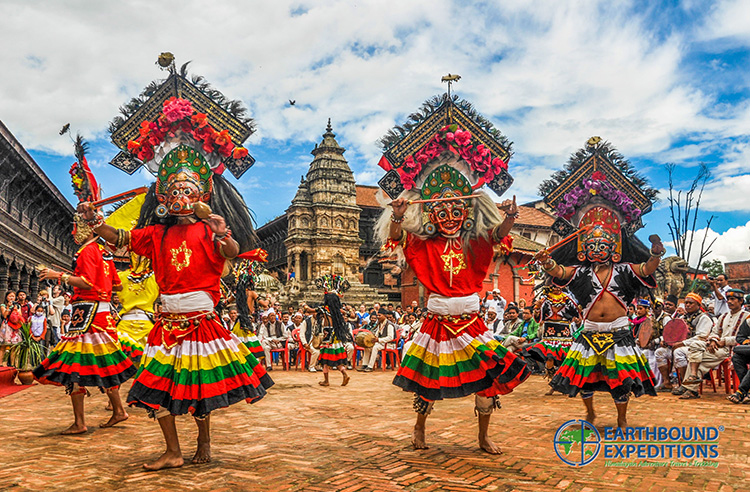
Swayambhunath on its hill, the cremation ghats at Pashupatinath, the great dome at Boudhanath and the carved courtyards of Patan, with a guide who can read the iconography rather than point at it. In the afternoon a drive up to Nagarkot on the valley rim for the sunset.
- Altitude
- 2,175 m (7,140 ft)+775 m
- On foot
- —
- Night in
- Hotel, Nagarkot
- Meals
- Breakfast, Lunch, Dinner
Up early for the Himalaya along the northern horizon, and on a clear morning Everest is on it. Then down to Bhaktapur, which is the best-preserved of the valley's three old cities and the one to spend a whole afternoon in, before returning to Kathmandu.
- Altitude
- 1,400 m (4,590 ft)−775 m
- On foot
- —
- Night in
- Hotel, Kathmandu
- Meals
- Breakfast, Lunch, Dinner
An hour's flight that is one of the great window seats in commercial aviation: sit on the left and the whole Himalaya runs past, Everest and Kanchenjunga included. Paro's approach is flown by hand between mountains. In the afternoon, Thimphu: the Memorial Chorten, the 54 m Buddha Dordenma above the valley, and Tashichho Dzong.
- Altitude
- 2,320 m (7,610 ft)+920 m
- On foot
- —
- Night in
- Hotel, Thimphu
- Meals
- Breakfast, Lunch, Dinner
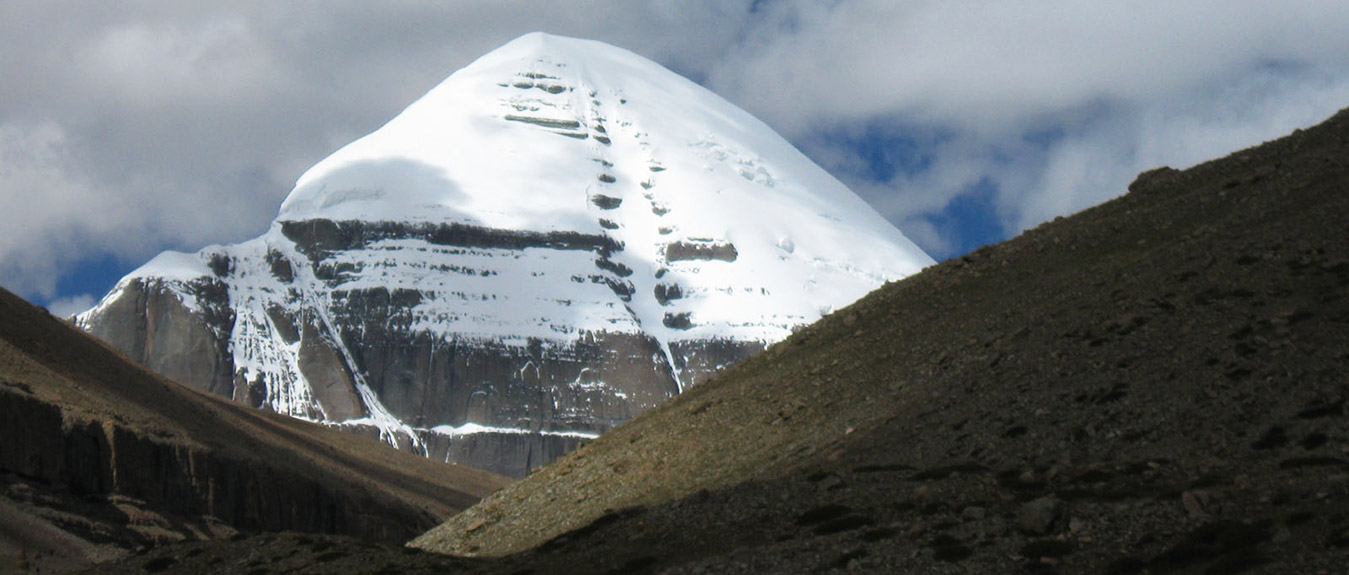
Three hours east over the Dochula pass at 3,100 m, where 108 chortens stand on a rise and the eastern Himalaya fills the skyline on a clear morning. Down into the warm Punakha valley for Chimi Lhakhang, and then Punakha Dzong at the confluence of two rivers, which is the most beautiful building in Bhutan.
- Altitude
- 1,200 m (3,940 ft)−1,120 m
- On foot
- —
- Night in
- Hotel, Punakha
- Meals
- Breakfast, Lunch, Dinner
Back over the pass and west through Wangdue to the Paro valley, stopping where the day suggests: a roadside chorten, a village archery match, a farmhouse. The driving in Bhutan is slow and it is a large part of what you came for.
- Altitude
- 2,235 m (7,330 ft)+1,035 m
- On foot
- —
- Night in
- Hotel, Paro
- Meals
- Breakfast, Lunch, Dinner
The walk everybody comes for: three to four hours up through oak and pine to Taktsang, which clings to a cliff 900 m above the valley floor and is where Guru Rinpoche is said to have flown on the back of a tigress. It is the hardest physical thing on this trip and it is worth every step. Ponies are available for the lower half.
- Altitude
- 3,120 m (10,240 ft) at Taktsang+885 m
- On foot
- 6–7 km, 4–5 hrs
- Night in
- Hotel, Paro
- Meals
- Breakfast, Lunch, Dinner
The morning flight west, with the range on the right-hand side this time. The afternoon is free in Kathmandu for Thamel and for whatever you did not get to on day 2, and in the evening there is a Nepali cultural show and dinner.
- Altitude
- 1,400 m (4,590 ft)−1,720 m
- On foot
- —
- Night in
- Hotel, Kathmandu
- Meals
- Breakfast, Dinner
Five hours south, out of the hills and onto the Terai plain, which is a different country: hot, flat, green and Indian in feel. Chitwan is a UNESCO site and one of the last strongholds of the one-horned rhino. An evening walk by the Rapti river, and a Tharu stick dance after dinner.
- Altitude
- 150 m (490 ft)−1,250 m
- On foot
- —
- Night in
- Lodge, Chitwan
- Meals
- Breakfast, Lunch, Dinner
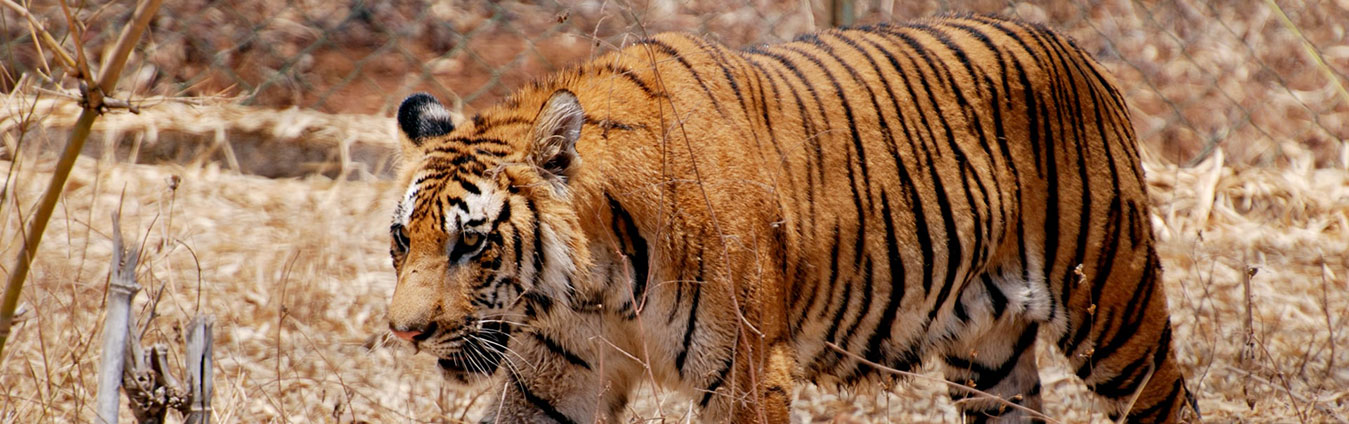
A dugout canoe on the river at first light for gharial and kingfishers, a guided jungle walk, a jeep safari into the park for rhino and, if the day is generous, a sloth bear or a tiger. In between, a Tharu village and the elephant breeding centre.
- Altitude
- 150 m (490 ft)
- On foot
- —
- Night in
- Lodge, Chitwan
- Meals
- Breakfast, Lunch, Dinner
A twenty-five minute flight from Bharatpur, or the five-hour drive if you would rather see the country between. The rest of the day is free for shopping in Patan and Thamel, and there is a farewell dinner in the evening.
- Altitude
- 1,400 m (4,590 ft)+1,250 m
- On foot
- —
- Night in
- Hotel, Kathmandu
- Meals
- Breakfast, Dinner
We take you to the airport. If you are carrying on to a trek, this is where we hand you over to the trekking team.
- Altitude
- —
- On foot
- —
- Night in
- —
- Meals
- Breakfast
What's included
Included in Standard
- Airport transfers & ground transport
- Licensed English-speaking guide
- Accommodation throughout the trip
- All permits & national park fees
- Meals as per the itinerary
Not included
- International flights
- Travel & rescue insurance
- Personal trekking gear
- Tips & personal expenses
- Nepal entry visa (on arrival)
What to bring
For the Tiger's Nest, which is the only walking
- Walking shoes or light boots with grip. The path is stone, dust and 900 m of steps
- Trekking poles if your knees prefer them on descents. Sticks can be borrowed at the bottom
- A small daypack, two litres of water and something to eat
- A warm layer for the top. It is 900 m above the valley and considerably colder
For temples and dzongs
- Long trousers and sleeved tops. Shorts and vests are not acceptable in a dzong and you will be turned away
- Slip-on shoes. You take them off at every temple and you will do that a dozen times
- A hat you can take off, and no hat indoors
- Something smart-ish for the evenings if you want it. Bhutanese hotels are relaxed and the country is not
For the range of temperatures
- Layers. This trip goes from 150 m at Chitwan to 3,120 m at Taktsang in four days
- A light down or fleece jacket for Nagarkot, the Dochula and Bhutanese evenings
- A light waterproof, more for the shoulder seasons than for the dry ones
- Sunglasses and SPF 50. The light at 3,000 m is stronger than the temperature suggests
- Insect repellent and long sleeves for the Chitwan evenings
Papers and money
- Passport valid six months with two blank pages, plus photocopies
- Four passport photographs, for the Bhutan visa and the Nepal one
- Your Bhutan visa clearance letter, printed
- Travel insurance certificate showing medical evacuation cover
- US dollars in cash for the Nepal visa, in clean notes, and a card for everything else
- A universal adaptor. Nepal and Bhutan use different socket types
Four flights, and two airlines that matter
Only two carriers land at Paro and neither codeshares with anybody. That single fact shapes how a Bhutan trip has to be booked.
Two airlines, and no third
Drukair and Bhutan Airlines are the only carriers certified to land at Paro. There is no alliance, no codeshare with a European or American airline, and no way to through-check a bag from London. Whatever gets you to Kathmandu is one ticket and Paro is a second one, which we hold for you as part of the trip.
The visa and the seat are a chicken and an egg
Drukair will not confirm a Paro seat without a visa clearance number, and the Bhutan visa is issued against a confirmed, paid itinerary. Those two are unwound in the right order by the operator, and it is a large part of what an operator is actually for on this particular border. It is also why we ask for passport scans six weeks out rather than a fortnight.
The approach into Paro
Paro sits at 2,235 m in a valley with mountains on both sides and the approach is flown visually, by hand, by a small number of specifically qualified pilots. It is one of the more dramatic landings in commercial aviation. It is also why the airport operates in daylight and good weather only, with no alternate, so a Paro flight can be delayed a day.
Which window seat
Left going Kathmandu to Paro, right coming back. On a clear morning that window has Everest, Makalu, Kanchenjunga and Chomolhari in it, one after another, and the cabin crew will name them. It is worth asking at check-in rather than hoping.
Build a spare day at the end
Everything on this itinerary is weather-dependent at one point or another: the Paro flight, the Nagarkot sunrise and the Bharatpur hop back from Chitwan. None of those will cost you three days the way a Lukla flight can, and a cheap international ticket leaving the morning after day 12 is still the wrong economy.
Where you sleep
11 nights, and what each one is
| Where | Nights | Type | Room | Bathroom |
|---|---|---|---|---|
| Kathmandu | 4 | Three-star hotel | Twin or double | Private, hot water |
| Nagarkot | 1 | Hill resort on the valley rim | Twin or double, mountain-facing | Private, hot water |
| Thimphu | 1 | Three-star hotel | Twin or double | Private, hot water |
| Punakha | 1 | Three-star hotel or a valley lodge | Twin or double | Private, hot water |
| Paro | 2 | Three-star hotel | Twin or double | Private, hot water |
| Chitwan | 2 | Jungle lodge | Twin or double, or a cottage | Private, hot water |
- Kathmandu
- Nights
- 4
- Type
- Three-star hotel
- Room
- Twin or double
- Bathroom
- Private, hot water
- Nagarkot
- Nights
- 1
- Type
- Hill resort on the valley rim
- Room
- Twin or double, mountain-facing
- Bathroom
- Private, hot water
- Thimphu
- Nights
- 1
- Type
- Three-star hotel
- Room
- Twin or double
- Bathroom
- Private, hot water
- Punakha
- Nights
- 1
- Type
- Three-star hotel or a valley lodge
- Room
- Twin or double
- Bathroom
- Private, hot water
- Paro
- Nights
- 2
- Type
- Three-star hotel
- Room
- Twin or double
- Bathroom
- Private, hot water
- Chitwan
- Nights
- 2
- Type
- Jungle lodge
- Room
- Twin or double, or a cottage
- Bathroom
- Private, hot water
Heat, hot water, power and signal
- Heating
- In the Bhutanese hotels, which need it in winter, and in Nagarkot. Kathmandu hotels have it rarely and December mornings there are colder indoors than out.
- Hot shower
- Everywhere on this trip, every night. It is a tour rather than a trek and nothing about it is rough.
- Wifi
- In every hotel, and it is decent in Bhutan. Nothing is blocked there, unlike in Tibet.
- Phone signal
- Ncell and NTC across Nepal. In Bhutan your guide can arrange a local SIM on arrival, and roaming works in the valleys.
- Power
- 230V throughout. Nepal uses type C, D and M; Bhutan uses type D, F and G. One universal adaptor covers both.
- Water
- Filtered water provided in the vehicle in Bhutan and at the Chitwan lodge. Tap water is not drinkable in either country.
- Laundry
- Same-day in the Kathmandu and Paro hotels, charged by the piece.
- Single rooms
- Available throughout on this trip, unlike on our treks, at a supplement. Nothing here is dormitory or twin-share by necessity.
What you eat
| Meal | Time | Usually |
|---|---|---|
| Breakfast | 7:00–8:30 | Buffet in the hotels. In Bhutan expect red rice, eggs, and ema datshi if you want it at that hour |
| Lunch | 12:30–13:30 | In Bhutan a set table at a local restaurant, included. In Nepal, wherever the day has taken you |
| Dinner | 19:00–20:30 | Bhutanese, Nepali, Indian and Continental. The Chitwan lodge does a barbecue and a Tharu dance |
| Tea | constantly | Nepali masala chiya, and Bhutanese suja, which is salted butter tea and is worth trying once |
- Breakfast
- Time
- 7:00–8:30
- Usually
- Buffet in the hotels. In Bhutan expect red rice, eggs, and ema datshi if you want it at that hour
- Lunch
- Time
- 12:30–13:30
- Usually
- In Bhutan a set table at a local restaurant, included. In Nepal, wherever the day has taken you
- Dinner
- Time
- 19:00–20:30
- Usually
- Bhutanese, Nepali, Indian and Continental. The Chitwan lodge does a barbecue and a Tharu dance
- Tea
- Time
- constantly
- Usually
- Nepali masala chiya, and Bhutanese suja, which is salted butter tea and is worth trying once
If you eat differently
| Diet | On this route |
|---|---|
| Vegetarian | Easy in both countries, and Bhutan is unusually good at it. Ema datshi, the national dish, is chillies and cheese and is vegetarian. |
| Vegan | Harder in Bhutan than you would expect, because cheese is in almost everything. Tell us at booking and the guide orders ahead each day. |
| Gluten free | Rice is the staple in both countries, so this is straightforward. Momo, noodles and Tibetan bread are not. |
| Halal | Available in Kathmandu, and there is no certified halal kitchen on the Bhutan route. Vegetarian is the practical answer for those four days. |
| Chilli | Worth saying out loud: Bhutanese food is genuinely, seriously hot, and chillies are treated as a vegetable rather than a spice. Tell the guide on day 4 and it is easily managed. |
- Vegetarian
- On this route
- Easy in both countries, and Bhutan is unusually good at it. Ema datshi, the national dish, is chillies and cheese and is vegetarian.
- Vegan
- On this route
- Harder in Bhutan than you would expect, because cheese is in almost everything. Tell us at booking and the guide orders ahead each day.
- Gluten free
- On this route
- Rice is the staple in both countries, so this is straightforward. Momo, noodles and Tibetan bread are not.
- Halal
- On this route
- Available in Kathmandu, and there is no certified halal kitchen on the Bhutan route. Vegetarian is the practical answer for those four days.
- Chilli
- On this route
- Worth saying out loud: Bhutanese food is genuinely, seriously hot, and chillies are treated as a vegetable rather than a spice. Tell the guide on day 4 and it is easily managed.
What a day is like
A day on the trail
- 7:00Breakfast in the hotel, at a civilised hour. This is not a trek
- 8:30Out with the guide and the driver. In Bhutan the same two people are with you for four days
- 10:00The first dzong, temple or viewpoint of the day
- 12:30Lunch, and in Bhutan it is a set table that has been ordered ahead
- 14:00The afternoon: a second site, a village, a market, or a drive between valleys
- 17:00Back to the hotel. Bhutanese towns are small and an hour's walk covers one
- 19:00Dinner, and the guide talks through tomorrow
- 21:00Bed, or a bar in Thamel on the Kathmandu nights
How hard it is, and getting ready
An easy trip with one properly hard morning in it.
2 of 5- Ten of the twelve days are sightseeing, driving and a jeep safari. No walking beyond a few hours at a time.
- Day 7, the Tiger's Nest, is 900 m of ascent and back at around 3,000 m and takes four to five hours. It is the whole of the physical demand.
- Nothing is slept in above 2,320 m, so altitude is a consideration on one morning and not on the trip.
- The driving in Bhutan is slow and winding rather than long, and it is where people get carsick rather than tired.
- Ponies are available for the lower two-thirds of the Tiger's Nest walk, which makes it accessible to most people who want it.
Twelve weeks, and what to do in each of them
Written for somebody who walks a bit and does not train. If you already run or cycle regularly, start at the eight-week block. Nothing here needs a gym.
- 1
Six weeks out
Walk uphill, once a week
One walk a week with 300 m of real ascent in it, building to two hours. That is genuinely the whole preparation this trip needs, and it is aimed entirely at the Tiger's Nest on day 7.
- 2
Four weeks out
Wear the shoes
Do those walks in the shoes you will bring. You need proper walking shoes or light boots for one morning and comfortable shoes for eleven days, and people arrive with only the second kind.
- 3
Two weeks out
Add a descent
The way down from Taktsang is 900 m of stone steps and switchbacks and it is what people's knees remember, not the climb. One walk that goes down as much as it goes up, with poles if you use them.
- 4
The week before
Paperwork, not fitness
Check that your passport has six months on it and two blank pages, that your Bhutan clearance letter is printed, and that your insurance covers medical evacuation. Anything serious in Bhutan is flown to Bangkok or Delhi.
Month by month
Read this for Bhutan rather than for Nepal. The two are on the same weather system and the Paro flight is the thing the weather actually stops.
| Month | Day in Bhutan | Night in Bhutan | Kathmandu, by day | What it is like | |
|---|---|---|---|---|---|
| January | +12°C | -3°C | +19°C | Good | Cold, bright and empty in both countries. Snow can close the Dochula pass for a day. |
| February | +14°C | -1°C | +21°C | Good | Warming, clear, and still very quiet. Losar, the Bhutanese new year, falls in February or March. |
| March | +18°C | +4°C | +25°C | Best | Rhododendron in the Bhutanese passes and the Paro Tsechu, the biggest festival in the country. |
| April | +21°C | +8°C | +28°C | Best | The best month of the year for this trip. Warm, clear and everything in flower. |
| May | +23°C | +12°C | +30°C | Good | Warm and increasingly humid, with afternoon cloud building. Chitwan starts to get genuinely hot. |
| June | +25°C | +15°C | +30°C | Hard | Monsoon arrives. Paro flights start being delayed and the mountains are behind cloud. |
| July | +26°C | +16°C | +29°C | Hard | Wet in both countries. Green, cheap and quiet, and you will see no Himalaya at all. |
| August | +25°C | +16°C | +29°C | Hard | As July. Leeches on the Tiger's Nest path and a real chance of a delayed Paro flight. |
| September | +23°C | +13°C | +28°C | Good | Clearing through the month, and excellent from about the 20th. Thimphu Tshechu falls here. |
| October | +20°C | +7°C | +26°C | Best | The clearest skies of the year and the busiest month. Book several months ahead. |
| November | +17°C | +2°C | +23°C | Best | Cold, sharp and emptying out. Our own favourite month for this itinerary. |
| December | +13°C | -2°C | +20°C | Good | Cold and very clear, and Chitwan is at its best. Bhutanese hotels are heated and Kathmandu ones often are not. |
- January
- Day in Bhutan
- +12°C
- Night in Bhutan
- -3°C
- Kathmandu, by day
- +19°C
- What it is like
- Cold, bright and empty in both countries. Snow can close the Dochula pass for a day.
Good - February
- Day in Bhutan
- +14°C
- Night in Bhutan
- -1°C
- Kathmandu, by day
- +21°C
- What it is like
- Warming, clear, and still very quiet. Losar, the Bhutanese new year, falls in February or March.
Good - March
- Day in Bhutan
- +18°C
- Night in Bhutan
- +4°C
- Kathmandu, by day
- +25°C
- What it is like
- Rhododendron in the Bhutanese passes and the Paro Tsechu, the biggest festival in the country.
Best - April
- Day in Bhutan
- +21°C
- Night in Bhutan
- +8°C
- Kathmandu, by day
- +28°C
- What it is like
- The best month of the year for this trip. Warm, clear and everything in flower.
Best - May
- Day in Bhutan
- +23°C
- Night in Bhutan
- +12°C
- Kathmandu, by day
- +30°C
- What it is like
- Warm and increasingly humid, with afternoon cloud building. Chitwan starts to get genuinely hot.
Good - June
- Day in Bhutan
- +25°C
- Night in Bhutan
- +15°C
- Kathmandu, by day
- +30°C
- What it is like
- Monsoon arrives. Paro flights start being delayed and the mountains are behind cloud.
Hard - July
- Day in Bhutan
- +26°C
- Night in Bhutan
- +16°C
- Kathmandu, by day
- +29°C
- What it is like
- Wet in both countries. Green, cheap and quiet, and you will see no Himalaya at all.
Hard - August
- Day in Bhutan
- +25°C
- Night in Bhutan
- +16°C
- Kathmandu, by day
- +29°C
- What it is like
- As July. Leeches on the Tiger's Nest path and a real chance of a delayed Paro flight.
Hard - September
- Day in Bhutan
- +23°C
- Night in Bhutan
- +13°C
- Kathmandu, by day
- +28°C
- What it is like
- Clearing through the month, and excellent from about the 20th. Thimphu Tshechu falls here.
Good - October
- Day in Bhutan
- +20°C
- Night in Bhutan
- +7°C
- Kathmandu, by day
- +26°C
- What it is like
- The clearest skies of the year and the busiest month. Book several months ahead.
Best - November
- Day in Bhutan
- +17°C
- Night in Bhutan
- +2°C
- Kathmandu, by day
- +23°C
- What it is like
- Cold, sharp and emptying out. Our own favourite month for this itinerary.
Best - December
- Day in Bhutan
- +13°C
- Night in Bhutan
- -2°C
- Kathmandu, by day
- +20°C
- What it is like
- Cold and very clear, and Chitwan is at its best. Bhutanese hotels are heated and Kathmandu ones often are not.
Good
Averages for Paro and Thimphu, with the Kathmandu daytime figure alongside. The rating tracks the Paro flight as much as the sightseeing.
Who walks with you
Who travels with you
Two separate teams, and they hand over at Paro airport. In Nepal, one of our own guides and a driver, both employed by us in Kathmandu. In Bhutan, a licensed Bhutanese guide and driver, because Bhutanese law requires that guiding be done by a Bhutanese national through a licensed local operator. We work with the same Paro partner on every departure and have done for years, which is the practical answer to what a foreign operator can promise about a country it cannot legally guide in.
What a Bhutanese guide is trained for
More than you expect. Bhutanese guides sit a national certification that covers history, Buddhist iconography, botany and etiquette, and they are re-tested. If you want to know what is painted on a dzong wall, which of the sixteen arhats you are looking at, or why there is a phallus painted on a farmhouse in Punakha, ask. This is the trip in our catalogue where the guiding makes the largest difference to what you actually see.
Tipping
Customary rather than compulsory, and expected of tour groups in both countries now. About $150 to $250 per traveller across the whole trip, split between the two teams, handed over at the end of each leg rather than at the very end. Your Bhutanese guide and driver are tipped together at Paro on day 8.
Walking it responsibly
The fee is the policy
Bhutan's Sustainable Development Fee of $100 a night is not a tourist tax that gets absorbed into general revenue. It funds free healthcare and free education for Bhutanese citizens and the country's forest conservation programme, and it exists to hold visitor numbers down on purpose. Bhutan is the only country in the world that is carbon negative and one of very few with a constitutional requirement to keep 60 per cent forest cover. The quiet you will experience in the Punakha valley is bought by that fee, and it is the reason not to resent it.
Dzongs are working buildings
Every dzong on this itinerary is simultaneously a monastery and a district administrative headquarters, with monks on one side of the courtyard and civil servants on the other. They are not museums. Cover your shoulders and knees, take your hat off, take your shoes off where asked, and do not photograph inside the temple halls unless you are told you may. Walk clockwise around chortens and mani walls.
Chitwan, and how you see the park
This itinerary uses the jeep safari, the dugout canoe and the guided walk, which between them see more wildlife than anything else on offer and put you in the park at the hours the animals are moving. Elephant-back safaris are available at Chitwan and we will arrange one if you ask for it. If you would rather not, say so and nothing is lost: it is not part of the days above.
Where the money goes
A fair account rather than a flattering one. The Bhutan portion, which is around half the price, goes to the Bhutanese government as SDF and to a Bhutanese operator, hotels, guide and driver. The Nepal portion is ours and stays in Kathmandu, Nagarkot and Chitwan. Almost nothing on this trip is paid to anybody outside the two countries you are visiting.
Booking and paying
How to start
Write to us or send a message on WhatsApp with your rough dates and how many of you there are. You will get a reply from somebody who has run this trip. Nothing is owed at that stage.
Bhutan is paid before it is applied for
This is the part that differs from every trek we sell. The Bhutan portion, which is the SDF, the visa fee and the ground arrangements, is paid in full before the visa application is submitted, because that is how the Bhutanese system works. The Nepal portion runs on our normal terms: thirty per cent to hold your dates and the balance on arrival in Kathmandu.
What we need, and when
Passport scans six weeks out, which is earlier than our treks ask for. The Bhutan visa is reviewed within five working days and Drukair will not confirm a Paro seat without the clearance number, so the whole chain starts with your passport page.
Paying
Bank transfer, or card through a secure link. Card payments carry the bank's fee of about 4 per cent, which we show you before you pay. The Nepal balance in Kathmandu can be US dollars, pounds, euros or Nepali rupees.
If you cancel
The Nepal portion follows our usual terms: more than 30 days out the deposit transfers to any other trip with no time limit, and inside 30 days it is retained. The Bhutan portion is different and we would rather be blunt about it. The $40 visa fee is never refunded, and SDF and ground costs already paid to Bhutan are subject to the Bhutanese operator's terms, which tighten sharply inside 30 days. Travel insurance with cancellation cover is worth more on this trip than on a trek.
How far ahead
Six weeks is comfortable and three is possible. A fortnight is not, and it is Bhutan rather than us: the visa takes five working days after a paid booking and the Paro seat comes after that. For October, or for either of the big festivals, three months.
Things you can add
Priced per person, arranged before you travel, and none of them included in the price above.
- in the itinerary
A festival departure
+$200 on the priceParo Tsechu in March or April and Thimphu Tshechu in September or October are the two biggest, and both are several days of masked dance in a dzong courtyard. Dates follow the Bhutanese lunar calendar and hotels book out a year ahead.
- +3 days
Bumthang, the spiritual heartland
from $890East beyond Trongsa to the four valleys of Bumthang, which hold the oldest temples in Bhutan. It is a long drive or a short domestic flight, and it is where Bhutan stops feeling like a day trip from Paro.
- +4 days
The Druk Path trek
from $760Paro to Thimphu over the ridge on foot, four days past high lakes at around 4,000 m, camping. The most accessible trek in Bhutan and a completely different trip from the driving one.
- 1 morning
Everest scenic flight
$220An hour along the range from Kathmandu with a guaranteed window seat. It slots onto day 3 or day 11 and it is the closest most people on this trip get to Everest.
- +3 days
Pokhara and the Annapurnas
from $490West to the lake at Pokhara with the Annapurnas across it, and a short walk up to a viewpoint if you want one. Easily added after Chitwan.
Single rooms throughout
$540A room to yourself for all eleven nights. Unlike our treks, this trip can offer that at every stop.
Other ways to combine these countries
4 versions of this journey. They use the same guides and the same lodges; what changes is the length, the comfort and how much of it you walk.
- Nepal and BhutanYou are hereThe one on this page. Kathmandu valley, four nights in Bhutan, and Chitwan at the end.12 days$3,287
- India, Nepal and BhutanThe same two countries with the Golden Triangle in front of them: Delhi, Agra and Jaipur, then Kathmandu and Paro.18 days$5,487
- Bhutan, Nepal and TibetThree Himalayan cultures in one trip, and three separate visa regimes. The most paperwork we sell.14 days$4,290
- India and NepalThe other neighbour, and a fraction of the price, because India charges $25 for a visa where Bhutan charges $100 a night.12 days$1,297
Photos
A look at the trail, the villages and the mountains.
Reviews
5.0 8 reviews
The trip of a lifetime
Everything was handled for us from the moment we landed. Our guide read the group perfectly, slowed the pace when we needed it, and knew every village along the way. I never once worried about logistics.
Sarah M. AustraliaOctober 2025
Felt looked after the whole way
We travelled as a couple and the small group made all the difference. Comfortable lodges, honest advice about the altitude, and a team who clearly loved the mountains. Booking on our own dates was easy.
James & Kate United KingdomMay 2025
Well organised and genuinely local
You can tell this is run by people from here, not a call centre abroad. The itinerary had proper rest days built in, the food was better than I expected, and the whole thing ran to time.
Daniel R. CanadaMarch 2025
Common questions
21 of them, and they are the ones people actually send us. If yours is not here, ask and we will answer it and add it.
Because it has decided to be. There is a Sustainable Development Fee of $100 per person per night, plus a $40 visa, before a hotel, a meal or a guide. Four nights is $440 a head of government charges on this itinerary. It is national policy under a deliberate high-value, low-volume tourism model, it funds free healthcare and free education for Bhutanese citizens and the forest programme, and it is what keeps the valleys as quiet as you will find them.
One hundred. It was $200 from September 2022, halved to $100 in September 2023, and that reduction has been extended to 31 August 2027. Pages written in between quote all three figures as current, which is why you have seen both.
No. There is no visa on arrival for anybody except Indian, Bangladeshi and Maldivian nationals, the visa is issued only against a paid itinerary, and the fee is charged per night of stay regardless of what you do with the day. A licensed guide is also required beyond the Paro and Thimphu valleys, which this itinerary leaves on day 5.
Children aged 6 to 12 pay half, at $50 a night, and children under 6 pay none. The $40 visa fee applies to everybody.
Considerably simpler and cheaper. No visa: a permit is issued on arrival at Paro or at Phuentsholing on a passport or a voter ID card, and the SDF is the regional rate of INR 1,200 per person per night rather than $100. Bangladeshi and Maldivian nationals are on the same terms.
Because only two airlines land at Paro, Drukair and Bhutan Airlines, and from most of the world the practical gateways are Kathmandu, Delhi, Kolkata, Bangkok and Singapore. Kathmandu is the one with the Himalaya attached to it, so the Bhutan leg sits inside a Nepal trip rather than beside one. The hop is an hour.
Not usefully. Drukair will not confirm a seat without a Bhutan visa clearance number, and the visa is issued against a confirmed, paid itinerary. Those two have to be unwound in the right order, which is a large part of what an operator is for on this particular border.
Six weeks is comfortable, three is possible and a fortnight is not. The constraint is Bhutan rather than us: the visa is reviewed within five working days after a paid booking and the Paro seat comes after that. For October or for either big festival, three months.
Left going Kathmandu to Paro, right coming back. On a clear morning that window has Everest, Makalu, Kanchenjunga and Chomolhari in it one after another, and the cabin crew name them as they pass. Ask at check-in rather than hoping.
Yes, for cloud. Paro is flown visually between mountains with no alternate, so it operates in daylight and good weather only and a flight can slip a day. It is nothing like the Lukla problem in scale, and it is still a reason to book your international ticket home with a clear day after day 12.
One morning. The Tiger's Nest on day 7 is 900 m of ascent and back at around 3,000 m, four to five hours. Everything else is sightseeing, driving, a dugout canoe and a jeep. This is the trip we recommend when a trek is out of the question but the Himalaya is not.
Most people can, and the honest measure is whether you can walk uphill for two hours at home. Ponies carry you for the lower two-thirds, to the cafeteria viewpoint, and the last section is stone steps that everybody walks. Plenty of people go as far as the viewpoint, look across at the monastery and turn round, and that is a perfectly good day.
Very unlikely. Nothing on this trip is slept in above 2,320 m and the highest you go is 3,120 m for an hour on day 7. That is why there is no altitude protocol on this page, unlike our trek pages, and it would be dishonest to put one here.
Both, and it is one of the two trips in our catalogue we say that about. Every night has a bed, a bathroom and hot water, the driving days are short, and the one hard morning is optional. We have run this for families and for travellers in their late seventies.
Genuinely, seriously hot. Chillies are treated as a vegetable rather than a seasoning, and the national dish, ema datshi, is chillies and cheese. Say something to your guide on day 4 and it is easily managed; hotel kitchens are used to the request. It is worth trying the real thing once.
Long trousers and sleeved tops, shoulders and knees covered. Shorts and vests will get you turned away at the gate of a dzong, which is a working government building as well as a monastery. Slip-on shoes are worth having because you take them off at every temple.
No. That is Tibet. Bhutan has ordinary hotel wifi and nothing is blocked, and your guide can arrange a local SIM on arrival.
Not on the two days in this itinerary, which use the jeep safari, the dugout canoe and the guided walk. Elephant-back safaris are available at Chitwan and we will arrange one on request. Plenty of travellers ask us not to, and that is the default here rather than a position we are taking for you.
April, October and November. April for the rhododendron in the Bhutanese passes and October for the clearest skies of the year, though October books out months ahead. November is our own favourite: cold, sharp and emptying out. Avoid June to August, when the Paro flight is unreliable and you will see no mountains at all.
If masked dance in a dzong courtyard is the point, yes, and the Paro Tsechu in spring and the Thimphu Tshechu in autumn are the two biggest. Dates follow the Bhutanese lunar calendar and move each year, and hotels in those weeks are booked a year ahead, so it has to be planned around rather than added.
Bumthang. Three extra days east beyond Trongsa to the four valleys that hold the oldest temples in the country, and the point at which Bhutan stops feeling like a long weekend from Paro. If you would rather walk, the four-day Druk Path from Paro to Thimphu is the most accessible trek in Bhutan.
You may also like
Not found what you were looking for?
Search every word on this page, or ask somebody who has walked the route.
Standard, 12 days
$3,287 per person