



Cambodia
Angkor, and the Mekong towns around it.
About Cambodia
Angkor is the reason to come and three days is the least it deserves. We run it inside multi-country South East Asia itineraries alongside Vietnam, Laos and Myanmar rather than as a trip on its own.
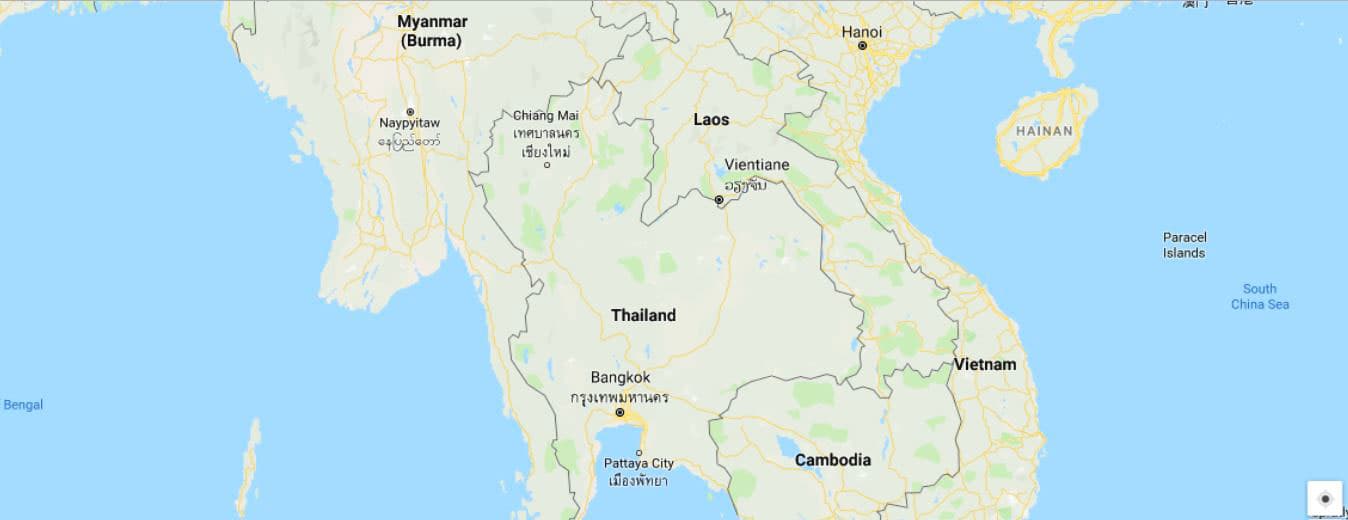
Cambodia officially known as the Kingdom of Cambodia and once known as the Khmer Empire, is a country located in the southern portion of the Indochina Peninsula in Southeast Asia. Its total landmass is 181,035 square kilometres (69,898 sq mi), bordered by Thailand to the northwest, Laos to the northeast, Vietnam to the east, and the Gulf of Thailand to the southwest.
With a population of over 15 million, Cambodia is the 69th most populous country in the world. The official religion is Theravada Buddhism, practiced by approximately 95 percent of the population. The country’s minority groups include Vietnamese, Chinese, Chams, and 30 hill tribes.The capital and largest city is Phnom Penh, the political, economic, and cultural center of Cambodia. The kingdom is a constitutional monarchy with Norodom Sihamoni, a monarch chosen by the Royal Throne Council, as head of state. The head of government is Hun Sen, who is currently the longest serving non-royal leader in South East Asia and has ruled Cambodia for over 25 years.
Cambodia’s ancient name is “Kambuja” .In 802 AD, Jayavarman II declared himself “King” and marked the beginning of the Khmer Empire which flourished for over 600 years, allowing successive kings to dominate much of Southeast Asia and accumulate immense power and wealth. The Indianized kingdom built monumental temples including Angkor Wat, now a World Heritage Site, and facilitated the spread of first Hinduism, then Buddhism to much of Southeast Asia. After the fall of Angkor to Ayutthaya in the 15th century, Cambodia was then ruled as a vassal between its neighbors.
Cambodia became a protectorate of France in 1863, and gained independence in 1953. The Vietnam War extended into Cambodia with the US bombing of Cambodia from 1969 until 1973. Following the Cambodian coup of 1970, the deposed king gave his support to his former enemies, the Khmer Rouge. The Khmer Rouge emerged as a major power, taking Phnom Penh in 1975 and later carrying out the Cambodian Genocide from 1975 until 1979, when they were ousted by Vietnam and the Vietnamese backed People’s Republic of Kampuchea in the Cambodian - Vietnamese War (1979-1991). Following the 1991 Paris Peace Accords Cambodia was governed briefly by a United Nations mission (1992-1993). The UN withdrew after holding elections in which around 90 percent of the registered voters cast ballots. The 1997 coup placed power solely in the hands of Prime Minister Hun Sen and the Cambodian People’s Party, who remains in power as of 2015.
Our trips in Cambodia
Still not sure the paperwork works?
Tell us your passport and your dates and we will tell you plainly whether the trip is possible, before you have paid anything.
Ask us